
Icelanders Reject EU Reentry in Close Vote Over Fishing Fears
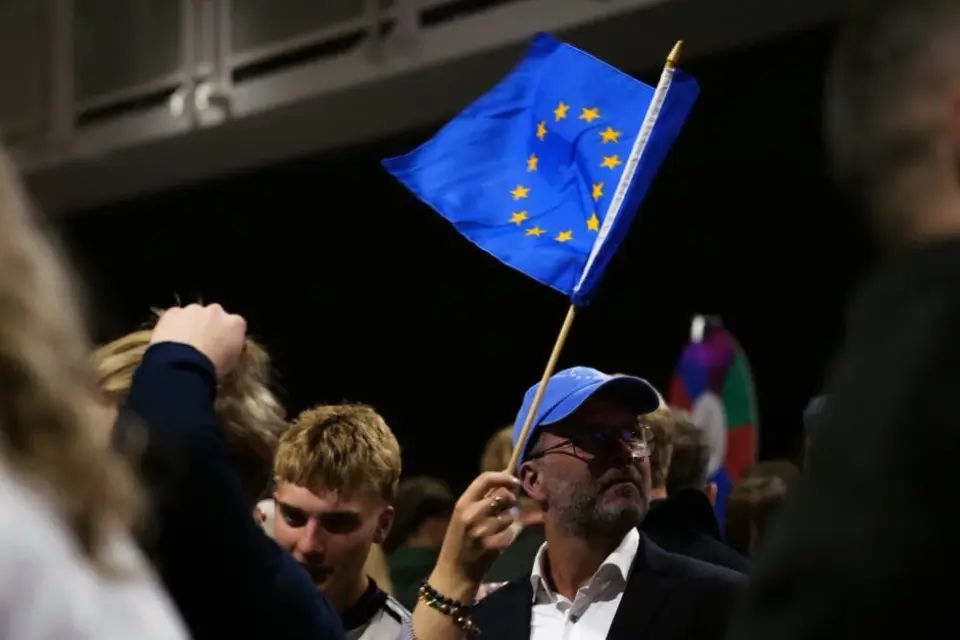
Icelandic voters rejected a proposal to resume European Union accession talks by a narrow margin of 52.8% to 47.2% in a referendum held on August 29, 2026. Prime Minister Kristrún Frostadóttir acknowledged the defeat, stating the issue would not advance under her government. The result was driven by concerns over sovereignty and control of the fishing industry, which accounts for a significant portion of exports, outweighing security arguments related to Arctic tensions and U.S. threats toward Greenland.
Key points
- 52.8% of voters rejected resuming EU talks, with 47.2% in favor, according to national broadcaster RUV.
- Turnout reached 82.5%, with only central Reykjavik constituencies voting in favor; rural areas opposed membership.
- Prime Minister Frostadóttir confirmed Iceland would focus on strengthening ties via the European Economic Area rather than full membership.
- Opponents argued EU rules would compromise sovereignty over fishing waters, a sector contributing 15% to GDP and 40% of exports.
- Supporters cited security benefits amid U.S. President Donald Trump’s threats regarding Greenland and Arctic instability.
Background
Iceland first applied to join the EU in 2009 following a financial crisis but suspended negotiations in 2013 under a eurosceptic government. The current referendum was brought forward by the center-left coalition after Trump renewed threats toward Greenland earlier in 2026. Previous archive coverage of unrelated referendums in Missouri and diplomatic impasses in Iran provides no direct background for this specific Icelandic decision.
How outlets are covering it
AP and CNN reported the result as a clear rejection of the government’s 'now or never' strategy, emphasizing the shift in public opinion from earlier polls. CNBC highlighted the economic data, noting that while fishing’s share of GDP has declined, it remains a critical export sector, and argued that the 'No' campaign successfully tapped into national identity. The Guardian focused on the divisive nature of the campaign, noting misinformation and funding disparities, while also reporting reactions from anti-EU figures like Marine Le Pen and Nigel Farage. All sources agreed that the European Economic Area agreement remains the primary framework for Iceland’s relationship with the EU.
Why it matters
The result signals a rejection of deeper EU integration in the Arctic, potentially affecting NATO security dynamics and EU enlargement strategies. It underscores the priority of national sovereignty and resource control over geopolitical security concerns for small Nordic nations, influencing future EU relations with non-member states like Norway and Liechtenstein.
What to watch
Prime Minister Frostadóttir plans to contact Norway’s prime minister to discuss strengthening EEA ties. The government will decide whether to formally withdraw the 2009 EU membership application via parliamentary resolution. Brussels has expressed respect for the democratic choice, maintaining Iceland as a close partner.
- Icelandic voters reject a proposal to restart negotiations to join the European Union AP News
- Iceland rejects EU membership plan in referendum held under the shadow of Trump’s Greenland threats CNN
- Icelanders reject reopening talks to join the EU despite Trump's Greenland threats CNBC
- Iceland Votes to Steer Clear of European Union Talks The New York Times
- Iceland rejects EU accession talks in referendum, reports say The Guardian
Want the full story? Read the original reporting
Read on AP News