
Israel kills Hamas Rafah commander two months after predecessor's death
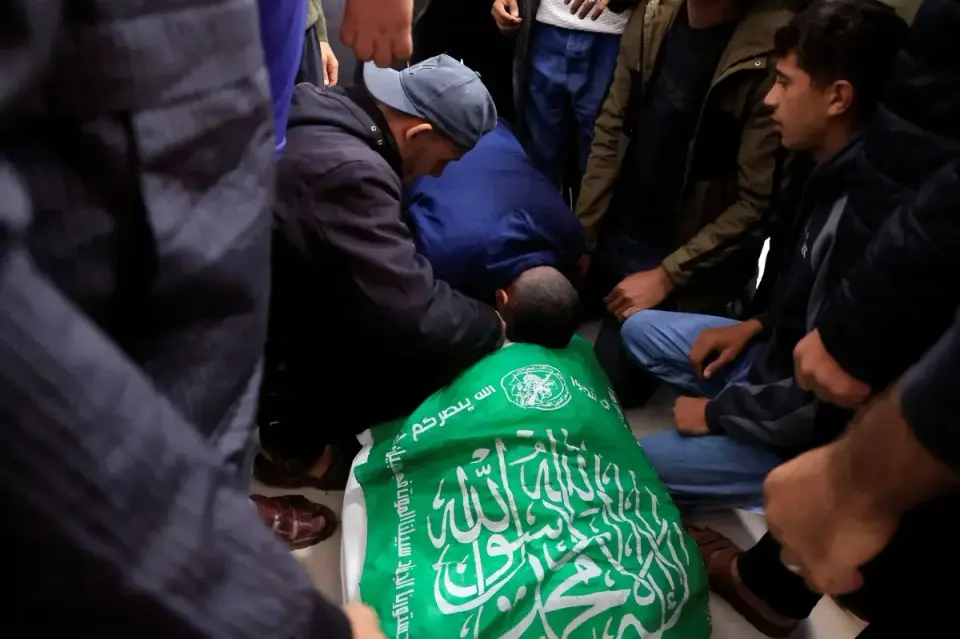
Israeli forces killed Samir Mahmoud Abu Younis, the commander of Hamas’s Rafah Brigade, in an airstrike in southern Gaza on November 15. Both Israel and Hamas confirmed his death, noting he was a key planner of the October 7, 2023, attack. This strike occurred just two months after his predecessor was killed, highlighting continued Israeli operations despite a US-brokered ceasefire. The incident follows a recent strike on Nasser Hospital that killed six people, including a doctor and a child, and occurs amid a stalled peace process and worsening humanitarian conditions in Gaza.
Key points
- Samir Mahmoud Abu Younis, commander of Hamas’s Rafah Brigade, was killed in an Israeli airstrike in southern Gaza on November 15, 2026.
- Abu Younis had joined the Izzadin al-Qassam Brigades in 1991 and was identified by both sides as a key planner of the October 7, 2023, attack.
- He replaced Nael Abu Obeid, who was killed by Israeli forces on September 15, 2026, marking the third Rafah Brigade commander killed in less than a year.
- The strike occurred in the Al-Mawasi area, a humanitarian zone housing displaced people, causing a fire and injuries.
- The killing follows a recent Israeli strike on Nasser Hospital in Khan Younis that killed six people, including a doctor and a 13-year-old boy, and injured 40 others.
- Despite a US-brokered ceasefire in place since October 2025, Israel continues to target Hamas commanders, while the Board of Peace remains unable to implement its 20-point peace plan.
Background
This development follows a pattern of Israeli strikes targeting Hamas leadership in Gaza since the US-brokered ceasefire took effect in October 2025. Previous archive coverage noted that Abu Younis’s predecessor, Nael Abu Obeid, was killed in September 2026, and Mohammad Sabaneh, another Rafah Brigade commander, was killed in May 2025. The ongoing conflict has resulted in over 1,600 deaths in Gaza since the ceasefire began, with humanitarian conditions deteriorating due to winter rains and restricted access to heavy equipment for cleanup and reconstruction.
How outlets are covering it
The New York Post emphasized Abu Younis’s alleged plans to 'carry out terror attacks' and his role in directing attacks against Israeli civilians and soldiers. CNN focused on the broader context of the stalled ceasefire and the Board of Peace’s inability to implement its 20-point plan, noting that over 1,600 people have been killed in Gaza since the ceasefire began. The Times of Israel highlighted the pattern of Israeli strikes targeting Hamas commanders despite the ceasefire and the ongoing humanitarian crisis, including the recent strike on Nasser Hospital. All sources confirmed Abu Younis’s death and his role as a key planner of the October 7, 2023, attack, but differed in their emphasis on the immediate impact and the broader implications for the peace process.
Why it matters
The killing of Abu Younis underscores the continued volatility in Gaza despite a nominal ceasefire, highlighting the challenges in implementing a lasting peace. It raises concerns about the safety of civilians in humanitarian zones and the effectiveness of international efforts to stabilize the region. The incident also reflects the ongoing humanitarian crisis in Gaza, with worsening conditions due to winter rains and restricted access to essential resources.
What to watch
Israel is expected to continue targeting Hamas commanders in Gaza, as stated by Defense Minister Israel Katz, who said the offensive policy will continue until Gaza is demilitarized. The Board of Peace may attempt to resume discussions on the 20-point peace plan, but progress remains uncertain. Humanitarian organizations will likely continue to advocate for improved conditions in Gaza, including access to heavy equipment for cleanup and reconstruction. The international community may monitor the situation closely, particularly given the recent strikes on hospitals and humanitarian zones.
- Israel kills top Hamas commander who had plans to ‘carry out terror attacks’ New York Post
- Israel kills senior Hamas commander in Gaza two months after killing his predecessor as ceasefire stagnates CNN
- Senior Hamas commander killed in Israeli strike in Gaza Reuters
- Daily Briefing Nov. 16 – IDF strikes head of Hamas’s Rafah Brigade, key planner of Oct. 7 The Times of Israel
- Israeli strike in Gaza kills senior Hamas commander The Hill
Want the full story? Read the original reporting
Read on New York Post