
Johannesburg Chef Sanza Uses Immigrant Cuisine to Counter Rising Xenophobia
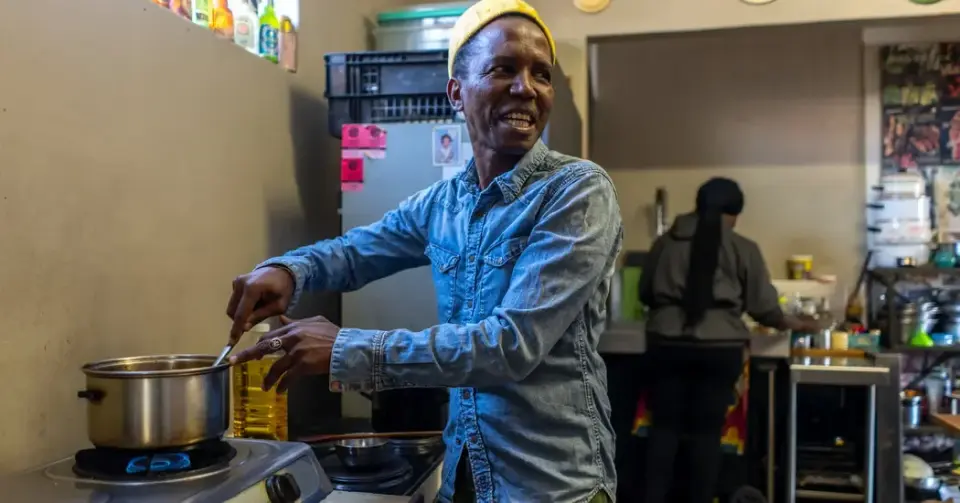
Sandile Tshabalala, known as Sanza, is using his culinary platform to challenge anti-immigrant sentiment in South Africa. By blending traditional South African dishes with ingredients and techniques from immigrant-run restaurants, he aims to humanize foreign communities amid a surge in xenophobic violence. His popular Yeoville Dinner Club serves as a space for cultural exchange, directly opposing the hostile political climate and street protests targeting foreigners.
Key points
- Sandile Tshabalala, a 51-year-old self-taught chef, operates the Yeoville Dinner Club in Johannesburg, serving family-style meals that highlight immigrant cuisines from across Africa and beyond.
- The chef actively incorporates dishes from immigrant-run establishments, such as Pakistani nihari and Malawian stews, into his menu to foster cross-cultural understanding.
- This initiative occurs against a backdrop of severe anti-migrant violence, including recent riots in Soweto and Durban triggered by a Constitutional Court ruling on asylum applications.
- Sanza’s approach involves visiting and collaborating with cooks from Zimbabwe, Malawi, and Congo, using food as a tool to counter narratives that immigrants drain resources and commit crimes.
- Born in Eswatini and raised in Soweto, Tshabalala was influenced by a freedom-fighter uncle who taught him Pan-Africanism, shaping his current advocacy for internationalism.
Background
Recent months in South Africa have seen a sharp escalation in xenophobic tensions, culminating in violent protests in October 2026. These riots, which resulted in looted shops and torched vehicles, were sparked by public anger over a July Constitutional Court ruling that allowed irregular migrants to apply for asylum. While the government blamed disinformation for the unrest, surveys indicate a growing hostility toward immigrants among the general population. Sanza’s culinary project stands in direct contrast to this political and social climate, offering a grassroots counter-narrative through shared dining experiences.
Why it matters
In a nation grappling with deepening social divisions and political polarization over immigration, Sanza’s work highlights the potential of cultural exchange to mitigate conflict. By normalizing the presence and contributions of immigrants through food, his efforts challenge the dehumanizing rhetoric that has fueled recent violence, offering a tangible example of how everyday interactions can counter systemic xenophobia.
What to watch
As anti-migrant sentiment continues to influence political discourse and street violence, Sanza’s dinner club may face increased scrutiny or hostility. However, his model of integrating immigrant culinary traditions into mainstream South African dining could inspire similar grassroots initiatives aimed at fostering social cohesion in other polarized regions.
Want the full story? Read the original reporting
Read on The New York Times