
France Escalates Crackdown with Curfews and Harsh Sentences as Riots Expose Fiscal Crisis
French authorities are imposing targeted nighttime curfews and demanding severe prison sentences for looters following a weekend of historic riots. President Macron has secured additional diesel supplies from the Gulf to ease energy costs, while the government faces intense pressure to restore order and address deepening fiscal instability.
Key points
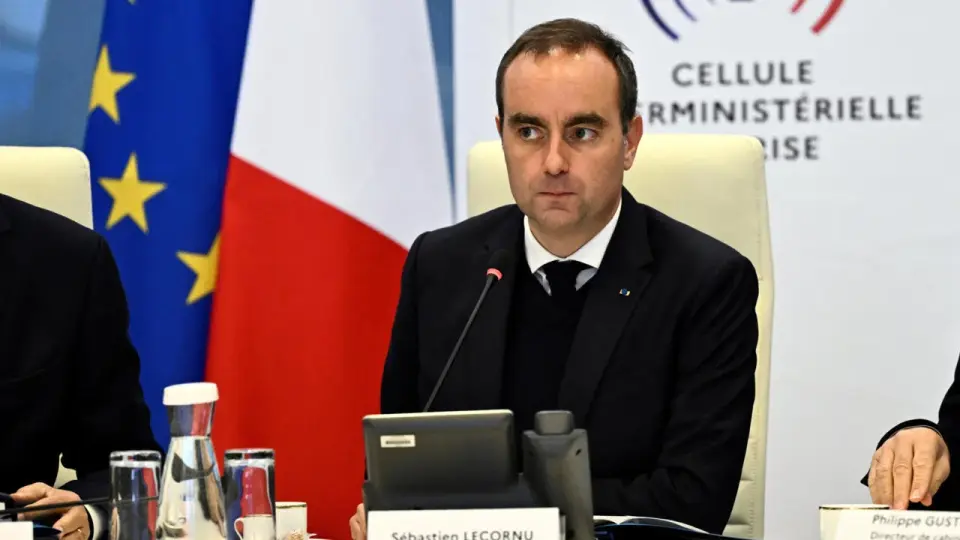
- Prime Minister Sebastien Lecornu confirmed that targeted curfews in Paris, Lyon, and other cities helped maintain peace overnight, with new restrictions planned for Tuesday.
- Justice Minister Gerald Darmanin reported that 149 individuals are in pre-trial detention and approximately 2,500 remain in custody for questioning, with some first-time offenders receiving 10-month prison sentences.
- President Emmanuel Macron secured an additional 200,000 tonnes of diesel per month from the UAE and Bahrain to mitigate soaring fuel prices that triggered the unrest.
- Interior Minister Laurent Nunez offered his resignation after the violence, but Macron refused it, ordering a review of police planning failures and new tactics.
- The unrest, which began with student protests over education conditions, escalated into nationwide looting and arson, damaging at least 3,000 businesses and threatening the tourism industry.
Background
The current crisis follows a series of student strikes that began in late September over poor school conditions and cost-of-living issues. Earlier reports indicated that the violence resulted in hundreds of millions of euros in damage and over 2,400 arrests, with similar protests emerging in other European countries. The current escalation marks a significant shift from peaceful demonstrations to widespread disorder, prompting a hardline government response.
How outlets are covering it
France 24 emphasizes the government's focus on immediate security measures, such as curfews and harsh judicial sentences, alongside Macron's diplomatic efforts to secure fuel supplies. The BBC highlights the perspective of local police unions, who described the weekend as 'apocalyptic' and blamed far-left agitators for provoking looting, while also noting concerns about police tactics. CNN frames the riots as a symptom of a broader fiscal crisis, noting that France's high public debt and budget deficits are exacerbated by rising energy costs, a situation that contrasts with the US economy's resilience due to its reserve currency status. The New York Times provides an opinion perspective, arguing that the unrest signals the end of a 'French fantasy' regarding social welfare and highlights deep-seated frustrations over wealth disparity and government paralysis.
Why it matters
The unrest exposes the fragility of France's social contract and fiscal stability, with rising energy costs and public debt threatening economic contagion in Europe. The government's response, including curfews and harsh sentences, aims to restore order but risks deepening political divisions ahead of the 2027 presidential election, potentially benefiting far-right parties.
What to watch
Prime Minister Lecornu is scheduled to hold talks with political party leaders on Thursday to discuss security during the presidential campaign. Local authorities may impose additional curfews on Tuesday night, and further demonstrations are planned for the weekend. The government is also expected to announce new policing tactics and support measures for businesses affected by the unrest.
- Live: France to impose more curfews as government seeks to regain control after riots and looting France 24
- France’s crisis sounds familiar. Is America next? CNN
- Marseille braces for more unrest after protests give way to 'apocalyptic' disorder BBC
- What’s Behind the Protests in France and What Happens Next WSJ
- Opinion | The French Fantasy Is Coming to an End The New York Times
Want the full story? Read the original reporting
Read on France 24