
Nepal marks 13-day mourning period as rescue teams continue tunnel searches
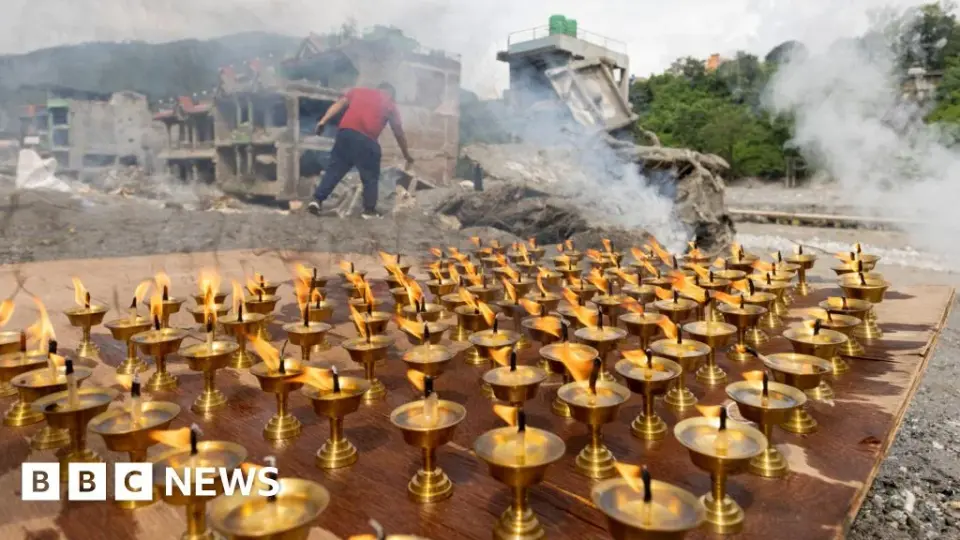
Nepal observed a national day of mourning on Monday to mark the 13th day since the August 26 flash floods, which killed at least 1,287 people and left over 5,000 missing. While flags were flown at half-mast and candlelight vigils were held, government programs were scaled back as rescue operations continue. The disaster, likely triggered by a glacial collapse, has devastated hydropower infrastructure, with hundreds of workers still missing in tunnels. The UN has launched a $50 million appeal for aid, warning of cholera risks and sanitation challenges for over 84,000 affected people.
Key points
- Nepal held a national day of mourning on Monday, the 13th day since the August 26 flash floods, with flags at half-mast and candlelight vigils.
- At least 1,287 people are confirmed dead, and over 5,000 remain missing in Nepal, with 31 dead and 531 missing in Tibet.
- Rescue efforts focus on 12 hydropower projects, where about 900 workers are missing and roughly 500 are believed trapped in tunnels.
- The UN launched a $50 million appeal to aid over 84,000 people, warning of cholera risks and sanitation issues.
- Nepal's president toured devastated areas, and rescue teams continue operations on the ground, by air, and in tunnels.
Background
The flash floods, triggered by a glacial collapse on August 26, devastated villages along the Nepal-Tibet border. Earlier coverage noted mass burials and symbolic cremations for missing relatives, as well as international aid pledges. The disaster has highlighted Nepal's reliance on hydropower and the risks of climate change.
How outlets are covering it
BBC and Euronews emphasize the ongoing rescue efforts and the scale of the disaster, noting the focus on hydropower tunnels. Al Jazeera highlights the UN's appeal for aid and the risk of cholera, while also mentioning Nepal's climate compensation claim. All sources agree on the death toll and the number of missing, but differ in emphasis: BBC and Euronews focus on rescue operations, while Al Jazeera focuses on international aid and climate responsibility.
Why it matters
The disaster underscores the vulnerability of Nepal to climate change and the risks of relying heavily on hydropower. The ongoing rescue operations and international aid efforts highlight the global response to the crisis, while the UN's warning of cholera risks underscores the long-term humanitarian challenges.
What to watch
Rescue teams will continue operations in hydropower tunnels and other areas, while the UN and international partners will provide aid to affected communities. Nepal may pursue climate compensation claims, and the government will likely focus on recovery and rebuilding efforts.
- Nepal holds national day of mourning for victims of flash flood disaster BBC
- Photos: UN urges global aid after China, Nepal floods kill over 1,300 Al Jazeera
- Nepal holds a day of mourning after floods kill at least 1,300 people AP News
- Nepal holds a day of mourning after flash floods kill more than 1,300 euronews.com
- 'The health system in Nepal is not prepared for this' NPR
Want the full story? Read the original reporting
Read on BBC