Tag

Hydropower

All articles tagged with #hydropower

Nepal marks 13-day mourning period as rescue teams continue tunnel searches
world2 months ago

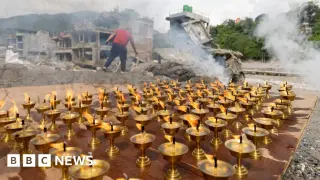
Nepal marks 13-day mourning period as rescue teams continue tunnel searches

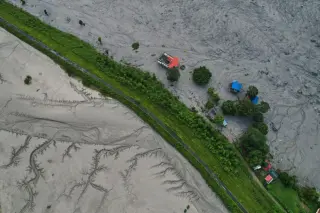
Nepal observed a national day of mourning on Monday to mark the 13th day since the August 26 flash floods, which killed at least 1,287 people and left over 5,000 missing. While flags were flown at half-mast and candlelight vigils were held, government programs were scaled back as rescue operations continue. The disaster, likely triggered by a glacial collapse, has devastated hydropower infrastructure, with hundreds of workers still missing in tunnels. The UN has launched a $50 million appeal for aid, warning of cholera risks and sanitation challenges for over 84,000 affected people.

Nepal's Hydropower Dependence Exposed by Catastrophic Floods
environment2 months ago

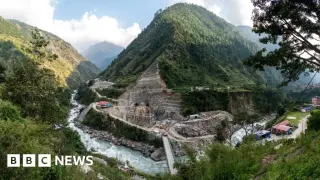
Nepal's Hydropower Dependence Exposed by Catastrophic Floods

Catastrophic flash floods in Nepal, triggered by a glacial collapse, have killed over 1,300 people and destroyed 12 hydropower plants, wiping out more than 10% of the nation's power generation capacity. The disaster has exposed the severe risks of Nepal's near-total reliance on hydropower, prompting calls to diversify into solar and wind energy and rethink infrastructure design.

Two Workers Survive Nine Days in Nepal Flood-Buried Tunnel
world2 months ago

Two Workers Survive Nine Days in Nepal Flood-Buried Tunnel

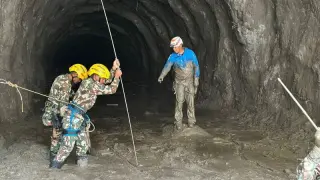
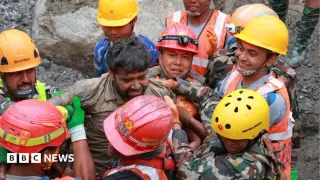
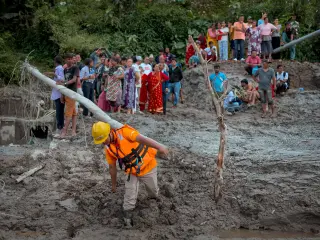
Two workers were rescued alive from a hydropower tunnel in Nepal nine days after a glacial collapse triggered catastrophic floods. The survivors, Sanjay Sah and Kabir Maharjan, were pulled from 170 meters underground at the Upper Trishuli 3A site. While the death toll exceeds 1,300, thousands remain missing, and rescue teams continue searching for others trapped in tunnels.

Nepal rescues two workers from flooded hydropower tunnel nine days after disaster
world2 months ago

Nepal rescues two workers from flooded hydropower tunnel nine days after disaster

Two workers were rescued alive from the Trishuli 3A hydropower tunnel in Nepal nine days after flash floods buried the site. The men, Sanjay Shah and Kabir Maharjan, were pulled from a depth of 170 meters and flown to Kathmandu. While over 1,200 people have died and 5,000 remain missing, rescue efforts continue in tunnels where air pockets may have allowed survival.

Two Survivors Pulled Alive from Nepal Tunnel Nine Days After Glacier Flood
world2 months ago

Two Survivors Pulled Alive from Nepal Tunnel Nine Days After Glacier Flood

Two workers, Sanjaya Shah and Kabir Maharjan, were rescued alive from the Trishuli 3A hydropower tunnel nine days after a flash flood killed over 1,200 people. Rescuers pumped air into the tunnel and heard voices before extracting the men, who were airlifted to Kathmandu hospitals. While one survivor is in critical condition, the other is stable. Officials report that approximately 500 workers remain trapped in tunnels across 12 hydropower projects, with rescue efforts continuing despite severe debris blockages.

Nepal’s Hydropower Crisis Exposes the Human Cost of Green Energy
global-affairs2 months ago

Nepal’s Hydropower Crisis Exposes the Human Cost of Green Energy

A glacial collapse in Nepal on August 26, 2026, triggered catastrophic floods that killed over 1,000 people and left 4,500 missing. The disaster has exposed the severe risks faced by hydropower workers in the Himalayas, with approximately 900 laborers still unaccounted for in tunnels. While Nepal seeks international climate compensation, the event highlights the unequal distribution of risks in the global clean energy transition, where vulnerable communities bear the physical dangers of infrastructure built for wealthier nations.

Nepal Floods Expose Critical Vulnerabilities in Himalayan Hydropower
environment2 months ago

Nepal Floods Expose Critical Vulnerabilities in Himalayan Hydropower

Recent catastrophic floods in Nepal have highlighted severe risks to the country's hydropower infrastructure, which is increasingly threatened by climate change. The disaster, triggered by a glacier collapse and subsequent debris flows, has damaged facilities and raised concerns about the safety of energy projects located in high-risk zones. Experts warn that warming temperatures are destabilizing glaciers and permafrost, making such events more frequent and dangerous for the region's energy sector.

Nepal Tunnel Rescue Stalls as Debris Blocks Access to Trapped Workers
world2 months ago

Nepal Tunnel Rescue Stalls as Debris Blocks Access to Trapped Workers

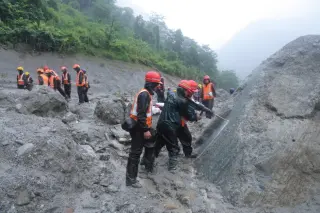
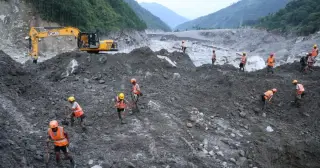
Rescue efforts in Nepal have stalled as debris blocks access to hydropower tunnels where hundreds of workers remain trapped. Five days after a glacial collapse triggered catastrophic floods, over 900 people have died and nearly 5,000 are missing across Nepal and Tibet. International teams from China and India are assisting, but weather and terrain continue to hinder operations.

Decompression, not blades, is the primary killer of salmon in Columbia River dams
science3 months ago

Decompression, not blades, is the primary killer of salmon in Columbia River dams

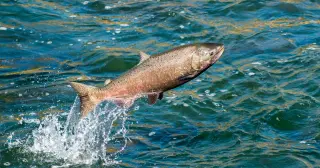
Research from the Pacific Northwest National Laboratory confirms that rapid pressure drops, rather than turbine blade strikes, cause most deaths in young salmon passing through Columbia River dams. By using robotic 'Sensor Fish' to map pressure changes and testing 5,767 juvenile Chinook in controlled chambers, scientists identified swim bladder rupture and gas embolisms as the lethal mechanism. This finding has led to the development of 'fish-friendly' turbine designs that mitigate decompression, significantly improving survival rates for migrating smolts.

Lake Powell hits record low, nearing critical hydropower threshold
energy-and-environment3 months ago

Lake Powell hits record low, nearing critical hydropower threshold

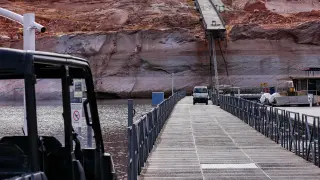
Lake Powell, the second-largest reservoir in the U.S., has reached a record-low water level of 3,519.8 feet, surpassing the previous low set in April 2023. This decline, which is part of a broader crisis affecting the Colorado River basin, threatens hydropower generation and water supplies for millions. The U.S. Bureau of Reclamation projects the level could drop further by March 2027, approaching the minimum threshold required for electricity production. Concurrently, Lake Mead, the nation's largest reservoir, has also hit a record low, dropping over 23 feet since the start of the year. These developments highlight the severe impact of a 25-year drought and heavy water usage on the region's infrastructure.

Lake Powell Hits Record Low, Threatening Western Hydropower and Water Supply
environment3 months ago

Lake Powell Hits Record Low, Threatening Western Hydropower and Water Supply

Lake Powell, the second-largest reservoir in the United States, has dropped to a record low of 3,519.91 feet, signaling a deepening crisis in the Colorado River basin. This decline threatens hydropower generation for nearly 500,000 households and water supplies for 40 million people across seven states. While Lake Mead also recently hit a record low, experts warn that even a wet winter will not reverse long-term drought trends driven by climate change and overuse.

Blade Geometry Shifts Hydropower Fish Survival from 42% to Nearly 100%
energy3 months ago

Blade Geometry Shifts Hydropower Fish Survival from 42% to Nearly 100%

A study by UC Davis and Natel Energy found that altering hydropower turbine blade shapes, rather than adding bypasses, drastically improved fish survival. In tests with juvenile white sturgeon, a conventional runner killed 22-58% of fish, while a reshaped runner achieved 95.6-100% survival at similar speeds. The Department of Energy has approved field tests using live eels at an operating plant in New Hampshire.