
Families in China Hunt for Missing Loved Ones Amid Tibet Flood Silence
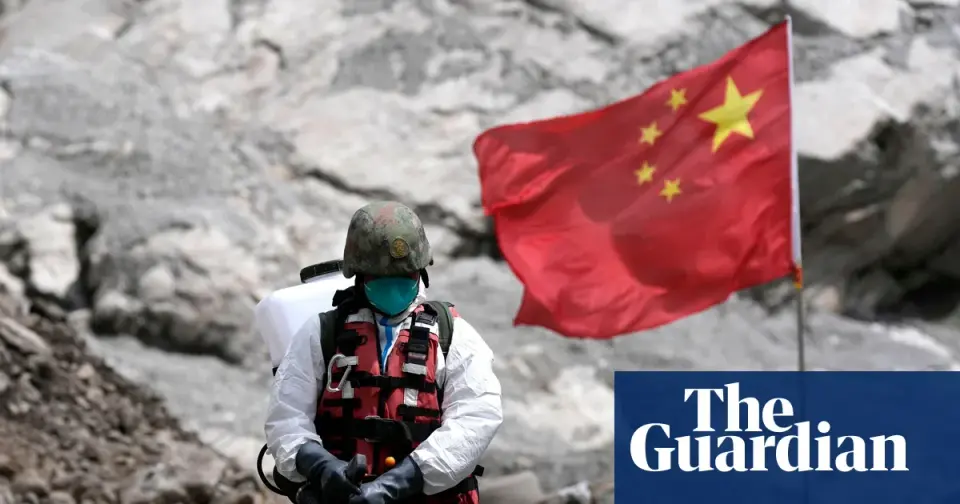
One week after a glacier collapse triggered catastrophic floods on the Nepal-Tibet border, families in China are struggling to find information about missing relatives. While Chinese authorities report 21 deaths and 541 missing on their side, including 261 foreigners, Tibetan advocacy groups allege severe information suppression. Families are turning to social media and foreign embassies for updates, as rescue efforts face logistical hurdles and official narratives focus heavily on state-led relief operations.
Key points
- A glacier collapse on August 26 triggered flash floods, killing over 1,200 in Nepal and 21 in China, with 541 missing in Tibet.
- Chinese authorities report 261 missing foreigners from 23 countries, including 104 Nepalis and 49 Indians, but families report difficulty getting official updates.
- Tibetan advocacy groups claim information on the Tibetan side is suppressed, with 10 people punished for spreading 'false information' about the disaster scale.
- Families are relying on social media, Nepalese sources, and foreign embassies to locate missing relatives, as official channels remain opaque.
- Rescue efforts have stalled in some areas, with relatives requesting permission to send drones or helicopters to search for the missing.
Background
The disaster began on August 26, 2026, when a glacier collapse triggered flash floods along the Nepal-Tibet border, destroying villages and infrastructure. Initial reports indicated over 1,200 deaths in Nepal and hundreds missing in Tibet, with rescue efforts hampered by severed roads and rugged terrain. The Gyirong border crossing, a key trade route, was severely impacted, with many workers and officials missing. International aid, including from the US, was pledged, but access and information flow remained restricted.
How outlets are covering it
The Guardian and Tibetan advocacy groups emphasize the lack of transparency and information suppression in Tibet, with families turning to social media and foreign sources for updates. The New York Times highlights the official Chinese figures, including 261 missing foreigners, but notes the limited details released. Sixth Tone provides a human perspective, focusing on the personal stories of those affected and the logistical challenges of rescue efforts, while also noting the economic importance of the Gyirong Port. The outlets differ in their emphasis on the scale of the disaster and the role of censorship, with the Guardian and advocacy groups being more critical of the Chinese government's response.
Why it matters
The incident highlights the challenges of disaster response in remote, politically sensitive regions, where information flow and rescue efforts can be hindered by censorship and logistical barriers. It also underscores the human cost of natural disasters, with families left in limbo as they search for missing loved ones. The case raises questions about the balance between state control and public safety, as well as the role of international cooperation in disaster relief.
What to watch
Rescue efforts are expected to continue, with Chinese authorities claiming improved access to the disaster zone by road. Families are likely to continue searching for information through social media and foreign embassies, while advocacy groups may push for greater transparency. The long-term impact on the Gyirong Port and the China-Nepal trade route will depend on the speed of reconstruction and the resolution of missing persons cases.
- ‘Everyone seems to have forgotten’: In Tibet, flood-hit families search for the missing and grapple with China’s silence theguardian.com
- Chinese rescue work in Tibet flood disaster zone still trudging along days later reuters.com
- Himalayan Disaster Tests China’s Clout as Regional Leader WSJ
- Remembering Gyirong: The Bustling Port That Vanished in a Flash Sixth Tone
- China Says 261 Foreigners From 23 Countries Are Missing in Tibet Flood The New York Times
Want the full story? Read the original reporting
Read on theguardian.com