
South Africa mourns Phumzile Mlambo-Ngcuka, first female deputy president and UN leader
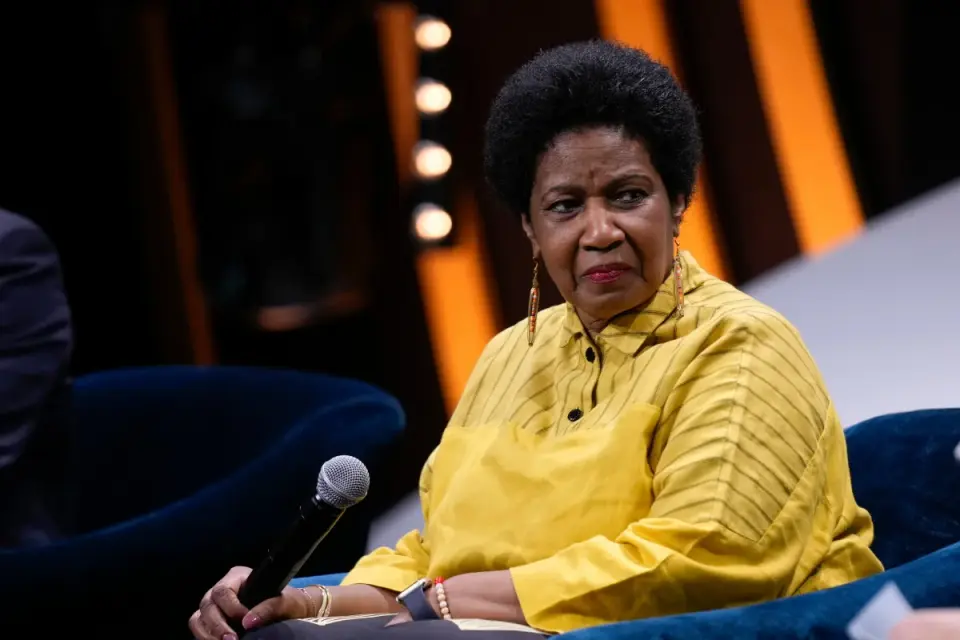
Phumzile Mlambo-Ngcuka, South Africa’s first female deputy president and former head of UN Women, has died at age 71. A former anti-apartheid activist and minister, she served as deputy president from 2005 to 2008 and led UN Women from 2013 to 2021. Her death was announced by the South African government on Friday, with tributes from the ANC and UN Secretary-General António Guterres highlighting her contributions to gender equality and liberation.
Key points
- Phumzile Mlambo-Ngcuka died at age 71, as announced by the South African government on Friday.
- She served as South Africa’s first female deputy president from 2005 to 2008, replacing Jacob Zuma after his dismissal over a corruption scandal.
- Mlambo-Ngcuka held the role of under-secretary-general and executive director of UN Women from 2013 to 2021.
- She was a former anti-apartheid activist, minister of minerals and energy, and deputy minister of trade and industry.
- The exact date and location of her death were not disclosed by the government or the African National Congress (ANC).
Background
Mlambo-Ngcuka was a member of South Africa’s first democratic Parliament after the 1994 elections that ended apartheid. Her career spanned domestic politics and international diplomacy, including a tenure as UN Women head. The archive contains unrelated recent South African news, such as a fatal shark attack in 2026, but no prior coverage of Mlambo-Ngcuka’s health or recent activities.
Why it matters
Mlambo-Ngcuka’s death marks the end of a significant era in South African and global gender rights advocacy. As the first woman to hold the deputy presidency, she broke barriers in a male-dominated political landscape. Her leadership at UN Women helped shape global policies on women’s empowerment, and her legacy is now being assessed in the context of South Africa’s current political decline, as noted in recent ANC election results.
What to watch
The ANC and South African government are expected to announce official mourning periods and state funeral arrangements. The UN may hold commemorative events to honor her contributions to gender equality. No immediate political or policy changes are expected, but her legacy will likely influence future discussions on women’s leadership in African politics.
Want the full story? Read the original reporting
Read on AP News