
Syria Sentences Assad Cousin Wassim to Death in First In-Person Verdict
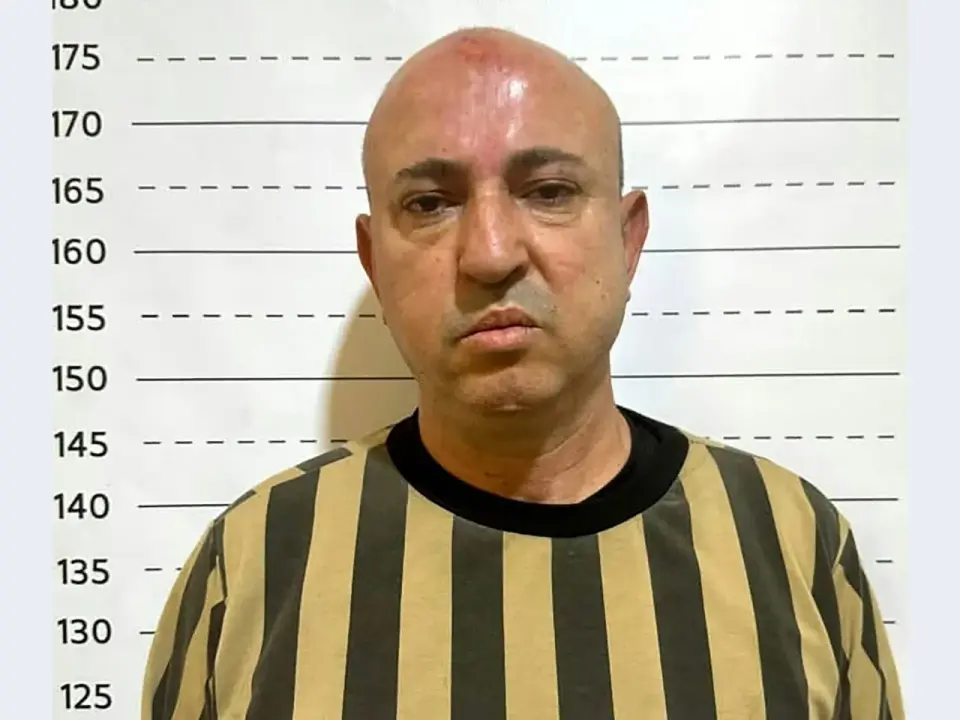
A Damascus court sentenced Wassim al-Assad, cousin of ousted leader Bashar al-Assad, to death for war crimes, marking the first in-person trial of an Assad family member. The verdict follows recent in-absentia death sentences for Bashar and his brother Maher, highlighting Syria’s transitional justice efforts amid international criticism over the death penalty and fair trial standards.
Key points
- Wassim al-Assad was convicted of premeditated murder and torture, classified as crimes against humanity, by the Fourth Criminal Court in Damascus.
- He is the first member of the al-Assad family to be tried and sentenced while physically present in Syria, having been arrested in June 2025.
- The court ordered the confiscation of his assets but acquitted him of drug-trafficking charges due to insufficient evidence.
- This follows the in-absentia death sentences of Bashar al-Assad, his brother Maher, and cousin Atef Najib, who remain in exile in Russia.
- Human rights groups criticized the use of the death penalty and fair trial standards, while the Syrian justice ministry defended the proceedings as compliant with law.
Background
In August 2026, Syrian courts began sentencing former regime figures for crimes committed during the 14-year civil war. Bashar al-Assad and his brother Maher were sentenced to death in absentia a week prior to Wassim’s trial, as they fled to Russia in December 2024. Atef Najib, a former security chief, was also sentenced to death in absentia for crimes in Daraa. These trials are part of a broader transitional justice process under President Ahmed al-Sharaa, who took power in 2025.
How outlets are covering it
Al Jazeera and BBC emphasized the historic nature of Wassim’s in-person sentencing, contrasting it with the in-absentia verdicts for Bashar and Maher. CNN noted the irony of Judge Fakhr al-Din al-Aryan, who defected from the Assad regime in 2013, presiding over the trials. New Lines Magazine highlighted victim testimonies, such as that of Mouawiya Syasneh, who described torture by Atef Najib, and noted public celebrations in cities like Damascus and Hama. Amnesty International and Human Rights Watch criticized the death penalty and fair trial standards, while the Syrian justice ministry defended the proceedings as compliant with domestic and international law. Ibrahim al-Assil of Harvard Kennedy School called the verdicts significant but noted they are only one part of the broader justice process.
Why it matters
The sentencing of Wassim al-Assad marks a pivotal moment in Syria’s transitional justice, demonstrating the new government’s commitment to holding former regime figures accountable. It signals a shift from impunity to legal accountability, though challenges remain, including the extradition of Assad from Russia and the need for broader trials to address the full scope of abuses. The verdict also highlights tensions between domestic justice efforts and international human rights standards, influencing Syria’s diplomatic relations and internal stability.
What to watch
Syria is expected to pursue further trials against former regime officials, including those in exile. Efforts to extradite Bashar al-Assad from Russia will likely continue, though Moscow has not signaled compliance. Human rights groups will monitor subsequent trials for fair trial standards, and the government may face pressure to expand accountability measures to address localized grievances and ethnic tensions.
- Syrian court sentences Wassim al-Assad to death Al Jazeera
- What the death sentence for former Syrian dictator Bashar al-Assad tells us about the future of the country CNN
- Syrian Court Sentences Bashar al-Assad to Death in Absentia for War Crimes The New York Times
- Ousted Syrian dictator Bashar al-Assad sentenced to death in absentia BBC
- Syrian Torture Survivors Respond to Death Sentences for Assad and Others New Lines Magazine
Want the full story? Read the original reporting
Read on Al Jazeera