
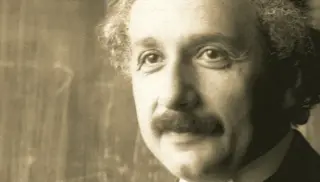
The 1919 Eclipse That Made Einstein Famous
During the May 29, 1919 total solar eclipse, astronomers photographed star positions near the Sun to test Einstein’s prediction that light bending by the Sun’s gravity would amount to about 1.75 arcseconds. Two expeditions—Sobral, Brazil, and Príncipe—produced measurements with mixed data quality, but the best results (notably from Sobral’s four‑inch telescope) aligned with Einstein’s value and disagreed with Newton. After careful reductions and later reanalyses, the evidence favored Einstein, boosting his fame and cementing relativity. The episode also foreshadowed modern gravitational lensing research; today, more precise methods continue to test gravity, but the 1919 plates remain a landmark in scientific history.