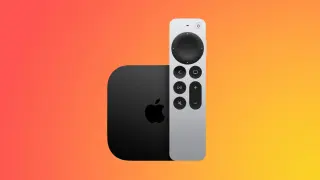
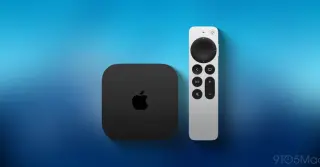
Rumors claim the next Apple TV 4K will ship with an A17 Pro (or newer), at least 8GB of RAM, Apple’s Siri AI via tvOS 27, a dedicated N1 chip with Wi‑Fi 7, and an updated Siri Remote, with a September/October launch and unclear pricing.
The next-gen Apple TV 4K is said to include an upgraded Siri Remote, per macOS 26.7 code findings. Details on the remote changes aren’t disclosed, but the new model is expected to run on an A17 Pro chip or newer and debut around September or October.
Rumors point to a fall refresh of the Apple TV 4K, likely led by an A17 Pro chip, enhanced Apple Intelligence/Siri, faster wireless (Wi‑Fi 7, Bluetooth 6, Thread via an N1 chip), and a redesigned Siri Remote. Pricing remains unclear after recent hikes, with September/October cited for launch while the 2022 model stays on sale (and refurbished options are available).
Rumors peg the 2026 Apple TV 4K with the same exterior but a new A‑series chip (likely A17 Pro) plus a RAM bump, hardware‑accelerated AV1 decoding, and Wi‑Fi 7 (N1) with Thread; Siri AI features tied to iOS 27 are delayed until September 2026, so smarter Siri may come later, possibly with a new Siri Remote; price is unlikely to drop after recent hikes, and the launch is expected around the iPhone rollout in September 2026.
Apple’s 2026 Apple TV is expected to keep the same design but gain a new A-series chip (likely the A17 Pro, with possible A18/A19) and potentially more RAM, while new Siri/Apple Intelligence features are postponed to iOS 27 in September 2026; launch is anticipated in fall 2026, possibly alongside a two-model lineup with different specs and prices. The device may also adopt Wi‑Fi 7 (N1) with 6GHz support and Bluetooth 6 with Thread for smart‑home integration.
Control: Ultimate Edition is now available on iPhone and iPad for $5, includes the full game and DLC, and features a touchscreen-optimized UI (with controller support available). It runs on iPhone models with the A17 Pro and iPads with M-series chips or A17 Pro, while older devices like the basic iPad with A16 are excluded. Early hands-on notes praise smooth performance on recent hardware and mention a minor gripe with sprinting controls, signaling another AAA title entering Apple’s platform lineup.
The chip details of 16 upcoming Apple devices have been revealed, including eight unreleased devices with the A14 Bionic, A17 Pro, and M2 chips. The devices include new iPad, iPad mini, and iPad Air models, as well as the iPhone 16 lineup and the next-generation iPad Pro. The information also suggests that the entire iPhone 16 lineup will feature the same A18 chip, with the iPhone 16 Pro and iPhone 16 Pro Max likely featuring a chip branded as "A18 Pro."
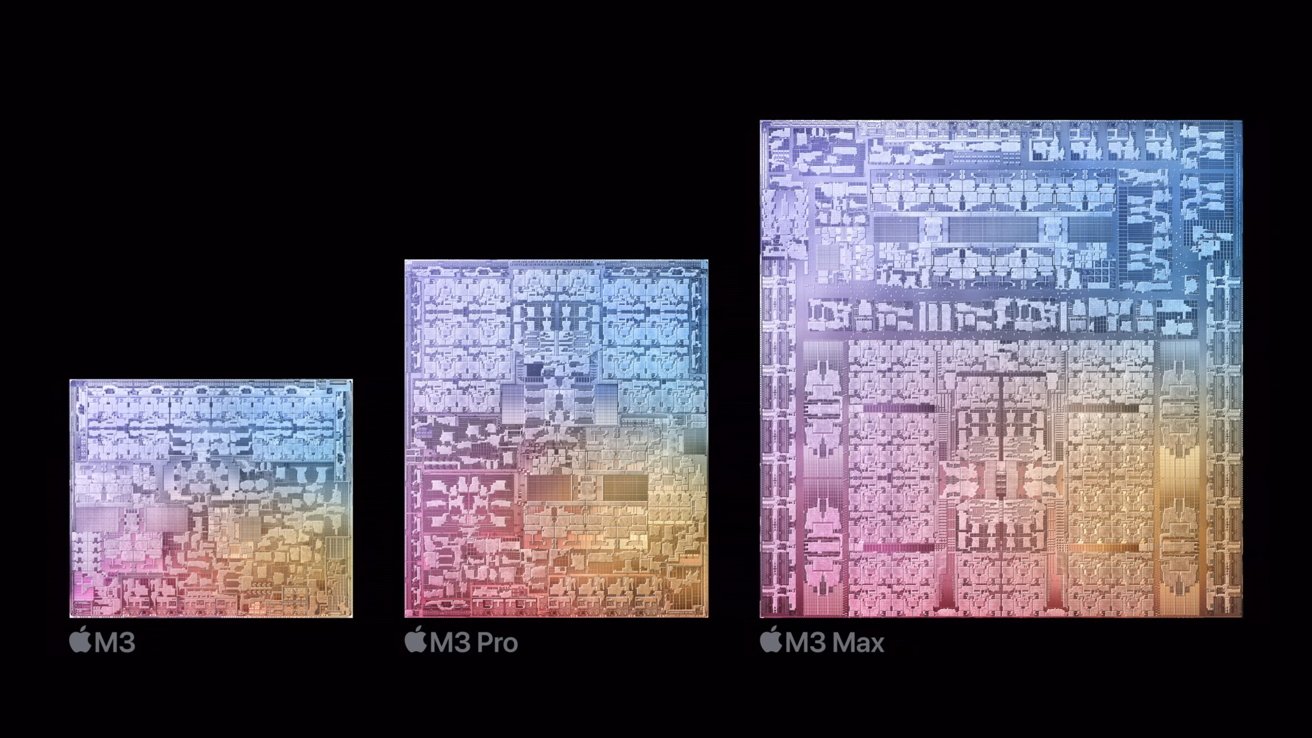
Apple's M3 and A17 Pro chipsets feature three GPU enhancements - Dynamic Caching, flexible on-chip memory, and high-performance ALU pipelines - that improve parallel processes and overall performance. These enhancements allow for more efficient allocation of register memory, utilization of on-chip memory as cache, increased parallel operations, and faster ray tracing and mesh shading. Developers using the Metal API do not need to make any changes to their apps to benefit from these improvements.
A comparison of all current Apple processors, including the new A17 Pro, shows that the iPhone 15 Pro is nearly as powerful as the entry-level MacBook Air. The chart also reveals that the iPad Pro is comparable in speed to the MacBook Air, and the performance difference between the $399 iPhone SE and the $899 iPhone 14 is not as significant as their price difference suggests. The article provides multi-core scores and highlights the increasing performance of Apple processors over the years.
Analyst Ming-Chi Kuo suggests that the reported overheating issues with the Apple iPhone 15 Pro are likely due to design changes rather than flaws in the A17 Pro SoC manufacturing process. The use of a titanium frame and reduced heat dissipation area, along with compromises in the cooling system, contribute to the device's overheating problems. While a future update may optimize the processor, the physical design flaw may impact Apple's sales in the near future.
The iPhone 15 Pro Max is reportedly experiencing severe thermal throttling during intensive tasks like gaming, with surface temperatures reaching up to 48°C. Testing by a Chinese reviewer showed that the A17 Pro chip inside the device only achieved a slight improvement in average FPS compared to the previous A16 Bionic chip, despite consuming less energy. The findings suggest that the iPhone 15 Pro Max may be struggling with insufficient thermal headroom or that the A17 Pro chip is not significantly different from its predecessor. The phone's cooling solution appears to be unable to effectively manage the heat generated by the A17 Pro, resulting in reduced performance.
The Apple A17 Pro, Apple's new 3 nm smartphone SoC, has disappointed in its initial Geekbench performance, showing only marginal improvements over its predecessor, the A16 Bionic. The A17 Pro scored around 10% higher in single-core performance and 5% higher in multi-core performance. Rumors suggest that the A17 Pro may be a rebadged A16 Bionic with an additional GPU core and minor tweaks, possibly due to issues with TSMC's N3E node. Despite the underwhelming benchmark results, Apple may be focusing on the A17 Pro's GPU-specific improvements, positioning it as a gaming powerhouse with hardware-accelerated raytracing and the ability to run AAA games.
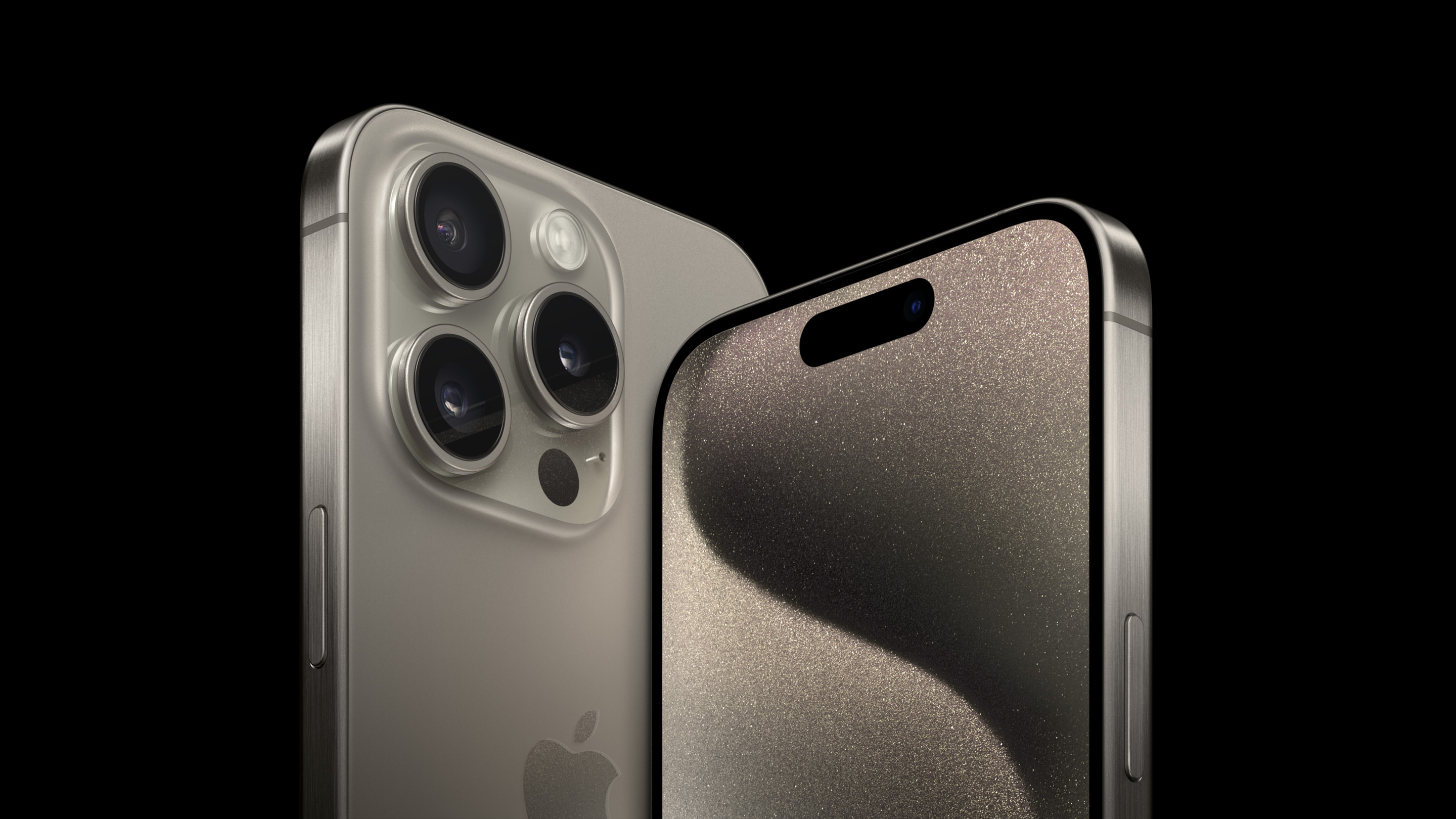
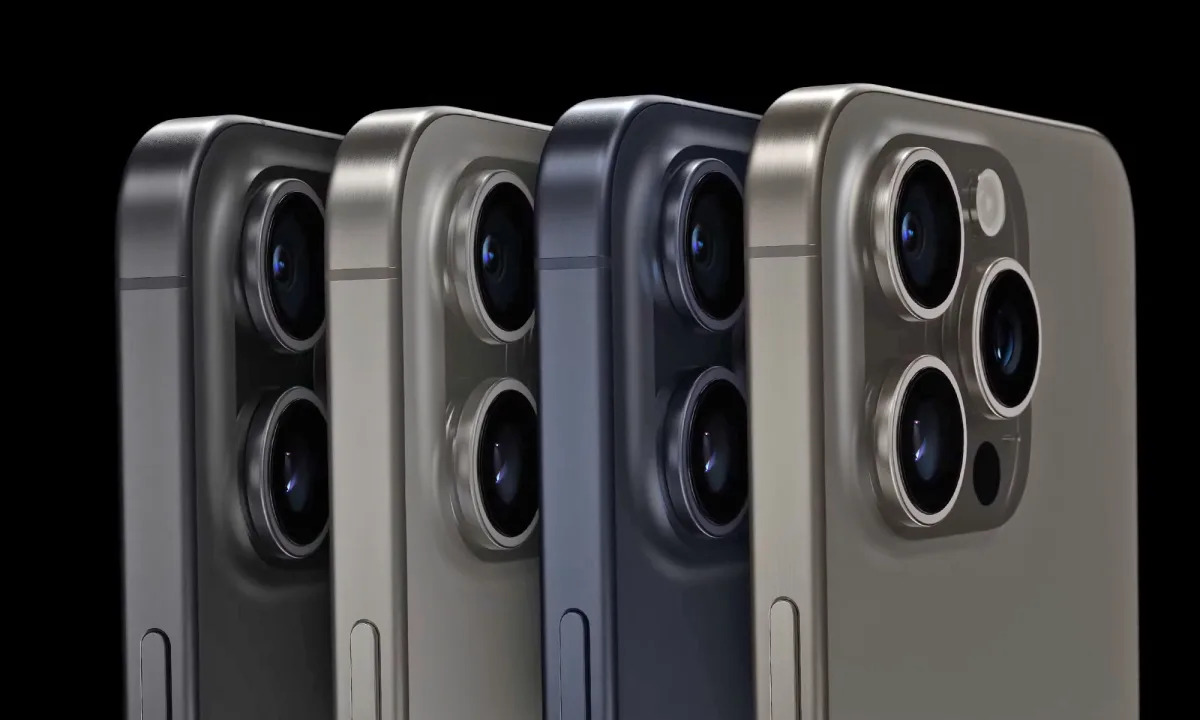
Apple has unveiled the iPhone 15 Pro and iPhone 15 Pro Max, featuring a strong and lightweight titanium design, powerful camera upgrades, and the new A17 Pro chip for enhanced performance and gaming. The new models also include a customizable Action button, USB-C connector with faster speeds, and roadside assistance via satellite. Pre-orders begin on September 15, with availability starting on September 22.
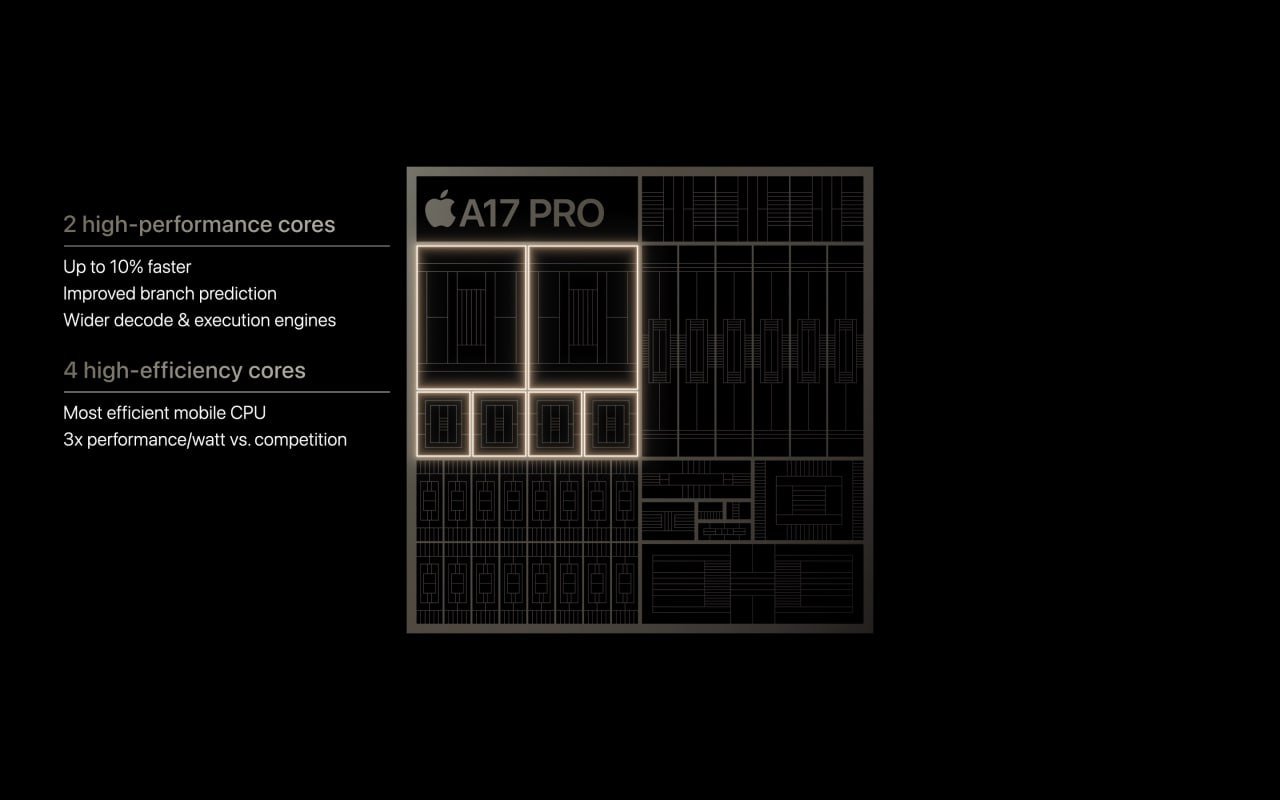
Apple has unveiled its most powerful mobile chip yet, the A17 Pro, at its annual fall event. The 3nm chip boasts 17 billion transistors, a six-core CPU, and a 6-core GPU that is 20% faster than its predecessor. The A17 Pro is particularly beneficial for game developers, as it supports advanced graphics features like hardware accelerated ray tracing. Apple also announced upcoming game releases for the iPhone, including Resident Evil 4 and Resident Evil Village. The naming of the A17 Pro suggests the possibility of a stripped-down version in next year's iPhone 16.