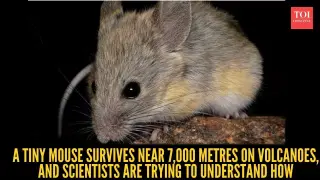
Andean Leaf-Eared Mouse Defies the Death Zone With Detox Adaptations
Scientists analyzed 160 mice from sea level to nearly 7,000 m and found that high-altitude individuals survive by a combination of mitochondria-rich muscles, fat-based heat production, and detoxification genes that let them process toxic alpine plants. The mice interbreed with lowland relatives, yet natural selection preserves these traits, indicating metabolism and detoxification are as crucial as oxygen transport for enduring chronic hypoxia. The study, published in Science, suggests detox pathways and energy metabolism are key to life in extreme environments and may inform biomedical research on cellular responses to low oxygen.