A Japanese woman was attacked and injured in a Suzhou subway station, China, amid rising anti-Japanese sentiment fueled by recent media. The suspect has been detained, but motives remain unclear. This follows a previous attack on a Japanese woman and her child in the same city.
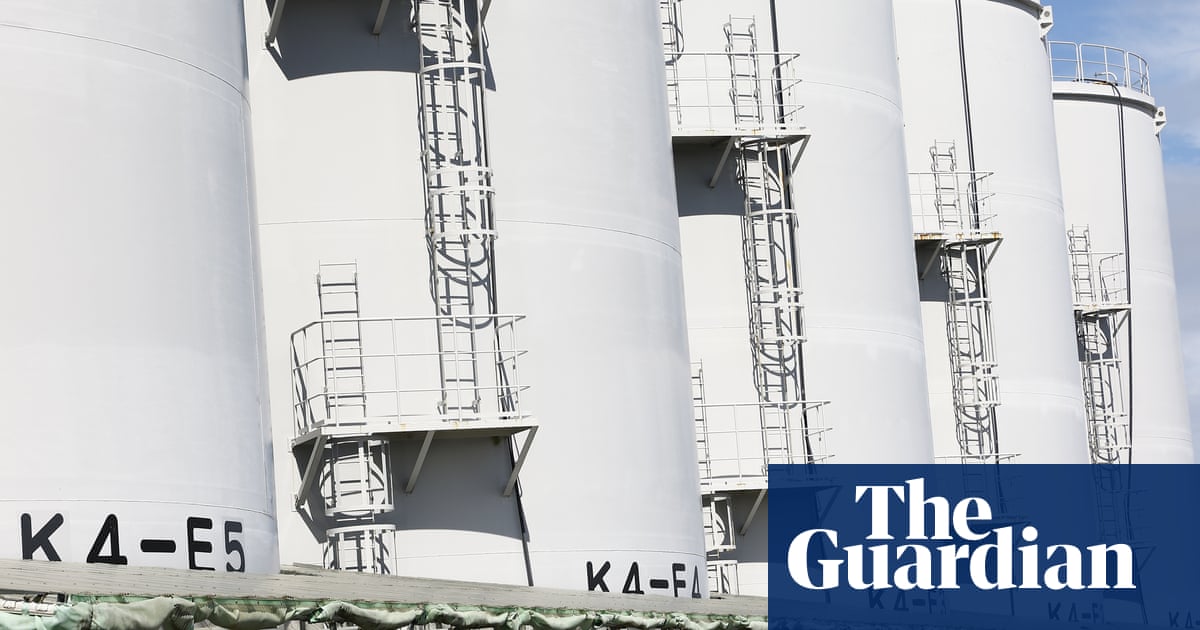
Fake news and state-backed disinformation in China are fueling anger towards Japan over its release of treated wastewater from the Fukushima nuclear plant. Reports of protests, abusive phone calls, and boycotts of Japanese products have prompted Japan to summon the Chinese ambassador and urge caution among its citizens in China. The release of the water, approved by the UN atomic watchdog, has been met with concerns and objections from several countries. China's government statements and state media have questioned the science behind the process, leading to anti-Japanese sentiment. Coordinated campaigns and misinformation on social media have amplified fears and misinformation about the wastewater release. The situation could escalate tensions between the two countries.
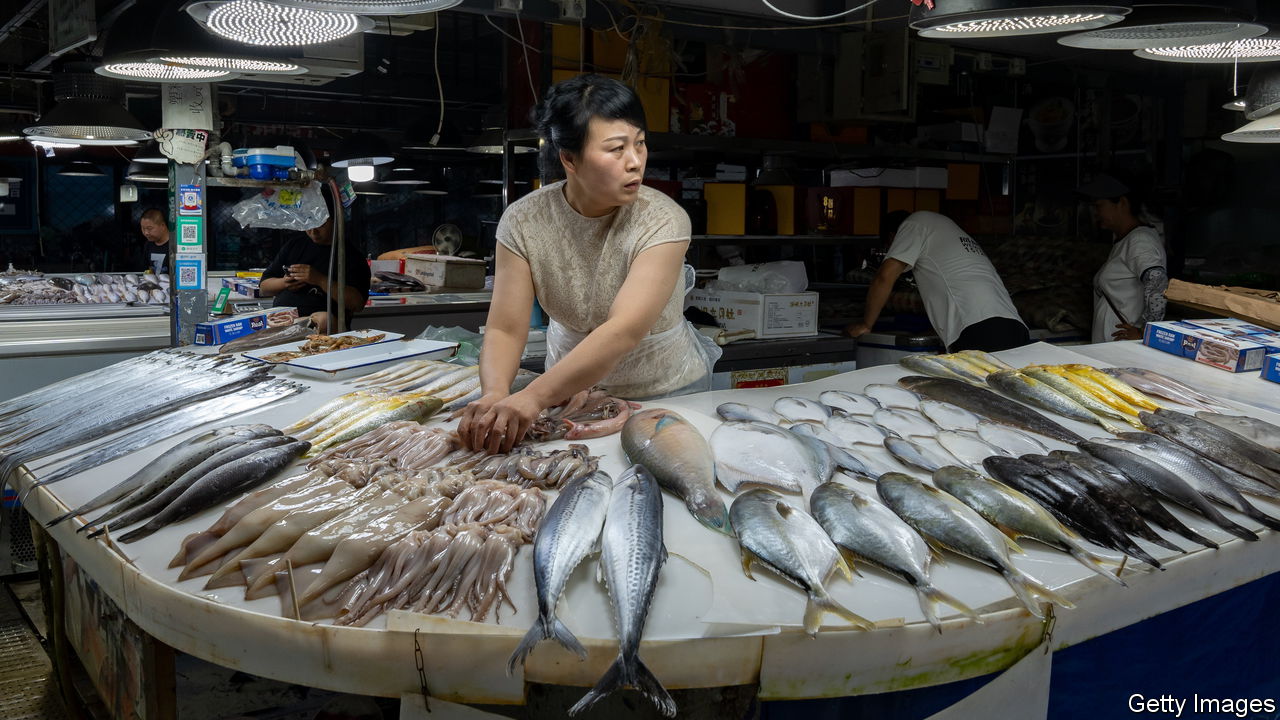
China has strongly criticized Japan's decision to release treated waste water from the Fukushima nuclear plant into the ocean, imposing a ban on Japanese seafood imports and promoting unfounded claims about contamination. While some scientists and activists oppose Japan's plan, China's response appears to be driven more by political factors, including deep-rooted anti-Japanese sentiment, territorial disputes, and frustration over Japan's closer ties with the US and support for Taiwan. The timing of China's reaction also conveniently distracts from its struggling economy, although the ban on Japanese seafood imports may have negative consequences for Chinese businesses.