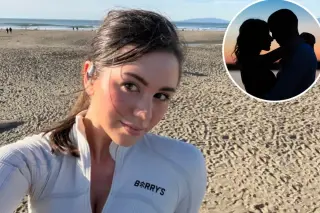
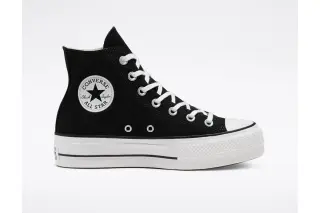
Converse pulled its Chuck 70 X ad following public criticism that the imagery resembled Ku Klux Klan symbolism and a lynching scene; the company apologized, said it would remove the image from all channels, and noted the campaign was a collaboration with Karina of aespa.
Defector's Arts & Culture piece portrays Ed Sheeran's Philadelphia show as a scripted, emotion-laden apology amid backlash over his Israel-Palestine stance and industry pressure, with critics accusing him of pandering while the tour continues at Foxborough.
A San Francisco tech executive’s post listing dating “non-negotiables”—including a “healthy masculine” partner, a “provider/protector” mindset, and a preference for someone in tech—drew swift online backlash and debates about the city’s dating scene. LeBlanc says years of dating experience inspired the list and defends asking for what she wants, while critics argue the checklist is tone-deaf and unhealthy.
Converse apologized and pulled a Chuck 70 X sneaker ad after online critics said the imagery evoked a KKK hood and lynching; a separate campaign showing sneakers hanging from a tree also resurfaced amid the backlash, and Converse’s owner Nike said they will do better.
Converse faced backlash over a Chuck 70 X Run Star Crush campaign image that many users said resembled a Ku Klux Klan hood and lynching imagery; the brand pulled the imagery, issued an apology, and pledged to do better as critics and officials condemn the choice as harmful and not just a matter of aesthetics.
Converse pulled its Chuck 70 X campaign featuring Karina from Aespa after social media users criticized the promo photo for resembling Ku Klux Klan imagery; the brand apologized, removed the image from its channels and promised to do better as the campaign launched globally on Aug. 27.
Texas Rep. Jasmine Crockett faced online backlash after entering Chris Brown into the congressional record and praising him alongside Usher, despite Brown’s documented history of violence and legal troubles. Critics called the move tone-deaf and inappropriate for a lawmaker, while Crockett framed it as a celebration of Black artistry. Brown responded on Instagram, and Crockett had recently lost a Senate bid, with the episode renewing scrutiny over celebrities in political settings.
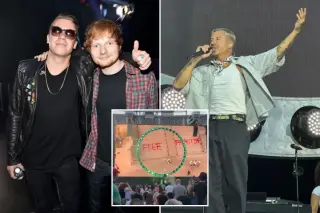
An Irish Classic Hits Radio stopped playing Ed Sheeran amid backlash tied to Macklemore’s pro-Palestine/anti-Israel performance, leading four opening acts to drop from Sheeran’s tour and protesters planning a Philadelphia demonstration. Sheeran issued a measured response, saying he isn’t using his platform for politics and that venues/promoters made the decision to drop Macklemore, while Macklemore claimed pressure from stadium owners and continued to advocate for Palestinian aid.
Sydney Sweeney faced backlash after appearing nude in a sports-betting ad, with Social Blade data showing about 136,848 followers unfollowing on Sunday and 66,446 on Monday—roughly 200,000 in total, less than 1% of her 25 million followers—though she later regained over 116,000 as debate continued.
Professional cyclists including Demi Vollering, Sophie Capewell and Maddy Nutt joined a global backlash to Sydney Sweeney’s naked betting advert, arguing it sexualises women’s sport and undermines progress toward normalising female athletes. Vollering and Capewell spoke out about the issue, with Vollering posting a message about wanting athletes to be seen for what they can do, not how they look. Nutt released a video addressing Sweeney, saying the ad is tacky and not representative of female athletes, while also viewing the backlash as an opportunity to highlight women’s sport and body positivity. The controversy has drawn widespread criticism from sportswomen worldwide and sparked discussions on how women in sport are portrayed in advertising.
Following Team USA’s World Cup gold, Caitlin Clark drew online backlash for not placing her hand over her heart during the national anthem, reviving a heated WNBA anthem debate. While some defended her stance, many fans criticized the move, though teammates like Paige Bueckers also didn’t raise a hand, underscoring that the controversy spans the league.
A Venice prize-winning Israeli documentary about the Gaza war, praised by some as exposing the system behind civilian casualties (per Guardian synopsis), sparked sharp backlash in Israel
0as officials questioned its motives and allegations; the film isn’t yet released and its producers plan distribution in Israel, Europe, and the United States.
The Venice premiere of NAZA, an Israeli documentary about killings in Gaza, earned international praise with a lengthy standing ovation and a Special Jury Prize, but provoked a domestic firestorm in Israel. The military questioned the film as “blood libels” and “deliberate distortions,” while Culture Minister Miki Zohar floated the possibility of stripping the directors of Israeli citizenship for allegedly betraying the state.
An elite Hyrox competitor, Joanna Wietrzyk, soiled herself during Hyrox Beijing yet continued and won, prompting fierce debate over track hygiene and organizational response; spectators highlighted penalties for littering and the track contamination affected later participants; Hyrox World defended the athlete while acknowledging lapses and proposing rule updates, sanitation improvements, and clearer intervention protocols in future events, amid continuing backlash on Chinese social media.
The Novig ad featuring Sydney Sweeney, which uses sports imagery to sexualise a female body, drew swift backlash from Olympians and athletes who say it undermines hard work and teamwork in women’s sport; the campaign was viewed over 22 million times in two days, with critics including Amy Hunt and Ariarne Titmus calling it harmful, while Sweeney responded with posts and Novig defended the campaign.