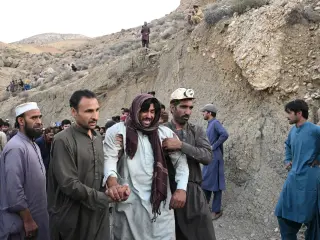
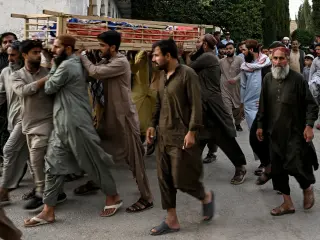
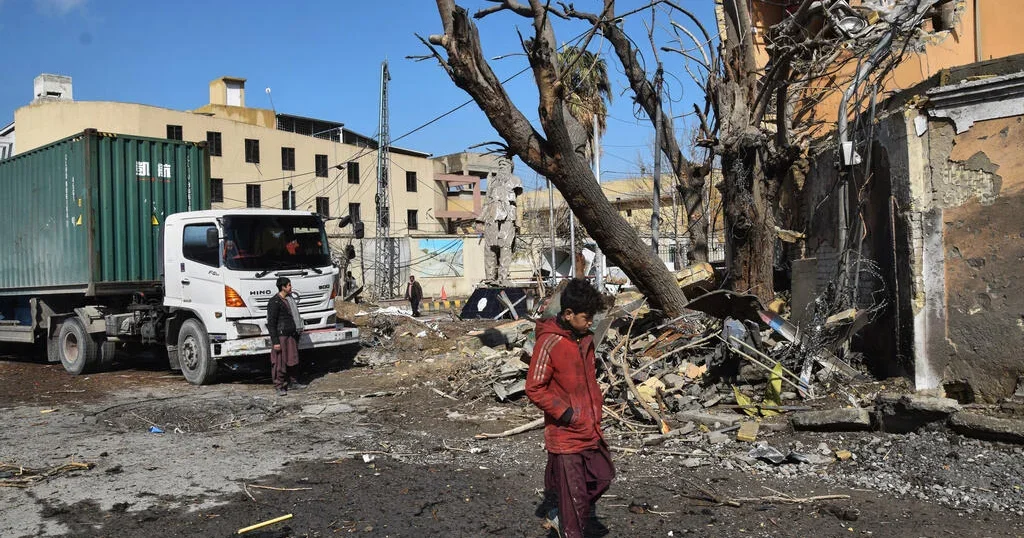
A methane gas explosion at a Sorange coal mine near Quetta, in Pakistan’s Balochistan province, killed at least 32 miners, with 29 bodies recovered and three more found as rescuers continued search; authorities warn survival chances are slim amid ongoing concerns over ventilation and safety in the region’s mines.
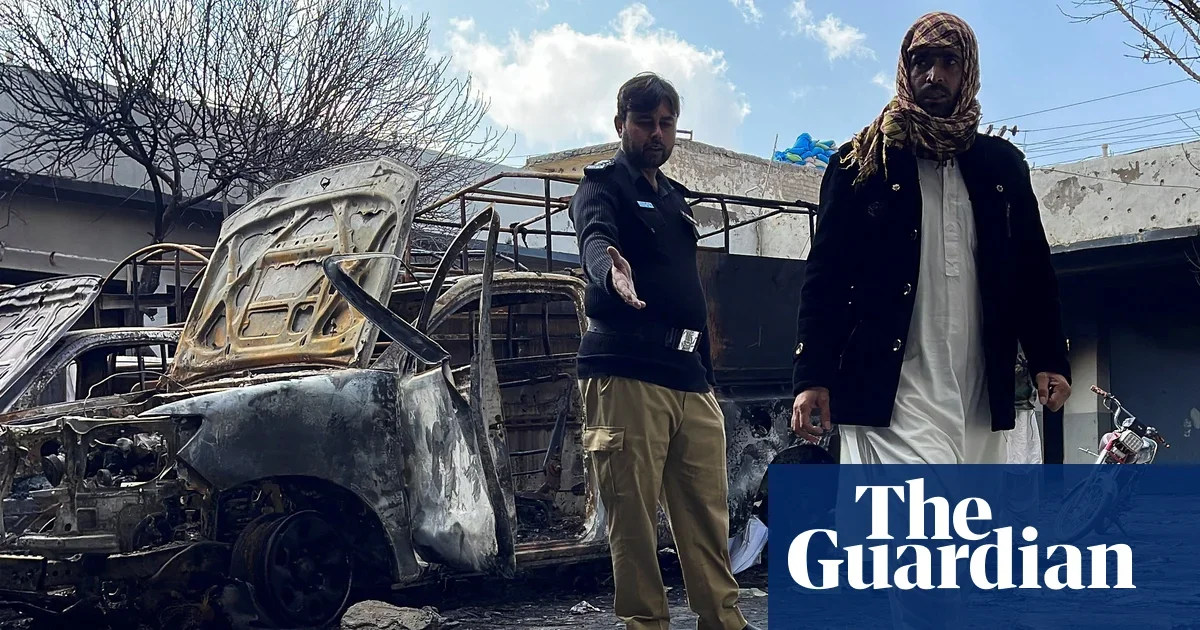
Militants attacked a police post in Pakistan's Balochistan province (Ziarat district), killing at least nine officers, injuring several, and abducting eight (all later recovered). Security forces then killed 15 militants in a follow-up operation. Investigators are leaning toward the Baloch Liberation Army, with the strike coming days after a Karachi attack, highlighting a new surge in militant violence against security forces.
Gunmen attacked police guarding the Mangi Dam construction site in Ziarat, Balochistan, killing at least nine officers (including two senior officials) with several missing; security forces said they killed about 15 Pakistani Taliban members in a subsequent clearance operation, while protests erupted along a nearby highway.
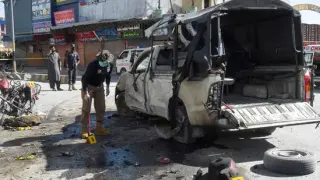
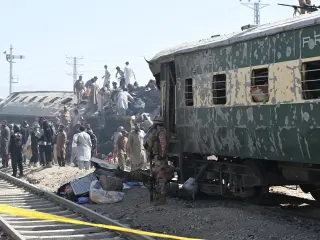
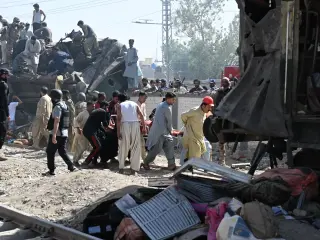
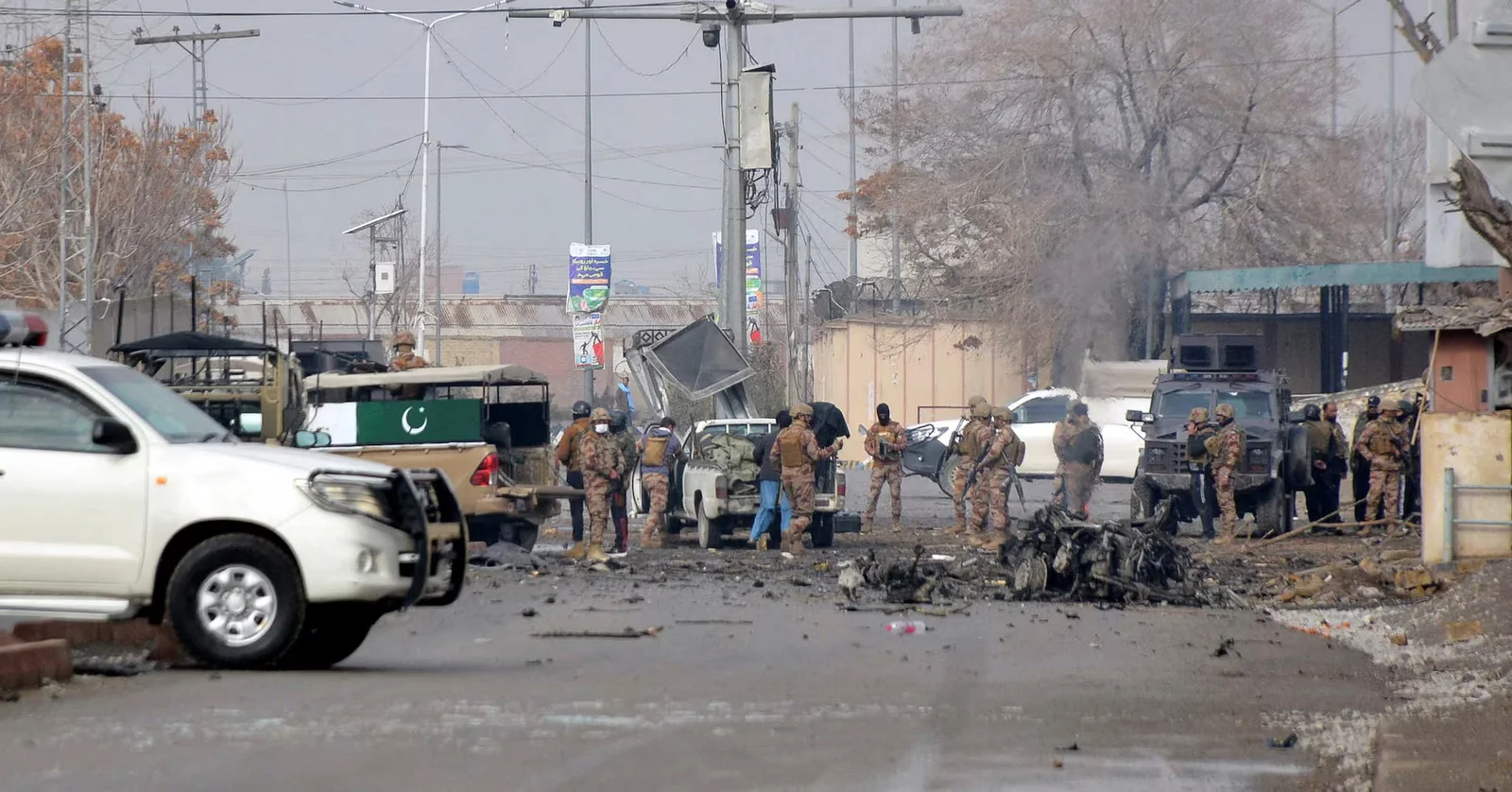
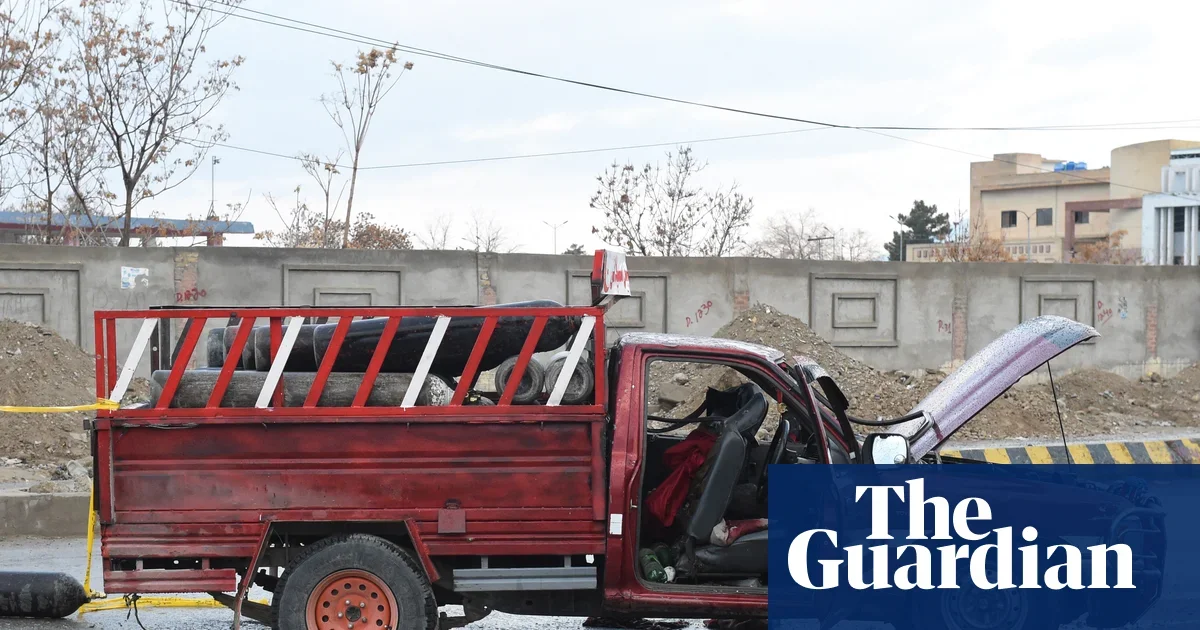
A suicide car bomb exploded on a train in Quetta, killing at least 24 and injuring more than 50, with the attack claimed by the Balochistan Liberation Army. While initial reports suggested a suicide bombing, officials have not officially confirmed this. The strike, occurring during Prime Minister Sharif’s visit to China and amid rising Baloch insurgent violence linked to Chinese investment under the China-Pakistan Economic Corridor, signals a potential resurgence in militant capability and poses risks to security and foreign investment in Pakistan.
A blast hit a train carrying military personnel near Quetta in Pakistan's Balochistan province, killing at least 24 and injuring more than 50 as two carriages derailed and caught fire; the Balochistan Liberation Army claimed responsibility.
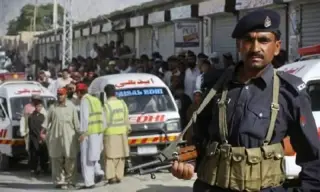
A suicide car bomb targeted a train carrying soldiers in Quetta, Pakistan's Balochistan province, killing at least 24 and wounding more than 50. The Balochistan Liberation Army claimed responsibility; the blast derailed and burned several carriages and damaged nearby buildings, with hospitals placed on high alert. The attack comes amid a surge of separatist violence in Balochistan linked to anti-China sentiments and concerns around the China-Pakistan Economic Corridor.
In Quetta, unidentified gunmen on motorcycles killed two Hazara men and injured three others returning from the Hazarganji market, in what police describe as a targeted killing; security forces rushed to the scene, protests by Hazara residents disrupted traffic, and authorities vowed action as no group claimed responsibility.
Pakistan's military says it has concluded a week-long operation against the Baloch Liberation Army in Balochistan, reporting 216 militants killed and casualties among security forces and civilians after militants seized towns including Nushki; the BLA says its operation also ended, while combing continues in some areas amid ongoing cross-border tensions with India.
Pakistan’s military says a weeklong operation in Balochistan degraded BLA networks, reporting 216 militants killed, a substantial weapons cache recovered, and casualties among civilians and security personnel, as authorities say the campaign disrupted leadership and operational capabilities amid ongoing violence in the resource-rich province.
Balochistan’s long-running conflict—rooted in colonial-era borders, political exclusion, and resource extraction—has driven repeated uprisings, with a new surge led by the BLA. As security operations escalate, analysts say lasting peace requires political dialogue, accountability for disappearances, and a credible reconciliation framework that addresses governance and economic grievances tied to projects like CPEC.
Pakistan's security forces used drones and helicopters to eject militants from the desert town of Nushki after a three-day battle, as weekend attacks across Balochistan left 58 dead and operations against the BLA continued province-wide.
Pakistan’s security forces killed roughly 22 militants in overnight raids across Balochistan, raising militant deaths to about 177 in 48 hours after coordinated attacks by the Baloch Liberation Army that killed around 50 people; authorities say normalcy is returning but train service remains suspended, and there are no talks planned with the BLA.
Security forces in Pakistan’s Balochistan province say they killed 145 militants from the Baloch Liberation Army—described by authorities as Indian-backed—during a wave of counterterrorism raids over the past 40 hours, following weekend suicide and gun attacks that killed 33 people. The operation left 18 civilians and 15 security personnel dead, with some militants reportedly Afghan nationals. Islamabad continues to accuse India of backing the BLA and cites cross-border links, while Afghanistan’s role is also referenced in the region’s tensions.
Pakistan’s security forces intensified operations against Baloch separatists after a weekend of unprecedented multi-city assaults in Balochistan, including Quetta and the Gwadar port, killing at least 31 civilians and 17 security personnel; authorities say 145 militants were killed in about 40 hours, and the Balochistan Liberation Army claimed responsibility for the attacks. The strikes targeted military installations, police stations, banks, and a prison in Mastung, with mobile internet suspended in several cities as security forces said they were conducting mop-up operations. Islamabad blames Afghan sanctuaries for militant safe havens, a claim Kabul denies, while analysts warn the insurgency has momentum and local support that complicates containment.
A coordinated wave of suicide and gun attacks by militants, led by the Baloch Liberation Army, rocked Pakistan's Balochistan province, targeting civilians, a high-security prison, police stations and paramilitary sites. Officials say the assaults left more than 120 people dead or wounded on Saturday (including civilians and security personnel) and that security forces killed a large number of militants—92 on Saturday—with the total militant deaths in the past 48 hours reaching about 133. The violence included prison breaks, bank robberies, and attempted assaults on government facilities, and some footage showed female fighters among the attackers. Pakistan accuses the group of Indian backing, a charge New Delhi denies. The attacks prompted emergency hospital measures and disrupted rail services across the region.