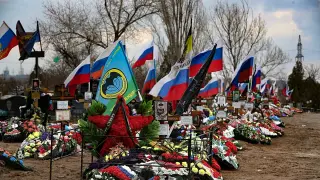
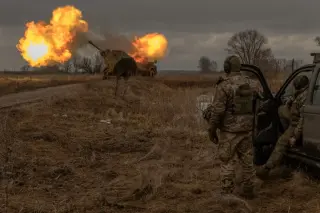
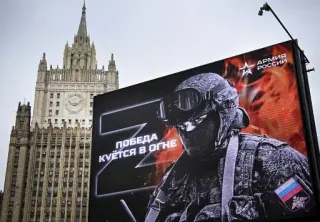
A massive leak of Russian death certificates reveals that over 460,000 soldiers have died in the Ukraine conflict, with 2025 being the deadliest year. The data shows a sharp rise in suicide rates among troops and highlights that losses are concentrated in poorer regions, while territorial gains remain minimal.
A fire in a mixed-use building in Phuket, Thailand, killed 11 people and injured others early Monday. Authorities attribute the blaze to an exploding electrical transformer that ignited combustible materials in a ground-floor motorcycle shop. The incident highlights ongoing concerns regarding building safety in Thai tourist hubs.
A fire in a mixed-use building in Patong, Phuket, killed 11 people and injured others early Monday. Authorities attribute the blaze to an exploding electrical transformer, which ignited combustible materials in a ground-floor motorcycle shop. The incident highlights ongoing concerns regarding building safety in Thai tourist hubs, following a similar mass-casualty fire in Bangkok in July.
Hacking groups Cyber Partisans and Silent Crow leaked over 11 million death certificates from Russia’s Rosstat agency, revealing that more than 400,000 Russians have died in the Ukraine war. The data, obtained in late October, shows a sharp rise in casualties in 2025 and highlights disproportionate losses in poorer regions. While the figures align with prior estimates, they likely undercount the true toll due to missing personnel and reporting delays.
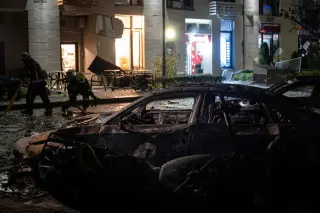
Russian forces launched a second consecutive day of massive drone and missile strikes against Ukrainian energy infrastructure on November 7-8, causing widespread power outages and leaving 600,000 people without electricity in Dnipropetrovsk Oblast. While Russia’s territorial gains have slowed to a near standstill, its casualty toll has reached record highs, with independent estimates suggesting over 440,000 deaths since 2022. In response to dwindling air defense stockpiles, Ukraine is intensifying long-range strikes against Russian logistics hubs and oil refineries to degrade Moscow’s war economy and strike capabilities.
Ukrainian forces struck four Russian drone command and control posts within a single 24-hour period, targeting facilities in occupied Zaporizhzhia, Kherson, and Donetsk regions, as well as a site in Russia’s Bryansk region. The General Staff of the Armed Forces of Ukraine confirmed that the primary high-value target was a base for the elite 'Rubikon' drone unit in Berdiansk, described as a technologically advanced center for coordinating tactical reconnaissance and strike barrages. These strikes coincided with a record weekly loss rate for Russian forces, with 16,130 casualties reported between November 1 and 7, 2026. Ukrainian military planners emphasized that disabling these command nodes reduces the number of drones over Ukrainian positions and supply roads, while the high attrition rate reflects the intensity of the ongoing conflict.
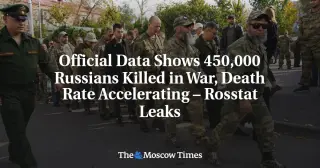
Hacking groups claim to have breached Russia’s Federal State Statistics Service (Rosstat), stealing 23 terabytes of data. The leaked files suggest over 450,000 Russians have died in the Ukraine war since 2022, a figure significantly higher than previous independent estimates. The data reveals an accelerating death rate and disproportionate losses among ethnic minorities, marking the conflict as Russia’s deadliest since World War II.
A data leak from Russia’s state statistics agency, Rosstat, indicates that over 450,000 Russians have died in the war in Ukraine since 2022. The figures, obtained by hacking groups after a cyberattack in late October, suggest the conflict is now Russia’s deadliest since World War II. While the exact numbers vary by methodology, the data highlights an accelerating death rate and disproportionate losses among ethnic minorities, raising questions about the sustainability of Russia’s military strategy.
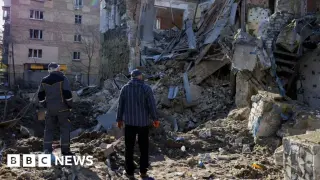
Russian forces launched a large-scale attack on Ukraine, damaging energy infrastructure and civilian buildings in Kyiv and other regions. President Volodymyr Zelensky reported that 12 regions were targeted, with over 170 drones and 30 ballistic missiles used. The strikes caused blackouts and water supply disruptions, injuring nine people. These attacks occurred three days before scheduled trilateral talks in Abu Dhabi, which Zelensky described as a Russian attempt to pressure Ukraine before negotiations.
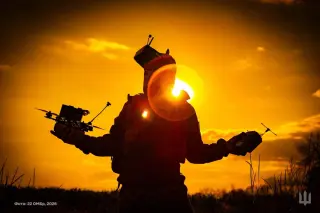
President Zelensky announced that Ukrainian forces liberated 96.2 square kilometers in October, exceeding Russian gains by 10.4 square kilometers, while inflicting a record 54,400 casualties on Russian troops. A key component of this success was the Unmanned Systems Forces, which accounted for nearly 31 percent of total losses. Simultaneously, Ukrainian troops executed Operation Veles, a subterranean counteroffensive near Kupiansk that disrupted Russian infiltration routes through gas pipelines.
The Economist estimates Russian military casualties since 2022 between 1.4 and 2.1 million, with 374,000 to 770,000 killed. Ukraine’s General Staff reports 49,040 Russian losses in October, nearing President Zelenskyy’s target of 50,000 monthly. Ukraine is scaling drone production to 16 million units annually, while Russia relies on North Korean labor to sustain its defense industry amid severe domestic shortages.
Russian ballistic missiles struck the State University of Trade and Economics in Kyiv on October 26, killing one person and injuring 15, mostly students. The attack damaged dormitories, medical facilities, and the Southern Bridge, prompting President Zelensky to demand faster Western air defense deliveries.
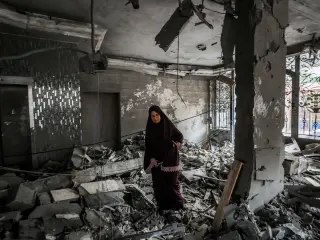
An Israeli air attack on a residential building in Gaza City killed at least five people and wounded others early Saturday. The strike targeted the al-Asala building in the crowded Remal neighborhood, which the Israeli military claimed was used by Hamas deputy chairman Ali al-Amoudi. Among the dead were a Christian mother and daughter, prompting condolences from religious leaders. This incident adds to a rising toll of over 1,400 deaths since the ceasefire began, with medical sources citing severe supply shortages.
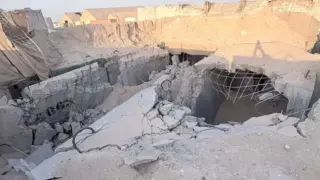
Leaked images reveal severe destruction at US bases in Kuwait and Saudi Arabia following Iranian retaliatory strikes, with a Pentagon report confirming billions in equipment losses and hundreds of damaged structures.
A report indicates that the number of US service members killed in the ongoing conflict with Iran exceeds the figures publicly disclosed by the Pentagon. The conflict, which began in late February 2026, has resulted in a higher toll than the Defense Department's official database suggests, according to internal sources.