
Tag

Borrelia Mayonii

All articles tagged with #borrelia mayonii

Rare Lyme Variant Emerges in New York, First Local Case of B.‑mayonii
health1 month ago

Rare Lyme Variant Emerges in New York, First Local Case of B.‑mayonii

Researchers confirm the first locally acquired case of Borrelia mayonii, a rarer Lyme-causing bacterium, in New York after a Central New York resident developed symptoms and was treated successfully with doxycycline; ticks collected on the patient’s property tested positive for B. mayonii, suggesting local tick transmission and possibly an established animal reservoir, signaling a need for ongoing surveillance as tick populations expand with climate change.
New York Sees First Local Case of Rare Lyme Bacterium Borrelia mayonii
health1 month ago

New York Sees First Local Case of Rare Lyme Bacterium Borrelia mayonii

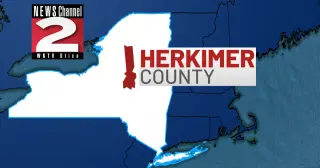
CDC confirms the first local detection of the Lyme-disease bacterium Borrelia mayonii in New York: a Herkimer County resident tested positive and ticks on the property carried the bacterium, with nine additional B. mayonii–positive adult ticks found later, suggesting local transmission likely involving wildlife. Nationwide testing found no other NY cases. B. mayonii is distinct from the more common Borrelia burgdorferi, though symptom differences are not well understood. The patient also had anaplasmosis and recovered after doxycycline treatment.

Rare Lyme Bacterium Detected in New York as First Local Case
health1 month ago

Rare Lyme Bacterium Detected in New York as First Local Case

The CDC reports a case of Lyme disease caused by the rarer Borrelia mayonii in upstate New York (Herkimer County)—the first identified in the state. B. mayonii is much less common than the typical B. burgdorferi and may present with nausea, a broader rash, and more neurological symptoms. A handful of ticks from the patient’s property tested positive, but testing of more than 1,500 ticks across 24 New York counties found no additional cases. Experts say the bacterium may have circulated in NY ticks for years but remains extremely rare; climate-driven shifts in tick habitats are expanding risk, underscoring the importance of tick-prevention measures.