Researchers at Tufts University found that infection with Borrelia burgdorferi, the bacterium causing Lyme disease, causes long-lasting epigenetic changes in bone marrow immune cells. These changes persist even after antibiotic treatment, potentially altering future immune responses and contributing to prolonged symptoms.
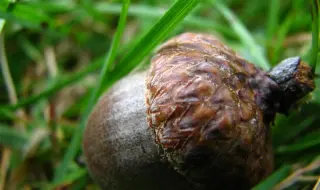
A 35-year study in New York reveals that acorn abundance, rather than deer populations, is the primary predictor of Lyme disease risk two years later. Acorns fuel white-footed mice, which in turn drive tick populations. While mouse numbers influence tick counts, actual infection rates depend on the broader animal community. This ecological insight offers a more accurate forecast for 2027 tick season.
A 35-year study in New York finds that acorn abundance predicts Lyme disease risk two years ahead. White-footed mice, fueled by acorns, drive tick populations more than deer do. However, infection rates depend on the broader animal community, not just mouse numbers.
A 35-year study by the Cary Institute of Ecosystem Studies reveals that white-footed mouse populations, driven by oak tree acorn production, are a stronger predictor of Lyme disease risk than deer numbers. The research, published in the Proceedings of the National Academy of Sciences, challenges previous assumptions about tick ecology and highlights complex interactions between weather, predators, and host animals that influence infection rates.
Christina Applegate is undergoing new medical tests for lupus, Lyme disease, and rheumatoid arthritis after confirming her 2021 multiple sclerosis diagnosis was incorrect. Despite the reversal, her symptoms persist, leaving her without a current explanation for her ongoing pain and fatigue.
Christina Applegate is undergoing new medical testing for conditions that mimic multiple sclerosis after learning her 2021 diagnosis was incorrect. Despite the misdiagnosis, her symptoms persist and have worsened, leaving her without a current explanation for her debilitating pain and mobility issues.
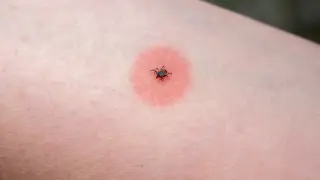
Lyme disease, the most common tick-borne illness in the US, affects approximately 476,000 people annually. Caused by bacteria transmitted through deer tick bites, it is highly treatable with antibiotics if detected early. Symptoms include flu-like signs and a characteristic rash, while delayed treatment can lead to severe joint, nerve, and heart complications. Prevention relies on tick checks, repellents, and prompt removal of attached ticks.
John Reagan, a 66-year-old retired pharmacist from Concord, New Hampshire, contracted Powassan virus after removing a tick in early May. Despite initial dismissal by local doctors, he suffered severe neurological symptoms, including loss of speech and movement. A diagnosis was finally confirmed on June 9 after testing at Massachusetts General Hospital and the Mayo Clinic. Reagan survived a near-fatal brain swelling episode and is currently undergoing rehabilitation. The case highlights the rising threat of tickborne diseases in the US, where Powassan cases hit an all-time high of 76 in 2025.
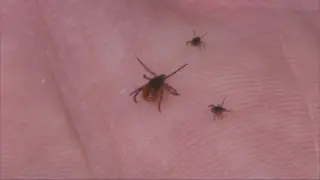
A recent case in New York involving an 8-year-old girl illustrates the growing difficulty in distinguishing Southern Tick-Associated Rash Illness (STARI) from Lyme disease. The child developed a bull’s-eye rash, fever, and muscle pain after a tick bite in June 2025. Initially treated for Lyme, she recovered fully, but the tick was later identified as a lone star tick, leading to a STARI diagnosis. As this species expands into the Northeast, where blacklegged ticks are already common, doctors warn that visual symptoms are too similar to allow reliable differentiation without specific lab tests.
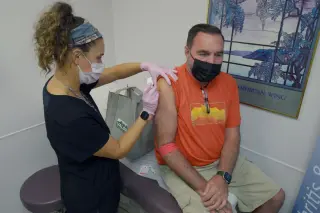
Pfizer has released data indicating its four-dose Lyme disease vaccine is over 70% effective, marking a significant step toward human prevention after decades of absence. While the US currently lacks licensed human vaccines, rising tick populations and climate change have increased infection rates to an estimated 476,000 cases annually. The new candidate targets the OspA protein, aiming to neutralize bacteria within the tick before transmission. Although the trial involved over 9,400 participants, fewer infections occurred than expected, limiting statistical conclusiveness. Pfizer plans to submit the vaccine for regulatory approval, while other firms like Moderna and Tarsus Pharmaceuticals advance alternative vaccines and oral medications. Experts emphasize that while current prevention methods like protective clothing remain effective, they are often impractical for daily use, highlighting the potential public health benefit of accessible medical interventions.
A Pfizer-Valneva Lyme vaccine has completed trials but faces uncertain rollout due to the defunct CDC Advisory Committee on Immunization Practices. Maine, with record tick cases, lacks clear insurance coverage guidance as legal battles over the panel’s legitimacy continue.
Tick-borne emergency room visits have reached record highs in 2026, with New York reporting over 17,500 annual Lyme cases. While experts debate the feasibility of total tick eradication due to ecological and logistical hurdles, new strategies involving genetically modified mice and targeted pesticide use are emerging as potential solutions.
Green Lakes State Park in Onondaga County, New York, has been ranked second in the nation for tick-borne illness concerns by WorldAtlas. The ranking is based on regional Lyme disease data, research, and firsthand reports, not direct case counts. New York State Health Commissioner Dr. Jim McDonald noted nearly 23,000 Lyme disease cases in the state last year (excluding NYC), highlighting a rising trend. Health experts urge routine tick checks, repellent use, and light-colored clothing for outdoor visitors.
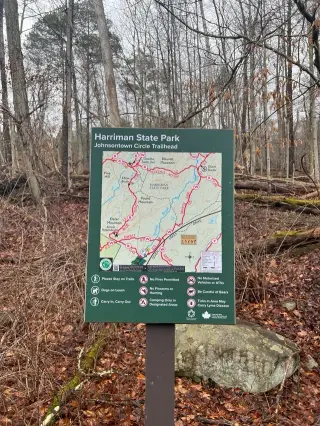
WorldAtlas has released a ranking of the ten U.S. state parks with the highest risk of tick-borne illnesses, driven by dense tick habitats and high visitor volumes. Harriman State Park in New York ranks third, following Pine Grove Furnace in Pennsylvania and Green Lakes in New York. The list highlights parks in the Northeast, mid-Atlantic, and upper Midwest where deer, mice, and infected blacklegged ticks overlap. While the primary source from VINnews only provided the headline, secondary sources detail the rankings and prevention strategies, emphasizing that these parks remain accessible if visitors use protective measures.
A 30-year study in New York’s Hudson Valley reveals that acorn abundance, not deer populations, is the strongest predictor of Lyme disease risk. White-footed mice, which thrive on acorns, drive tick numbers, while other animals dilute infection rates. Extreme temperatures do not significantly reduce tick survival, challenging previous climate assumptions.