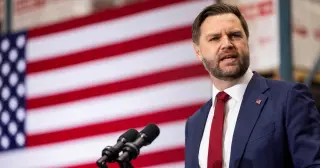
Montana voters approved Initiative 194, a measure that strips corporations of the legal power to spend money on elections. The law, which takes effect in January 2027, faces immediate First Amendment lawsuits and could set a national precedent if it survives judicial review.
Texas voters are receiving racially charged text messages targeting Democratic U.S. Senate candidate James Talarico. The messages, which ask recipients if they are white, are linked to an attack website funded by the American Political Action Committee. Talarico’s allies condemn the tactic as a regression to 1980s-style racial politics, while experts note it reflects a surge in out-of-state spending in the competitive race.
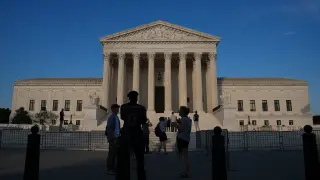
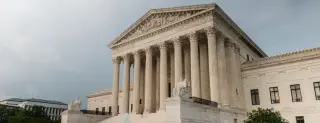
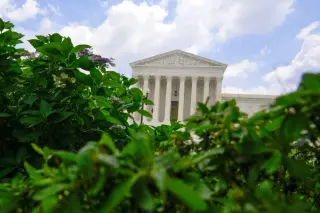
The Supreme Court, in a 6-3 ruling, struck down federal limits on how much political parties can spend in coordination with nominees, overturning a 2001 precedent and expanding spending freedom under the First Amendment. The decision lets parties coordinate more with candidates and access discounted broadcast ad time within 60 days of elections, a shift that could bolster Republicans ahead of the midterms. Dissenting justices warned it undermines democratic integrity, while supporters argue it enhances participation amid rising outside spending since Citizens United.
The Supreme Court struck down limits on party spending in federal elections, ruling in favor of a Republican appeal and expanding how political parties can financially influence federal races.
The Supreme Court, in a 6-3 decision authored by Justice Kavanaugh, struck down longstanding federal limits on how much national party committees can spend in coordination with candidates, ruling such caps violate the First Amendment. The ruling lets parties spend unlimited money in coordination with candidates while independent expenditures remain unrestricted but must be separate from campaigns. Republicans cheered, arguing the decision levels the playing field, while Democrats warned it empowers billionaires and special interests. The change follows decades of rollback of campaign-finance rules since Citizens United and could boost party spending in the 2026 elections; the old caps—up to about $4 million for Senate races and around $127,000 for large House seats—no longer constrain coordinated spending.
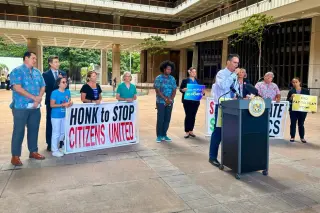
Hawaii lawmakers introduced a bill to limit corporate spending in political campaigns, aiming to reduce corporate influence in elections in response to the Citizens United ruling.
Hawaii's Legislature approved a first-in-the-nation bill to strip corporations of the power to spend money in state elections, challenging the Citizens United ruling. SB 2471 goes to Governor Josh Green with an expected 2027 effective date if signed; supporters say it protects democracy from corporate influence, while opponents warn of legal challenges and potential costs. The measure includes a safeguard to unbind Hawaii corporations if courts narrow its scope, reflecting ongoing concern over dark money and foreign influence in politics.
The Supreme Court is reviewing a case brought by Republicans challenging restrictions on party committees' coordinated spending with candidates, which could potentially overturn a 2001 ruling and further weaken campaign finance limits, amid ongoing debates over free speech and political influence.
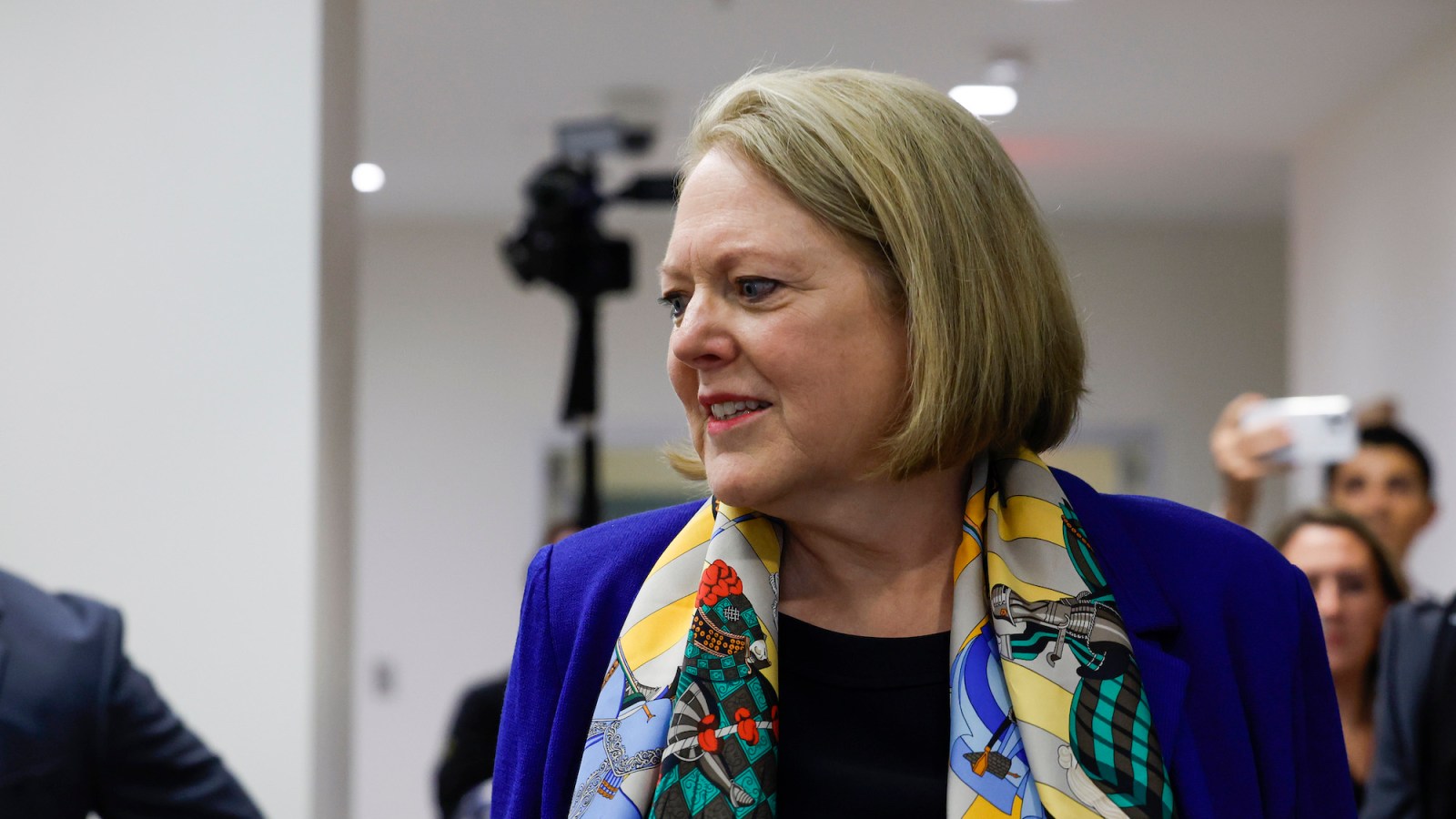
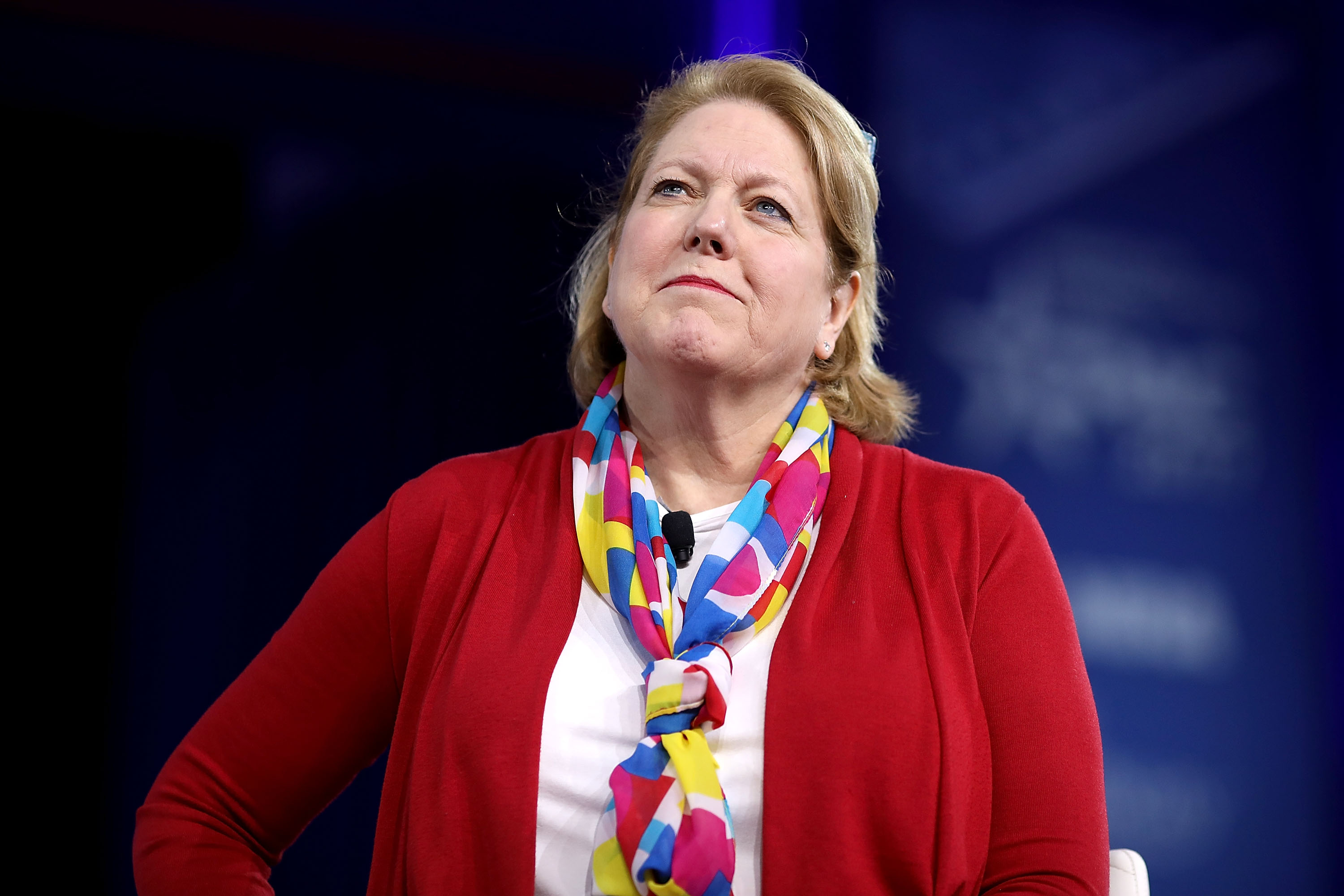
Ginni Thomas, wife of Supreme Court Justice Clarence Thomas, and conservative activists strategically created a non-profit group to exploit the Citizens United ruling, which designated money as political speech. Thomas collaborated with Federalist Society leader Leonard Leo to advance the conservative agenda, including overturning laws on abortion and affirmative action. The funding for their efforts came from Harlan Crow, a billionaire known for his fascination with Nazi memorabilia. Thomas faced scrutiny for her relationship with Crow, who provided initial donations for their group, Liberty Central. Thomas later created a for-profit consulting business, and Leo used a dormant tax-exempt group to pay her. Questions have been raised about the nature of Thomas' services and the financial reporting of the tax-exempt group.
An investigation reveals how Ginni Thomas, the wife of Supreme Court Justice Clarence Thomas, collaborated with conservative activist Leonard Leo to create a nonprofit, Liberty Central, that aimed to dismantle the Obama administration's healthcare agenda. The investigation also uncovers financial support from billionaire Harlan Crow and raises questions about the nature of Thomas' consulting business and the activities of tax-exempt nonprofits associated with Leo. As questions about ethics on the Supreme Court continue to arise, the Virginia election is seen as a test run for both parties' messaging ahead of 2024, with Democrats focusing on abortion rights and "MAGA extremists."