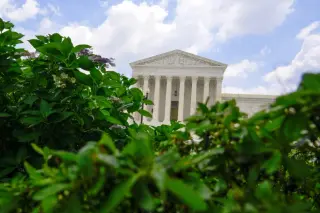
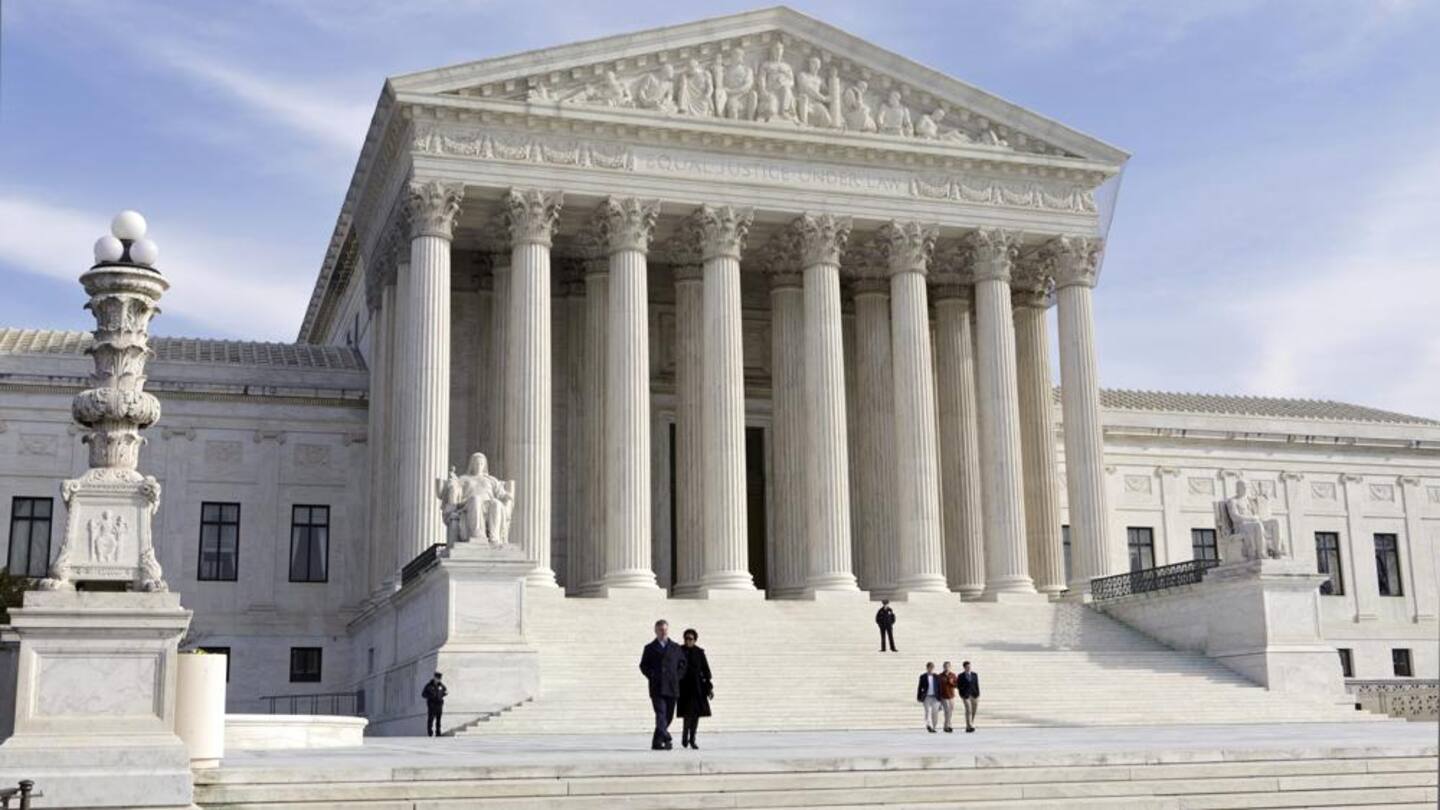
The Supreme Court struck down limits on party spending in federal elections, ruling in favor of a Republican appeal and expanding how political parties can financially influence federal races.
USPS proposed federal rules requiring states to share voter-level data (names, addresses, and per-ballot barcodes) for mail-in/absentee ballots in federal elections, to track ballots and create a state-by-state participation list via a new Federal Ballot Mail Portal; the rules would apply to federal elections (not primaries or overseas ballots) and follow President Trump's March executive order, with the Federal Register publication slated for June 2 and a 30-day public comment period; a judge previously declined to block the order’s mail-voting provisions while the process continues.
The Safeguard American Voter Eligibility Act would require documentary proof of U.S. citizenship to register to vote in federal elections. If enacted, it could largely restrict voter registration for many Americans, as Senate Republicans push for a floor vote amid opposition from Democrats and concerns about disenfranchisement.
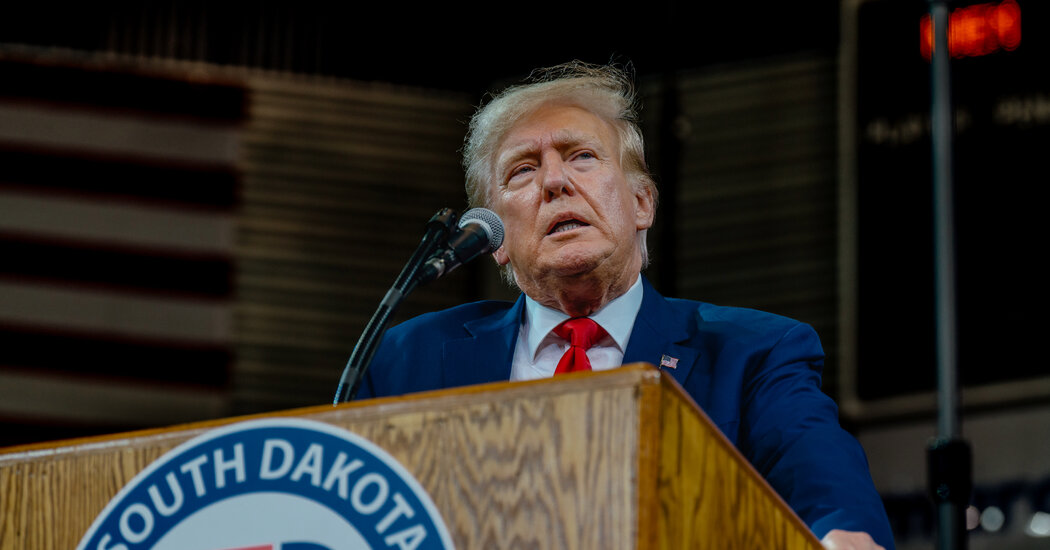
Lawyers for former President Donald Trump have requested the recusal of Judge Tanya S. Chutkan, who is overseeing his trial on charges of attempting to overturn the 2020 election, claiming that she has shown bias against him in public statements made in other cases. The motion argues that Judge Chutkan's statements undermine her ability to administer justice neutrally and dispassionately. This move is seen as risky, as the judge will decide whether to grant the recusal motion. Trump's legal team has previously attempted and failed to have another judge step aside in a separate trial.
The Supreme Court ruled that state courts can act as a check on their legislatures in redistricting and other issues affecting federal elections, rejecting arguments by North Carolina Republicans. The decision upholds a ruling by North Carolina's top court that struck down a congressional districting plan as excessively partisan under state law. While the practical effect of the decision is minimal due to a new Republican majority in the North Carolina Supreme Court, the ruling leaves room to challenge state court rulings on federal election issues. The case attracted attention as it could have had broader implications for election oversight and political polarization.