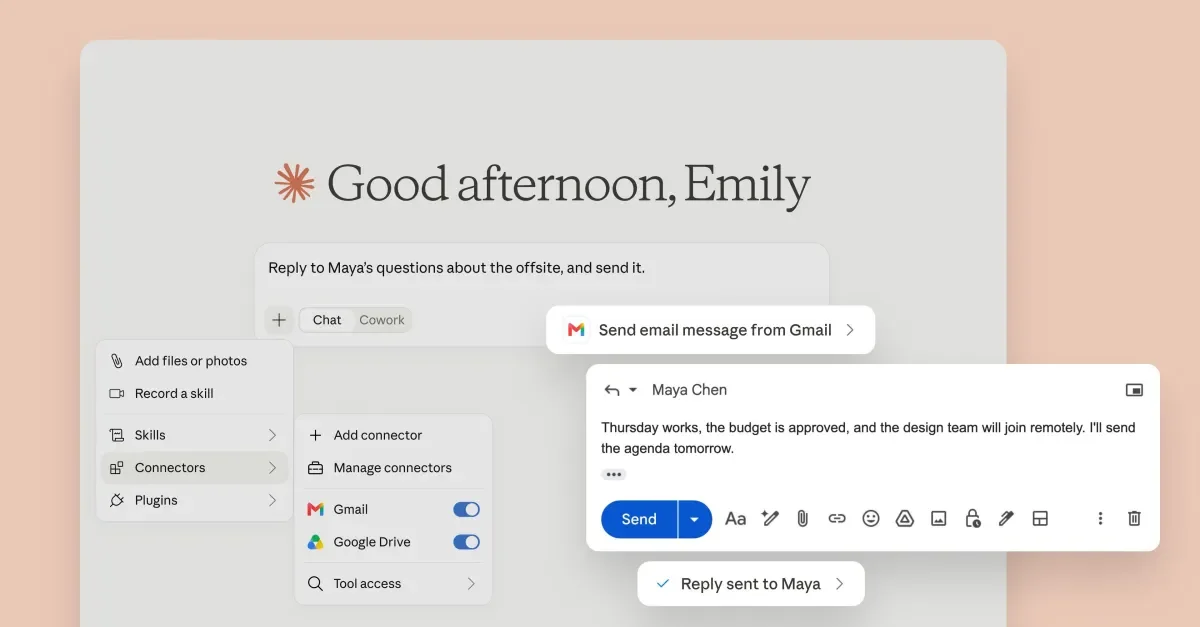
Anthropic says Claude Cowork access is now available on mobile and web for all paid accounts, and Google Workspace connectors for Claude can now send Gmail messages and manage Google Drive files.
Security researchers found a sandbox escape in Anthropic's Claude Cowork on macOS, called SharedRoot, which could let an attacker read and write files anywhere on the Mac and access login credentials. About 500,000 macOS users with local Coop sessions were affected before patches, and some remain at risk. New Claude Cowork versions run in the cloud by default, but those running locally should harden configs (disable unprivileged namespaces, restrict filesystem sharing, and run the daemon with strict mount protections) to mitigate exposure.
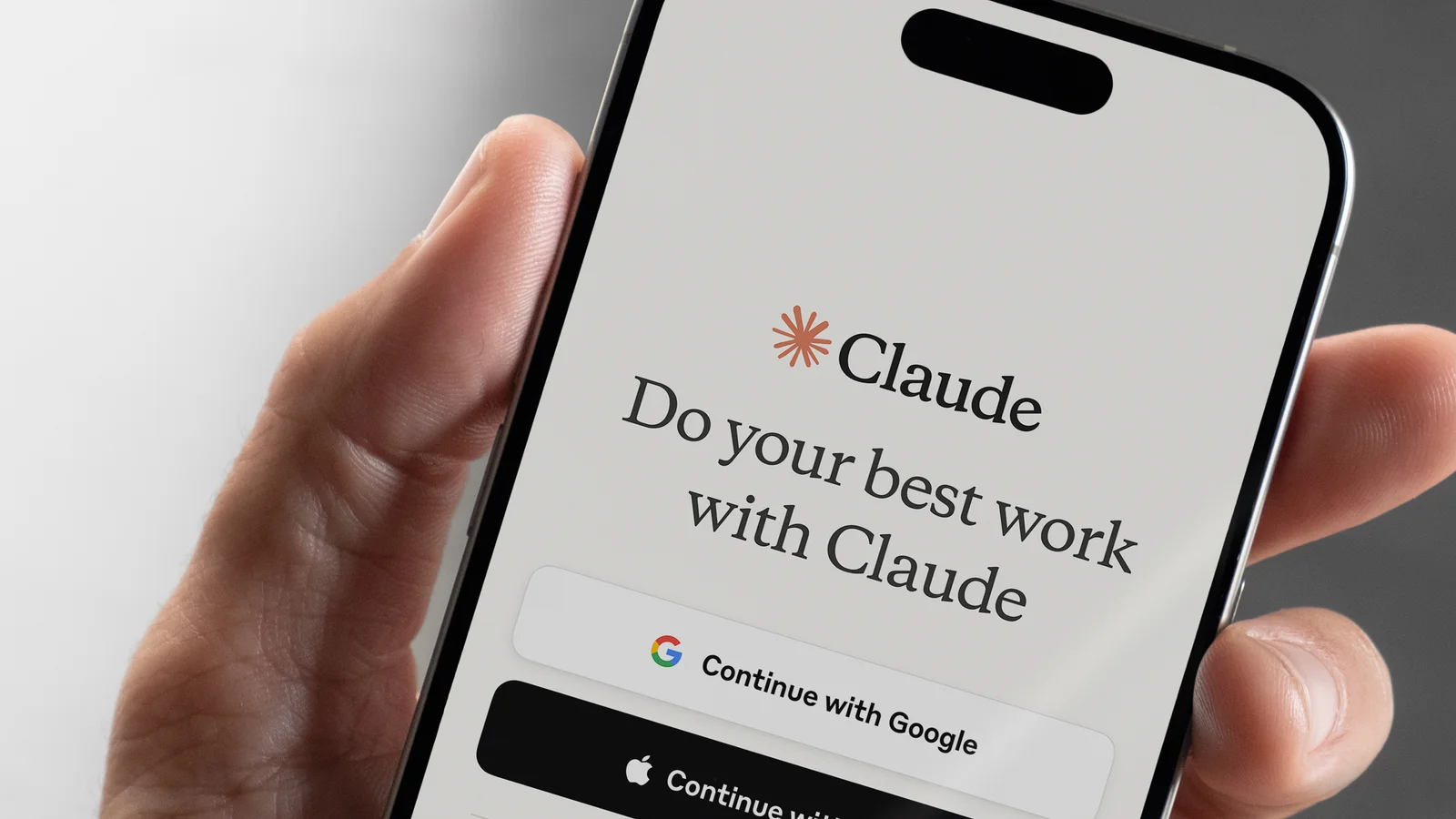
Anthropic is bringing Claude Cowork to mobile and the web, enabling Claude to start and monitor tasks across web, desktop, and mobile apps. It can run in the cloud and finish tasks even when a device is offline, with a combined Claude chat/Cowork view now on all platforms and doubled Cowork usage limits through August 5.
Anthropic is bringing Claude Cowork to web and mobile, enabling cloud-based task automation. After analyzing 1.2 million sessions, the company says more than 90% of Cowork usage isn’t coding, with about half devoted to business processes and content creation (roughly 33.4% operations and 16.4% copywriting). Desktop remains the full Cowork experience, but cloud/web/mobile access is expanding to more plans, with doubled usage limits extended through Aug. 5 to celebrate the launch.
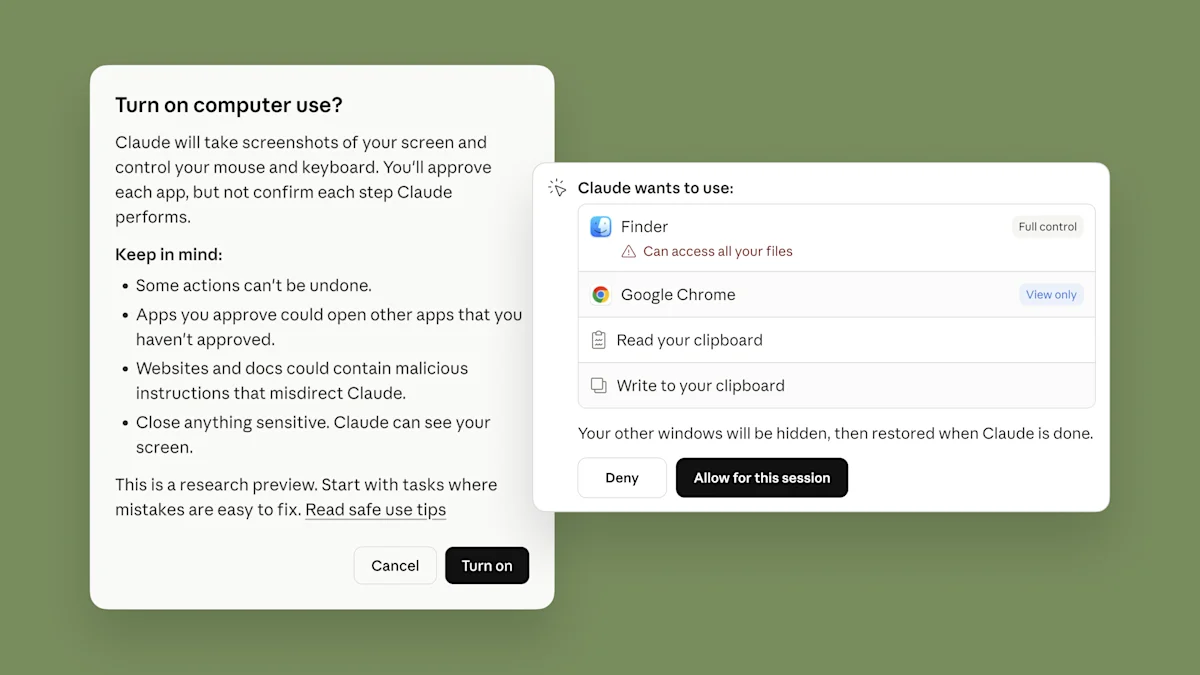
A Tom’s Guide feature tests Claude’s Cowork and Dispatch features, which let Claude control and run tasks on your computer from your phone. Dispatch lets you issue tasks from mobile that execute on your desktop, requiring Claude Pro/Marx and the latest Claude Desktop, and it can interact with files, apps and services. Setup involves enabling computer use with appropriate permissions, keeping the computer awake, and reviewing results for accuracy. It signals a shift toward AI-driven delegation, saving time, but it’s early, not always perfect, and depends on user setup.
Anthropic says Claude Code and Claude Cowork will support on-device task execution on macOS in a research preview for Claude Pro and Claude Max, enabling the AI to open files, browse, and run developer tools. It will first connect to supported services (e.g., Google Workspace or Slack) but can operate if no connector is available, and it should ask for permission before acting. The feature is for non-sensitive data and will work with Anthropic’s Dispatch for cross‑device conversations.
Microsoft launches Copilot Cowork, an autonomous AI agent built with Anthropic that can read and act on your files, email, and calendar to complete tasks like creating spreadsheets, running reports, and researching without direct supervision. Rolling out as a limited research preview, Copilot Cowork pairs with Agent 365, which will be generally available May 1, and will incorporate AI models from Anthropic and OpenAI. The move underscores the rise of agentic AI in the workplace, even as it stirs concerns about job impact.
Anthropic updated Claude Cowork to connect with Google Workspace, Docusign, and WordPress and added pre-built plugins to automate tasks across HR, design, engineering, and finance, including end-to-end Excel and PowerPoint workflows; the features roll out to paid Cowork subscriptions this week.
Anthropic unveiled Claude Cowork, an AI assistant capable of reading files, organizing folders, and drafting documents, plus new industry-specific plugins. The launch sparked a selloff in software and data-analytics stocks as investors fear AI could disrupt the software-as-a-service model, though analysts say the move may be sentiment-driven and could normalize once AI benefits prove measurable.
Vox’s Future Perfect explains Anthropic’s Claude Code—an AI tool that can edit code and run tasks inside a project—and Claude Cowork for non-code work, describing how it works from command-line style use to plain-English prompts, what it can do (fix bugs, add features, run tests, iterate), and the risks (data loss, leaked secrets, rate-limit abuses). The piece argues this “AI coworker” could blur lines between coding and management, potentially turning remote workers into AI‑agent managers and prompting a shift in how white‑collar work is organized, while emphasizing careful use and backups.
Anthropic introduced Claude Cowork, a general AI agent that can read, manipulate, and generate files on a user’s computer and draft documents, extending Claude Code to non-technical users. Available as a research preview to Max subscribers ($100–$200/month), Cowork positions Anthropic against enterprise tools like Microsoft Copilot, offering use cases like reorganizing downloads and turning receipts into spreadsheets, while highlighting ongoing risks from prompt-injection and the broader debate about AI agents reshaping startup ecosystems.
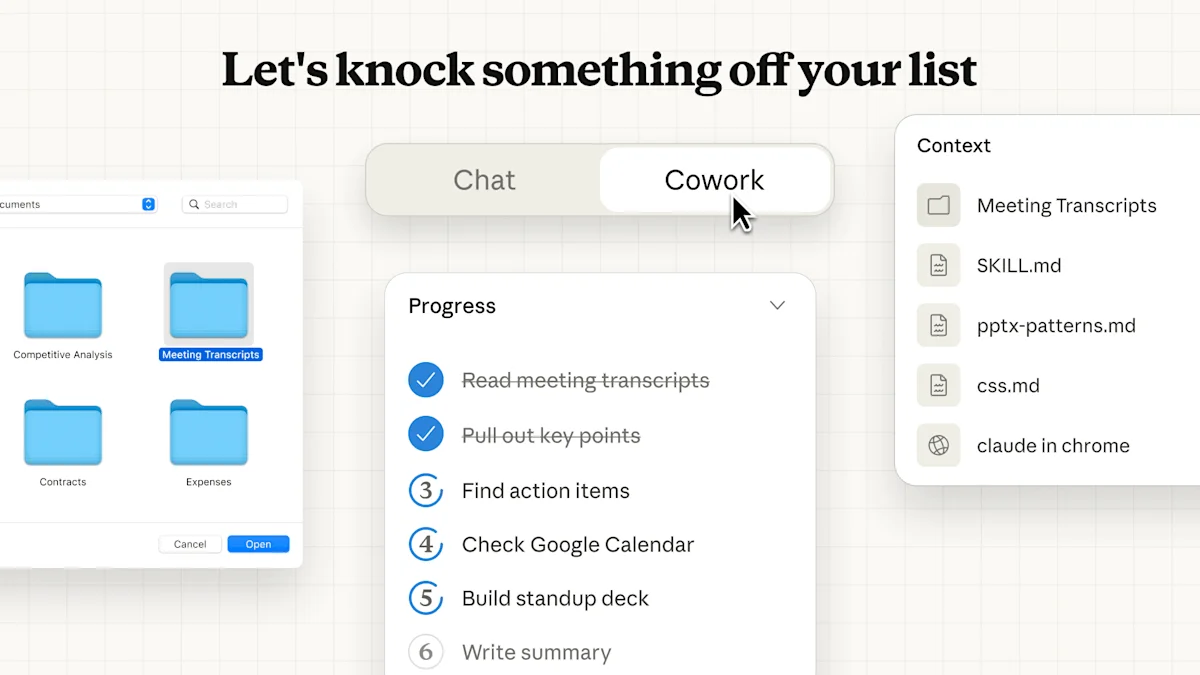
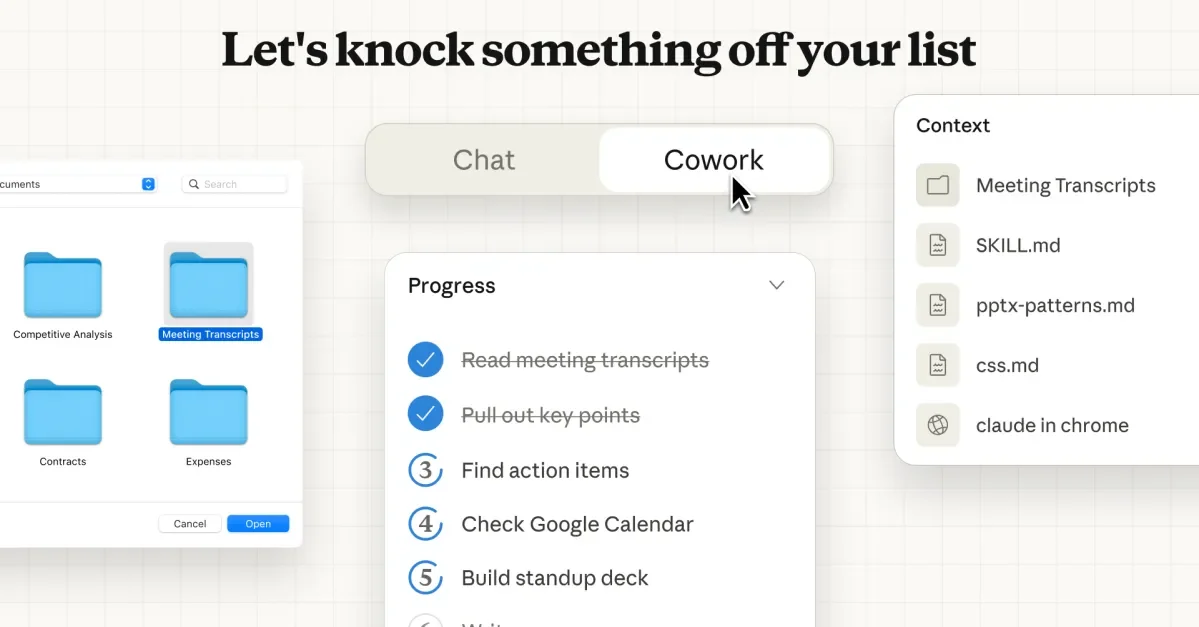
Anthropic is unveiling Claude Cowork, a preview that lets non-developers use Claude to manage files in a folder, rename and organize downloads, convert receipts to spreadsheets, and even browse websites via a Chrome plugin and the Connectors framework. Tasks can be queued and run in parallel with minimal context required, but Claude can take destructive actions only with explicit access. For now, Cowork is limited to Claude Max subscribers on Mac (via the Claude macOS app) with a waitlist for others.
Anthropic unveiled Claude Cowork, a research-preview feature that lets Claude access a folder on your Mac to read, edit, or create files for non‑coding tasks, and to link with external tools (e.g., Asana, Notion) or Claude in Chrome. Available now to Claude Max subscribers ($100–$200/month) via the macOS app, with a waitlist for others. It builds on Claude Skills to expand AI agent capabilities while flagging safety risks like potentially destructive actions and prompt-injection concerns.