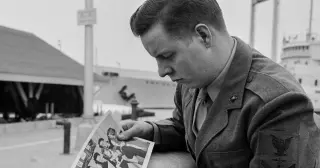
DNA testing identified the remains found in a car in the Columbia River as Kenneth, Barbara, and Barbie Martin, the Oregon family missing since 1958. Authorities said there was no evidence of foul play and closed the case, with the car having been recovered from the river years after their disappearance.
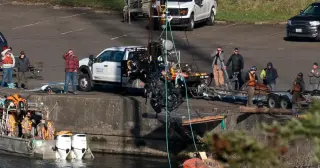
DNA analysis confirmed the remains in a car submerged in the Columbia River are Kenneth Martin, Barbara Martin, and their daughter Barbie, the Oregon family who vanished in December 1958; authorities found no evidence of foul play. The Ford wagon was located in 2024 and recovered in following years, with Othram handling the forensic work, and two of the family’s children had been found years earlier while the other members never turned up.
DNA analysis identified the remains found in a car wreck in the Columbia River as Kenneth, Barbara, and Barbie Martin, solving the Oregon family’s 1958 disappearance. Two of the children had been found earlier; the car was recovered after sediment encasement made retrieval partial. Investigators found no evidence of foul play after the identification.
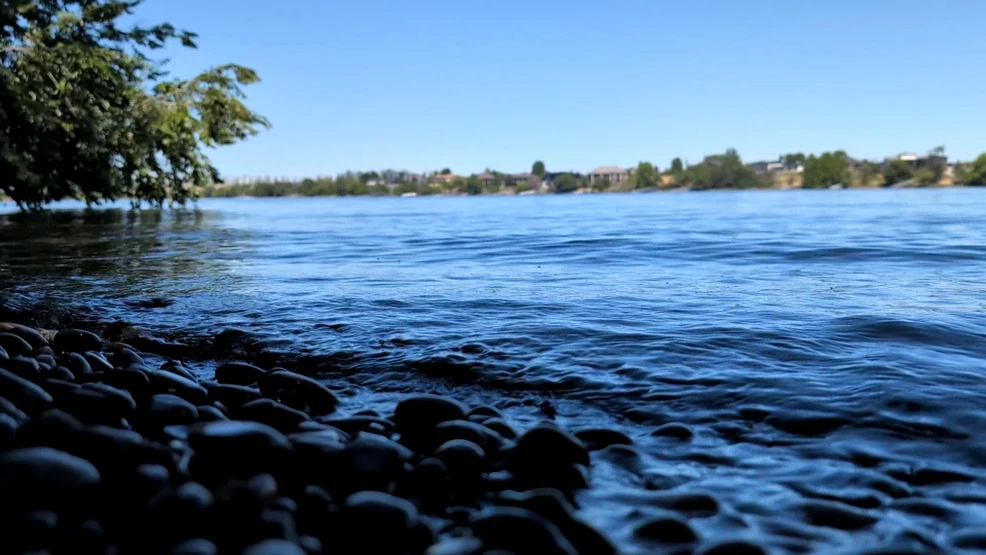
Swimmer's itch, a skin rash caused by parasites from infected snails, has been reported in the Tri-Cities area along the Columbia River. It is not contagious and typically resolves on its own, but precautions such as avoiding marshy areas and showering after swimming are recommended.
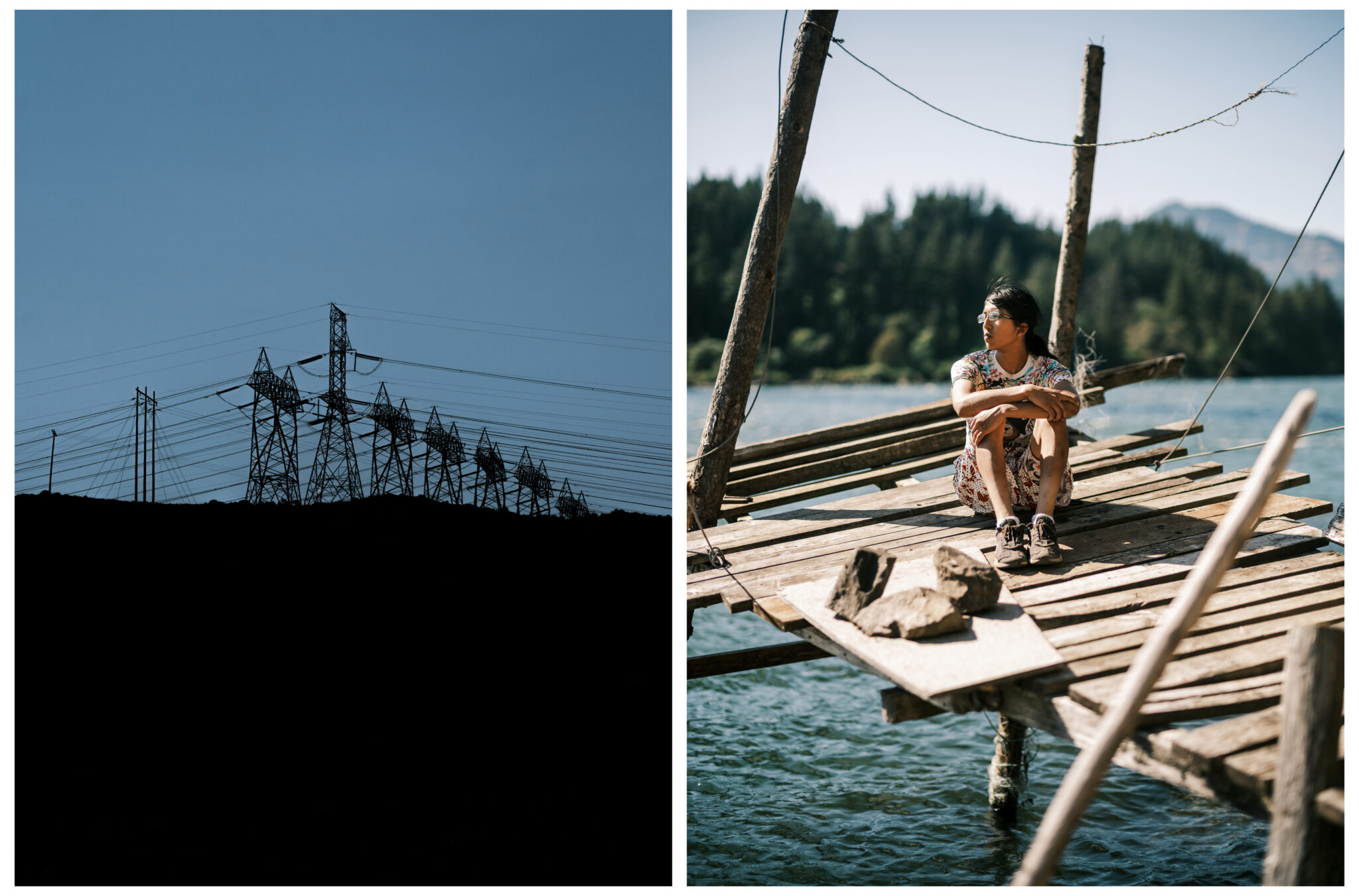
President Trump withdrew the U.S. from a 2023 agreement aimed at restoring salmon populations in the Columbia River Basin, citing concerns over energy resources and climate change, despite opposition from tribes and environmental groups who see it as a setback for fish conservation and regional progress.
The Biden administration has committed over $200 million to fully fund Native tribes' plans to reintroduce salmon in the upper Columbia River basin, more than 80 years after the construction of the Grand Coulee Dam rendered the fish extinct in parts of Washington, Idaho, and British Columbia. This unprecedented federal support is a course correction from previous resistance by some federal agencies to tribal salmon restoration efforts. The tribes' long-term plan involves building hatcheries, releasing fish into waters above the dam, and developing techniques to pass fish safely around the dams. The agreement also recognizes the federal government's violations of tribal fishing rights and aims to rectify past wrongs.