Camp Mystic in Texas filed for Chapter 11 bankruptcy after catastrophic floods killed 28 people at the girls’ camp. Weeks of testimonies and investigations highlighted serious gaps in flood emergency planning and staff training, leading to halted reopening plans and renewed calls for safety improvements from families and lawmakers.
The SEC filed a civil complaint against Nathan Fuller, founder of Privvy Investments (and Gateway Digital Investments), alleging he raised about $12.3 million from roughly 150 investors across nine states and two foreign countries by promising proprietary AI bots would perform high-frequency crypto arbitrage with 40%–50% returns, but the bots did not function as advertised. The commission says only about $380,000 was spent on actual crypto purchases, while Fuller misappropriated at least $6.2 million for personal expenses and forwarded about $5.5 million to earlier investors in a Ponzi-like scheme. He allegedly faked a Texas money-transmitter license and insurance, and used ChatGPT to draft a bogus KYC letter via a shell firm to quiet withdrawals. Fuller had previously admitted in bankruptcy proceedings that Privvy was a Ponzi scheme. The SEC is seeking injunctions, disgorgement with prejudgment interest, civil penalties and a bar from securities offerings.
A Texas judge heard emotional testimony about Camp Mystic’s flood response during deadly July floods that killed at least 116 people, including 28 campers and staff, with lawsuits alleging negligence and questions about preparedness. Directors described limited means to contact campers and missed warnings, amid questions about battery-powered alerts and a policy restricting devices. The Steward family’s suit is one of several, and the Texas Rangers are reviewing hundreds of complaints; a ruling on a temporary injunction to cordon flooded areas is expected as Camp Mystic plans to reopen in May.
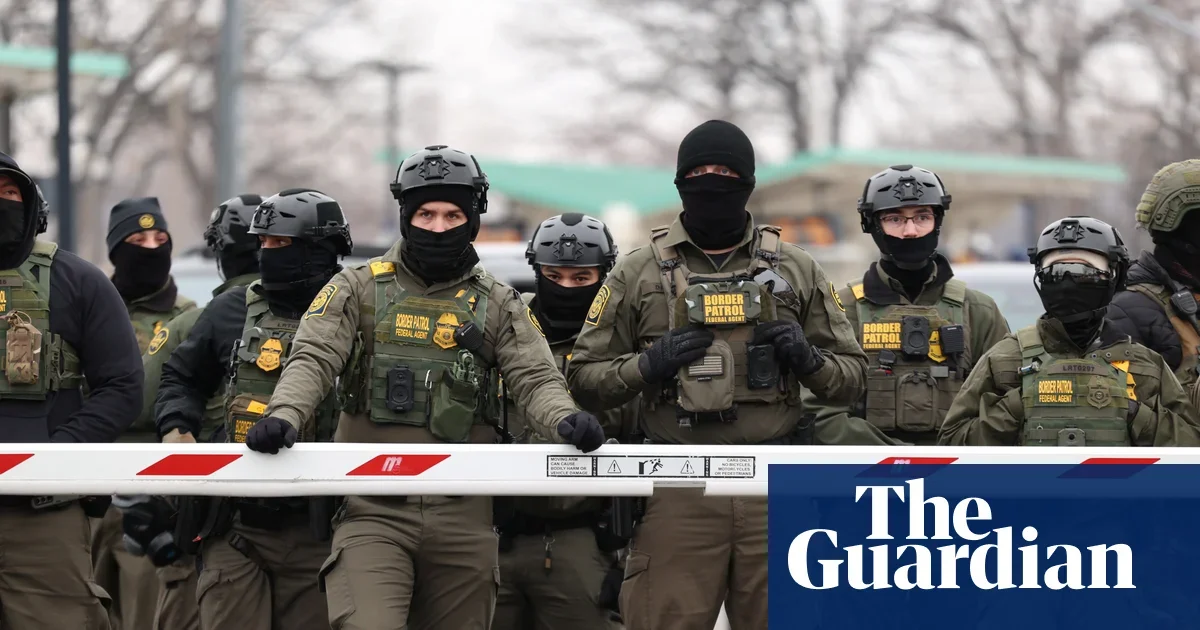
New court filings claim ICE lawyers falsely cited a May memo to justify arresting thousands of people who attended immigration court hearings, saying the memo did not authorize such arrests; the revelation arises in a NYCLU-led lawsuit challenging ICE’s practice of detaining noncitizens after hearings.
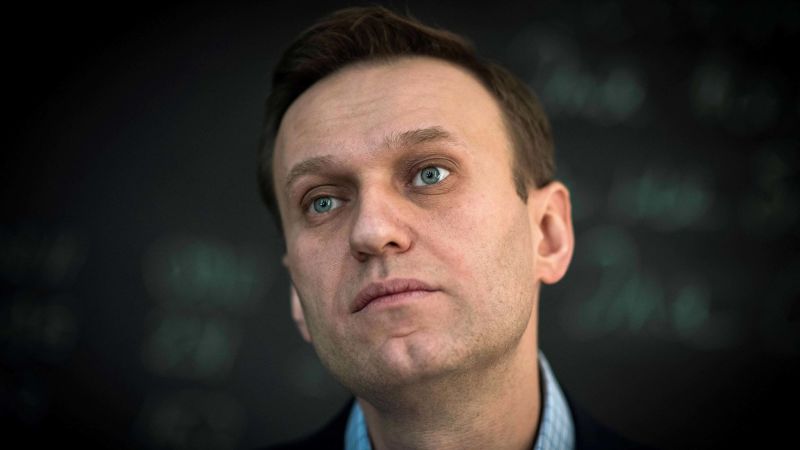
Concerns are growing for the well-being of Russian opposition leader Alexey Navalny after he failed to appear at court hearings and his team lost contact with him. Navalny, who is currently serving multiple sentences, including a 19-year term, claims his arrest and incarceration are politically motivated to silence his criticism of President Vladimir Putin. His lawyers have made inquiries with detention centers across Russia to determine his whereabouts, while the United Nations Special Rapporteur on human rights in Russia has expressed concern over Navalny's disappearance and the lack of access to medical care. The rapporteur called for his immediate release and for Russian authorities to uphold their international human rights obligations.
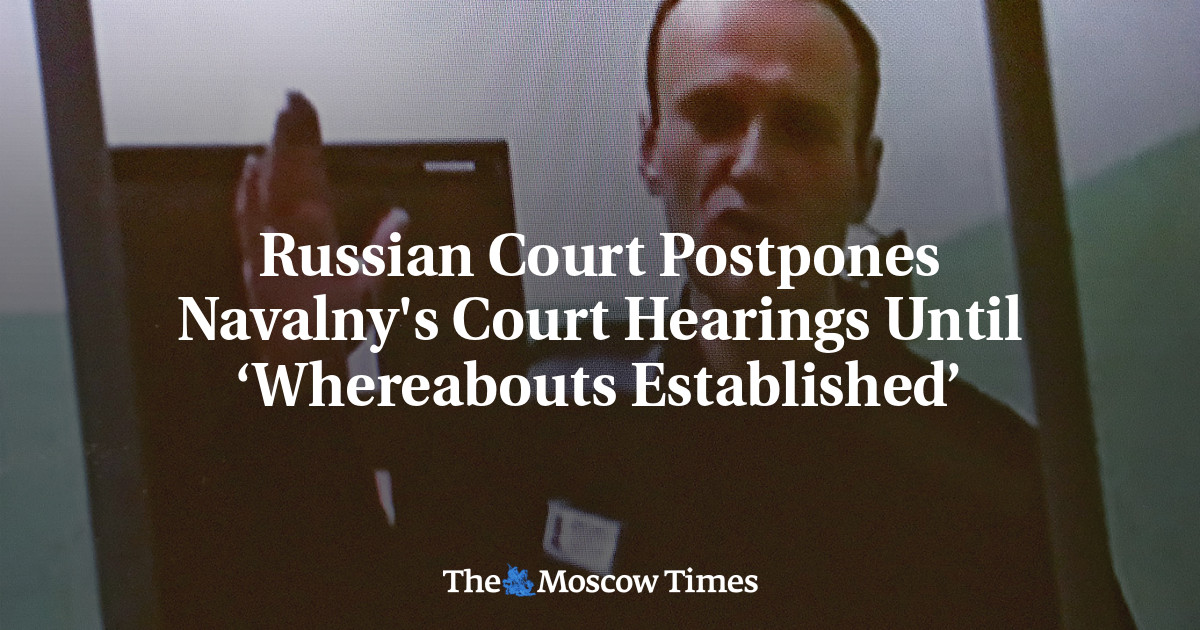
A Russian court has postponed Alexei Navalny's court hearings until his whereabouts are established, following his disappearance in the prison system. Navalny's team sent inquiries to over 200 pre-trial detention centers across the country to locate him. The court in the Vladimir region, where Navalny was serving a prison sentence, postponed the hearings. Concerns have been raised about his well-being and the UN Special Rapporteur on Human Rights in Russia called for his immediate release and disclosure of his whereabouts.