Trump’s memecoin saga left nearly 1 million investors about $3.8 billion poorer as the coin tumbled 97% from a peak of $75.35 to around $1.76, while Trump reportedly netted roughly $636 million from the venture and related crypto products, amid ongoing scrutiny and a debate over potential Ponzi-like schemes.
Reuters’s analysis, cited by Gizmodo/io9, finds the Trump family generated at least $2.3 billion in profit from Trump‑linked crypto since the presidency, while investors lost about $2.3 billion; most profits reportedly came from WLFI, World Liberty Financial’s governance token, with the Trumps taking a 75% cut and holding about 60% of the company, though WLFI says it is not an investment product. The token has fallen from roughly $0.31 to $0.05, and other Trump‑linked assets like the $Trump memecoin are noted. The piece also touches on investor types, legal disputes, and backing from entities such as AI Financial. Overall, it presents a symmetrical but troubling portrait of meme‑crypto where a political family profits while ordinary investors incur losses.
The US Commodity Futures Trading Commission approved listing of a bitcoin perpetual futures contract on registered exchanges—the first of its kind in the US—with other assets to be reviewed case by case. The move follows Hyperliquid’s rapid offshore growth, notably in oil-linked contracts spurred by the Iran war, and signals regulators’ closer scrutiny of 24/7, high‑leverage trading. It could prompt regulated rivals like Kalshi, Coinbase, and ICE to offer similar products, while concerns about leverage, price manipulation, and access for US traders persist.
The Daily Beast reports that the Trump family’s wealth is booming through crypto and prediction markets as the CFTC retreats from enforcement; Don Jr. sits on Polymarket and advises Kalshi, Polymarket’s value has surged, and GOP lawmakers are blasting an $1.8B Jan. 6 payouts fund while the White House seeks a multibillion underground bunker budget—highlighting moneyed influence and growing intra‑party division.
Trump-affiliated crypto ventures face mounting pressure: World Liberty Financial is sued by Justin Sun; the CLARITY Act could add ethics provisions that would curb Trump’s crypto profits while in office; Alt5 Sigma Corp. has seen leadership changes and a steep stock decline; Democrats are urging ethics scrutiny amid a broader industry push for regulatory clarity and concerns over centralization.
Tickets for Trump's Mar-a-Lago VIP memecoin event have fallen by more than 80% to about $539,000, with almost 300 winners investing a median that amount—far below last year's $3.28 million—as the $TRUMP token has cratered, fueling ethics concerns, lawmakers' questions, and lawsuits surrounding the project.
Bitcoin rose to about $72,800, up roughly 6.7%, defying selloffs tied to Iran tensions as Ethereum and XRP also gained; Trump endorses the Clarity Act for digital assets, while gold fell and stock markets swung, highlighting crypto's resilience amid geopolitical risk.
Bitcoin, Ethereum and XRP fell as an AI scare weighed on markets, with Bitcoin slipping below $65,000 after a Citrini Research note warned AI could push U.S. unemployment into double digits by mid-2028, underscoring how crypto prices remain sensitive to broader equity moves.
Bitcoin slipped about 4% to roughly $64,443 as Trump announced a 15% global tariff under a 1974 Trade Act provision, injecting policy uncertainty. Since the start of 2026, bitcoin has fallen about 25%, gold futures rose around 2.9%, and crypto-related stocks like Robinhood and Strategy also declined on the tariff news, which Deutsche Bank framed as a temporary measure with potential legal challenges.
Bitcoin fell to about $64,830 in early trading, dropping nearly 5% from Sunday to Monday and hitting a weekend low of around $64,324 as investors pull back from risk assets amid tariff uncertainty and rising U.S.–Iran tensions; year-to-date, bitcoin is down about 24% while gold has gained roughly 20%.
A class-action lawsuit accuses Steve Bannon and Boris Epshteyn of promoting the Lets Go Brandon Coin memecoin as a serious financial project while allegedly exercising centralized control, misrepresenting its decentralization and real-world utility, and involving unregistered securities concerns; the coin was originally launched on Binance Smart Chain and is tied to broader political-crypto tensions under regulatory scrutiny.
A clerical error at South Korean crypto exchange Bithumb sent 620,000 BTC (about $43 billion) to 695 customers as a promotional reward instead of 2,000 won; withdrawals were restricted, roughly 99.7% of the funds have been recovered, and there was a brief price dip on the exchange. Bithumb emphasized there was no hacking or external security breach.
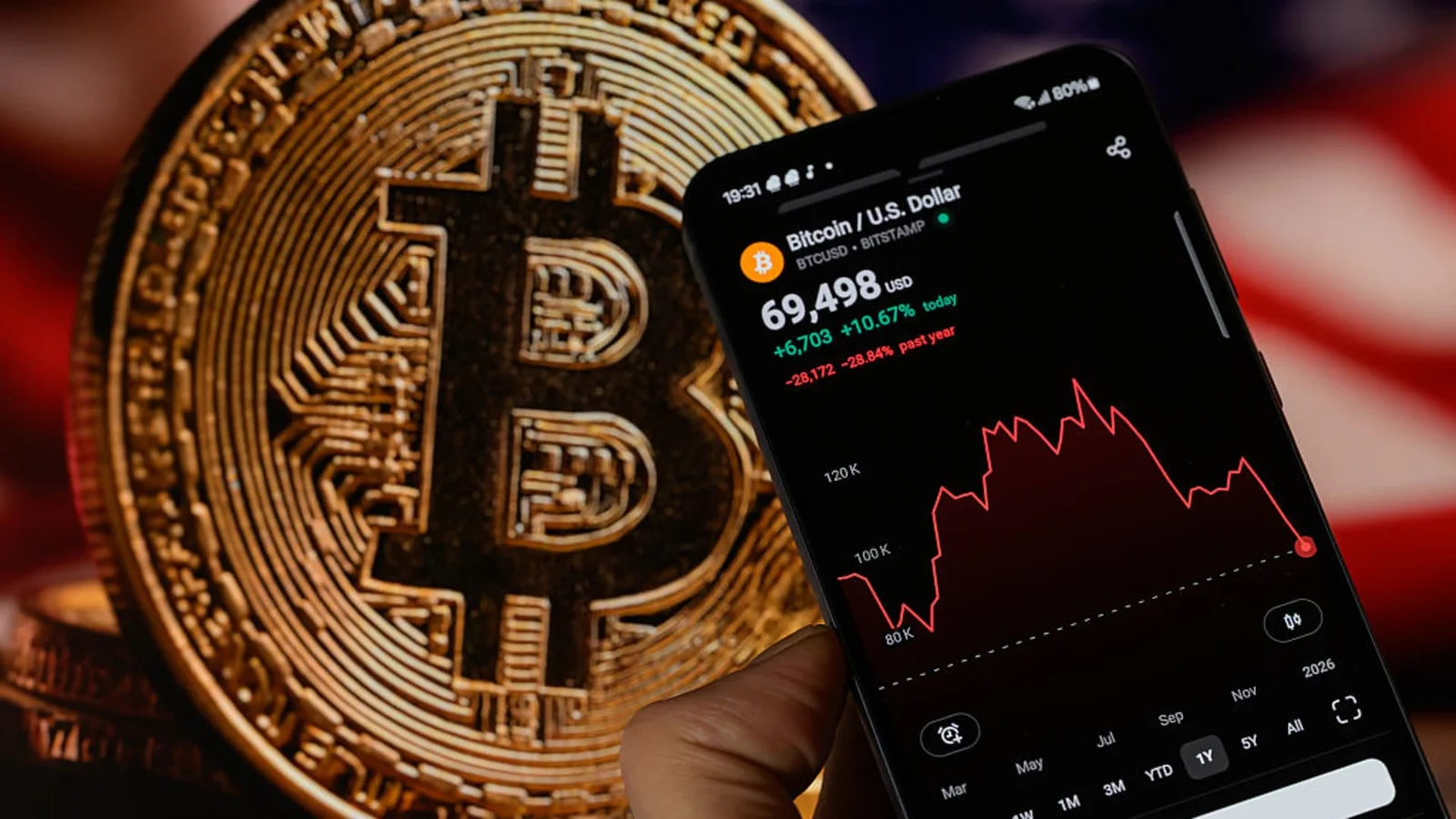
Bitcoin slid about 8% to around $67,000, below $70,000 for the first time since November 2024, as a tech-stock sell-off dragged crypto prices lower; ether fell about 9% to $1,950. The move erases gains from a Trump-era rally that had propelled Bitcoin to a peak above $125,000 last year, with investors shifting toward gold as enthusiasm waned and US crypto legislation stalls. Kalshi traders priced in roughly a 90% chance Bitcoin falls below $60,000 this year. Michael Saylor’s Strategy company fell about 13% on the day, and Gemini announced a plan to lay off about 200 employees to cut costs.
A UAE-linked investment firm tied to Sheikh Tahnoon bin Zayed Al Nahyan agreed to invest $500 million for a 49% stake in Trump-affiliated World Liberty Financial, with $187 million already paid, just days before last year's presidential inauguration, prompting Democrats to call the deal ‘mind-blowing corruption’ and raising national-security concerns over UAE access to Nvidia AI chips; the piece links this to prior crypto deals and ongoing regulatory debates around crypto in the Trump era.
President Trump’s pick to lead the Fed, Kevin Warsh, has crypto markets weighing a bitcoin–dollar dynamic: he’s praised bitcoin as “gold for anyone under 40” while also signaling a hawkish policy stance and maintaining ties to stablecoins and early bitcoin ETFs. The nomination sparked a price dip in bitcoin, but Warsh’s comments suggest crypto could inform policy and fit into broader discussions about stablecoins and CBDCs, all set against a backdrop of rising debt and questions about monetary dominance. It’s early to discern his exact policy path until he resumes duties at the Fed.