Despite hopes for a return to normalcy, COVID-19 continues to pose a threat as the Delta variant spreads and vaccination rates vary globally, emphasizing the ongoing need for public health measures and vigilance.
COVID-19 rates are increasing nationwide, but experts believe that the current surge is smaller and less severe compared to previous summers. The rise in cases is attributed to human behavior, such as increased travel and indoor activities. Vaccines, antivirals, masks, and improved care have transformed COVID-19 into a manageable disease. However, older and immunocompromised individuals remain the most vulnerable. Infection rates have climbed in several states, but the lack of up-to-date surveillance data makes it difficult to assess the current situation accurately. The EG.5 variant is on the rise, but it is not considered more dangerous than previous variants. The future trajectory of COVID-19 remains uncertain, but preventive measures such as proper ventilation, masking, and testing can help reduce transmission. Boosters may be recommended for certain high-risk groups, while the overall risk of severe outcomes has significantly decreased.
Two babies were born with brain damage as a result of COVID-19 virus crossing into their mothers' placenta, according to a study by the University of Miami. Both babies were born to young mothers who had tested positive for the virus in their second trimester during the peak spread of the Delta variant in 2020. While one child died at 13 months, the other was placed in hospice care. Neither of the babies tested positive for the virus, but they did have high levels of Covid antibodies in their blood, suggesting that the virus likely transferred from the mother to the placenta and then to the baby. The researchers urged women who were considering pregnancy to get vaccinated against COVID-19.
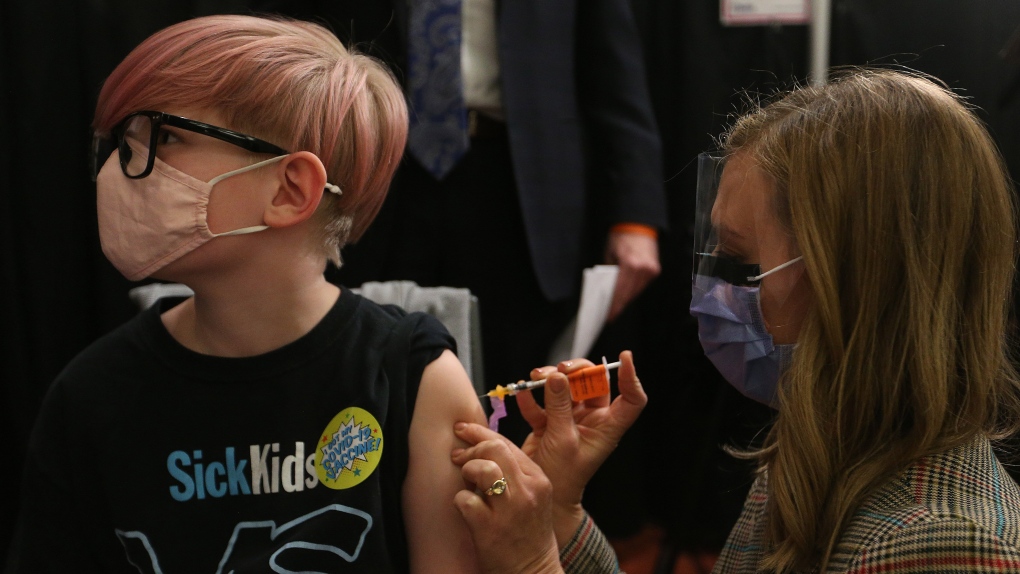
A Canadian study of over 1,400 children who contracted COVID-19 found that fever and cough were more associated with Omicron and Delta variants, but serious outcomes like hospitalization and ICU admission remained stable across all variants. Children infected with Omicron were more likely to have repeat emergency department visits compared to those infected with Delta. The study suggests that the virus is not getting milder in children, and understanding the clinical presentation of COVID-19 in children is needed to design therapeutic trials on this population.