The International Skating Union revoked Kamila Valieva’s neutral athlete status, barring her from international competition (including the Milan-Cortina Olympics) and ending her return after a history of doping sanctions and ongoing restrictions on Russian athletes competing under their flag.
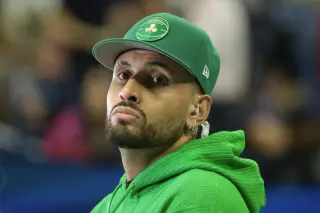
Ajla Tomljanovic questioned Nick Kyrgios’s reduction of his cocaine-related ban from three months to one month, highlighting perceived inconsistencies with other players such as Dan Evans (one year) and Omar Jasika (two years) and suggesting a possible new rule or uneven application; Kyrgios is now eligible to return after entering a treatment program, a point that drew additional comments from Brad Gilbert as the debate over punishment continues (Kyrgios has played only five events in 2026 so far).
Tottenham Hotspur sign Chelsea winger Mykhailo Mudryk on loan after a turbulent spell that included a meldonium-related doping ban; CAS resolved the case and allowed his return to competition in 2026, signaling a fresh start for Mudryk at Spurs.
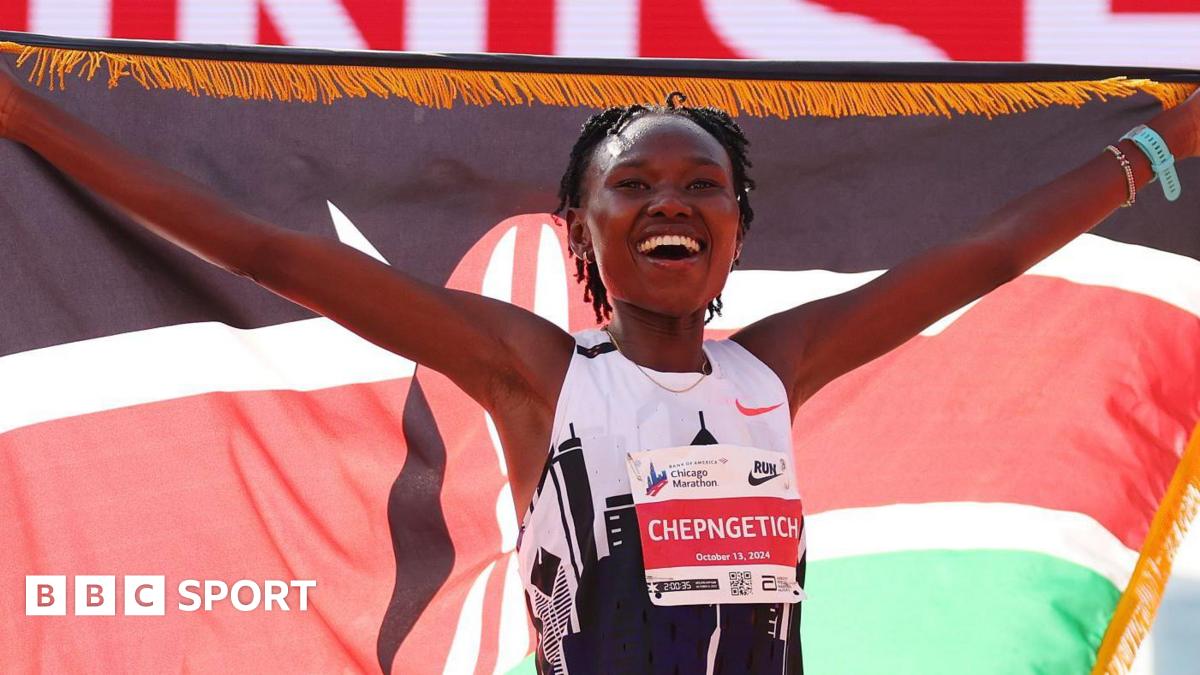
Kenyan marathon record-holder Ruth Chepngetich has been banned for three years after admitting to doping violations involving the banned diuretic HCTZ, with ongoing investigations into potential intentional doping based on evidence from her phone. Her achievements prior to the positive test remain valid, but her results since March 14 have been forfeited.
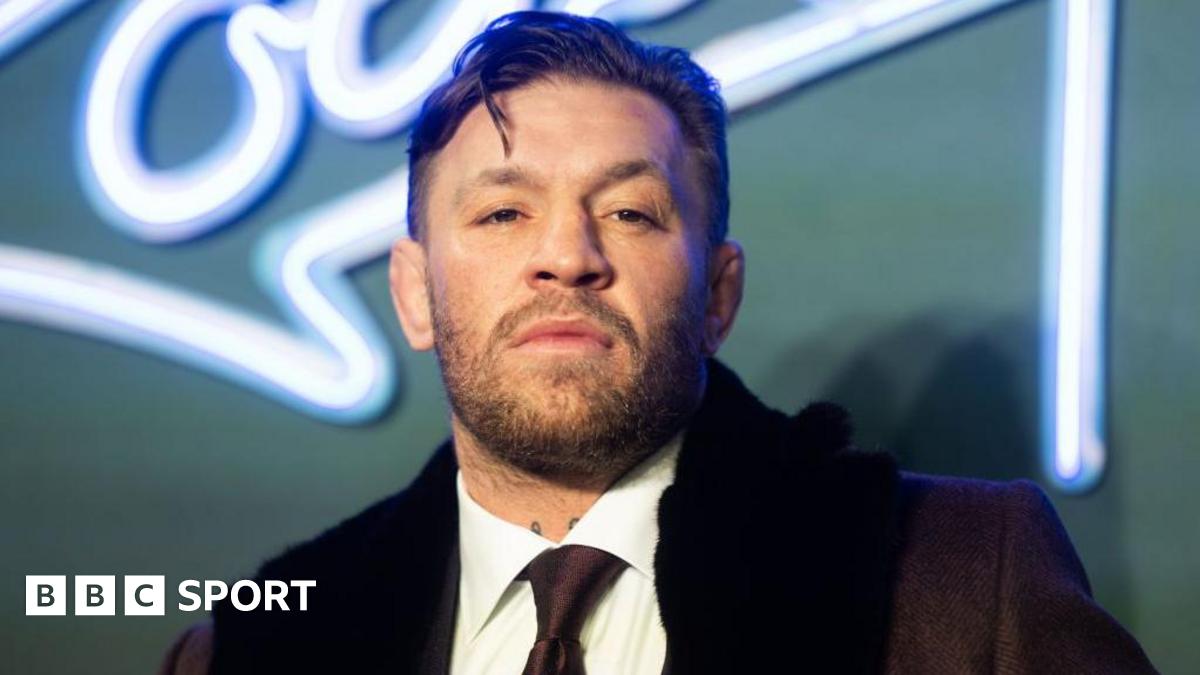
Conor McGregor accepted an 18-month ban for missing three doping tests in 2024, with the ban starting in September 2024 and ending in March 2026, after cooperating with investigations. The fighter, who has not competed since 2021 due to injury, also made headlines regarding potential fights and legal issues.
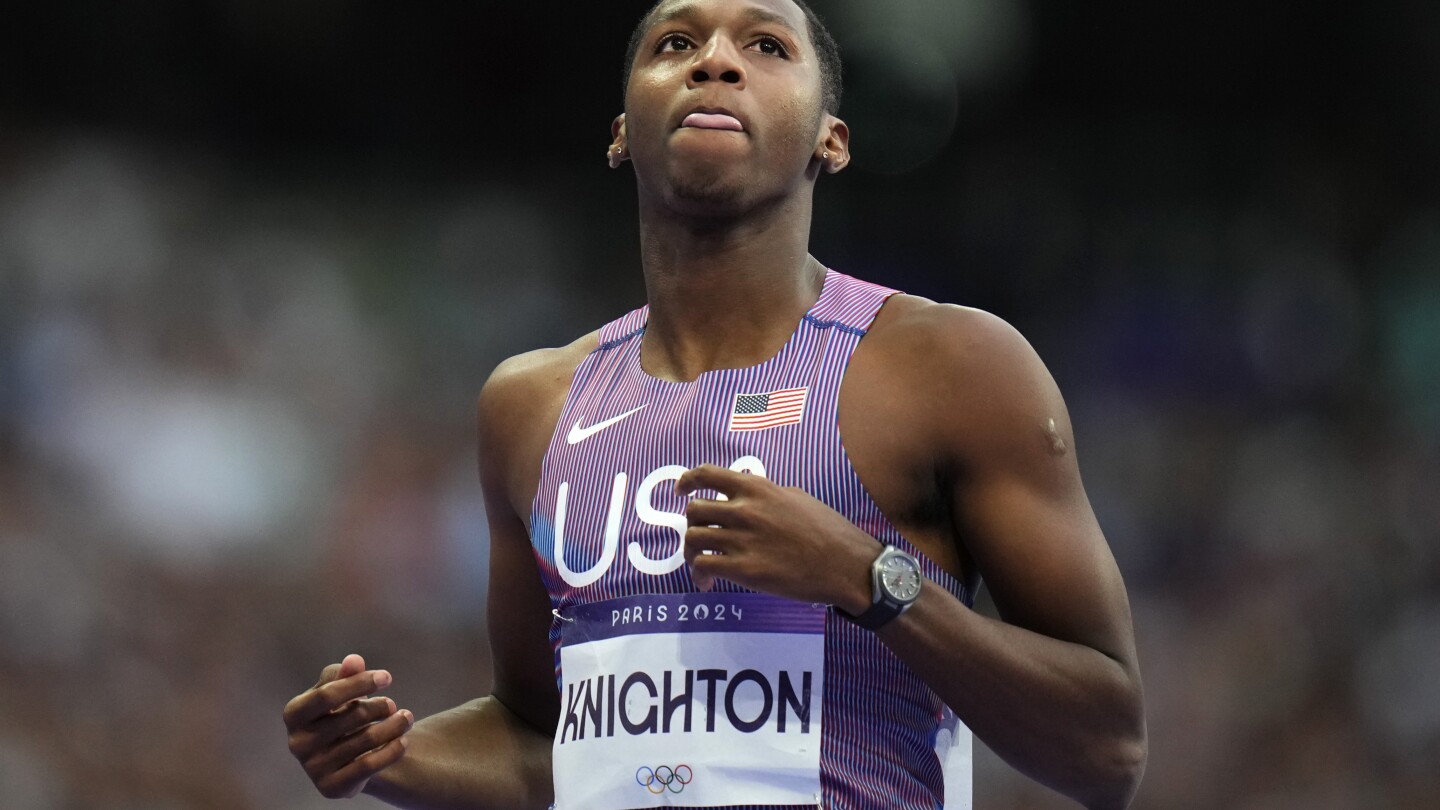
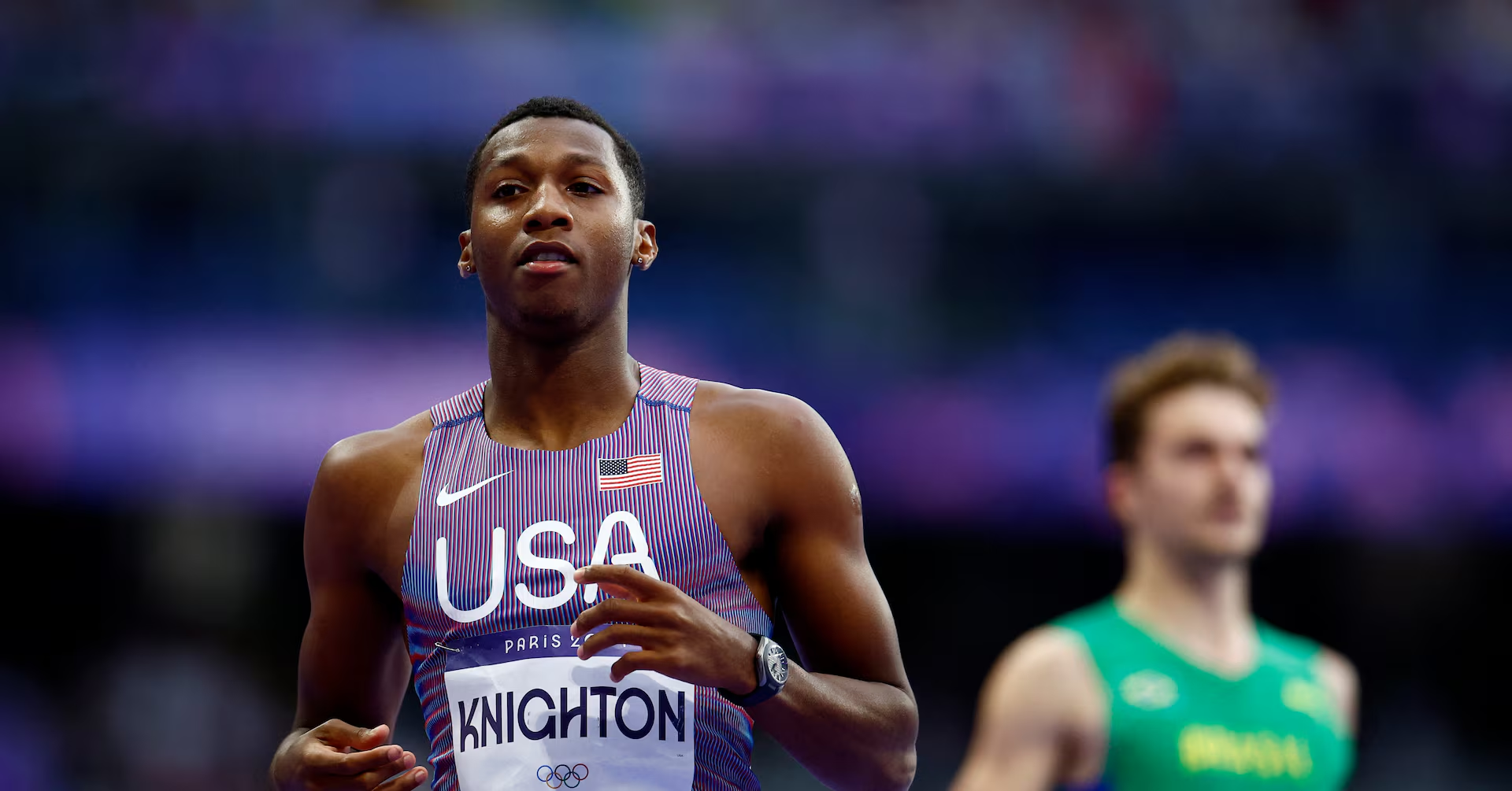
US sprinter Erriyon Knighton was banned for four years after a positive test for anabolic steroids, despite claims of meat contamination; this bans him from the 2028 Los Angeles Olympics and ends his hopes of competing there.
U.S. sprinter Erriyon Knighton received a four-year doping ban after a positive test for trenbolone metabolites, which he attributed to contaminated meat; this ban will prevent him from competing in the 2028 Los Angeles Olympics, and he is eligible for reinstatement in July 2029.
American sprinter Erriyon Knighton received a four-year ban for an anti-doping rule violation after a court upheld that he tested positive for a banned steroid, despite his claim of meat contamination; his results from March to April 2024 were disqualified, preventing him from competing in upcoming events including the World Championships.
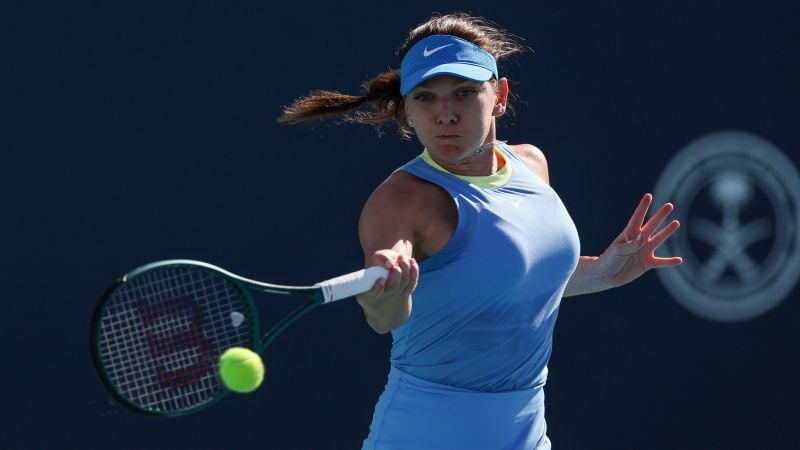
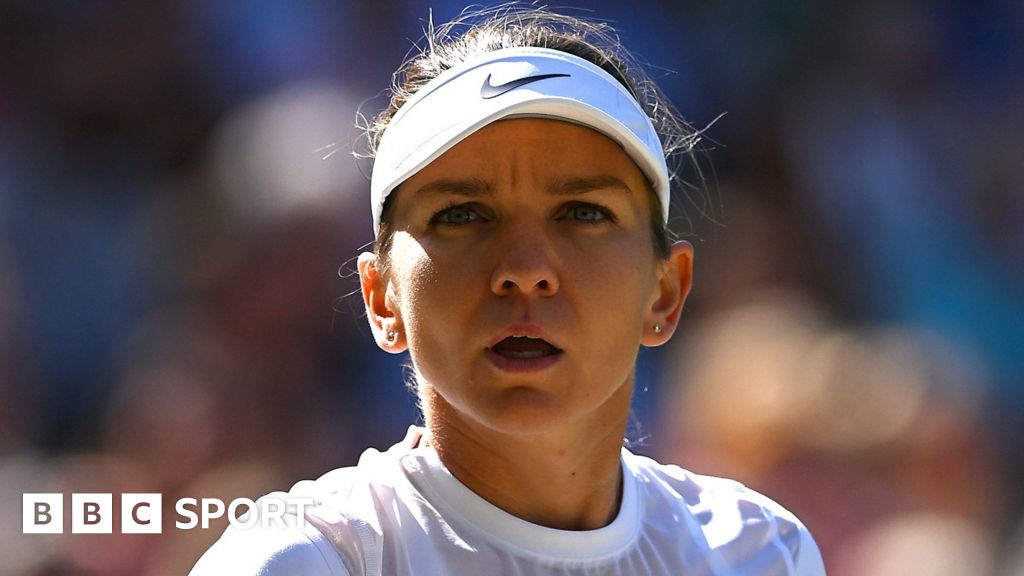
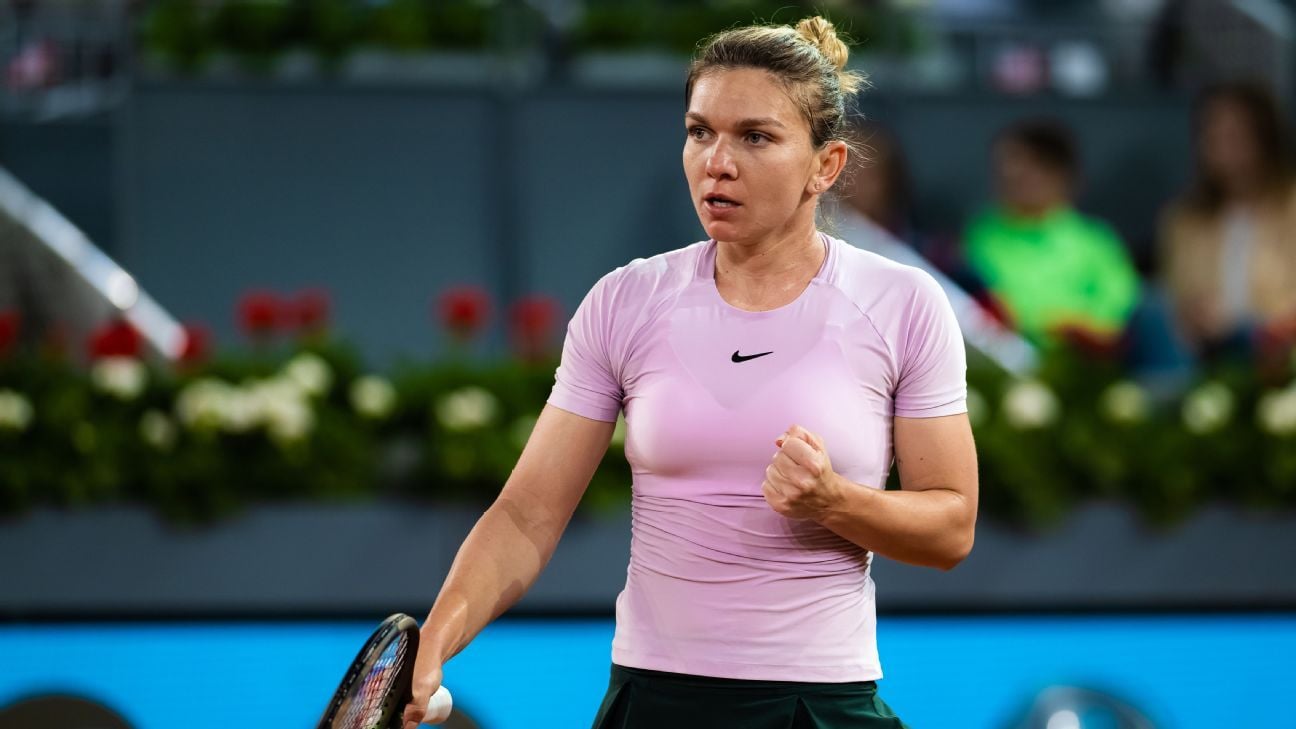
Simona Halep lost her first match back from a reduced doping ban, with Caroline Wozniacki criticizing the decision to award her a wild card entry to the Miami Open. Wozniacki expressed her belief in fair competition and clean sport, while Halep defended herself, stating that she did not cheat and that the substance she tested positive for was a contaminated supplement, not doping. Despite the loss, Halep expressed her delight at being able to return to the court and the support she received.
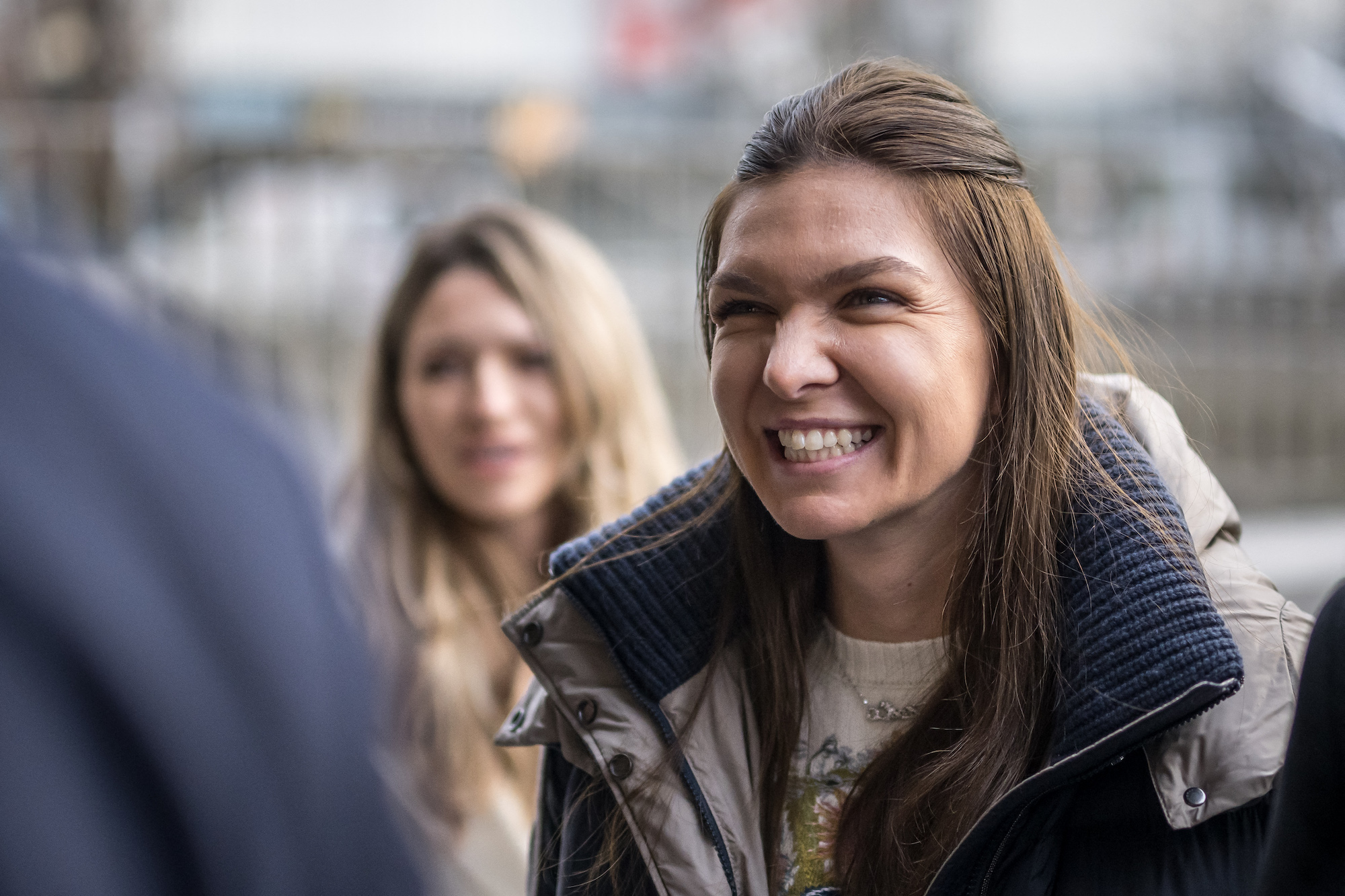
Former world No. 1 tennis player Simona Halep successfully appealed a four-year doping ban, with the Court of Arbitration for Sport reducing it to a backdated nine months, clearing her to return to competition. The ban stemmed from a drug test during the 2022 U.S. Open, but the CAS found different interpretations of the facts, ultimately dismissing one charge and reducing the ban. Halep's coach claimed responsibility for giving her the tainted supplement. The decision continues a pattern of initially severe doping bans in tennis being slashed on appeal to the CAS, leaving fans with confusing sagas.
The Court of Arbitration for Sport (CAS) has reduced Simona Halep's four-year doping ban to nine months, allowing the former world number one to immediately return to competition. The 32-year-old Romanian, who had been suspended since October 2022 for two separate anti-doping rule violations, expressed her eagerness to get back on the tour. Halep's ban was cut after she tested positive for roxadustat at the U.S. Open and faced an additional doping offense due to irregularities in her athlete biological passport. The CAS ruling also dismissed the ABP charge and emphasized the need for sensible reform in the anti-doping system, as acknowledged by the Professional Tennis Players Association.
Two-time Grand Slam champion Simona Halep's four-year doping ban has been reduced to nine months by the Court of Arbitration for Sport, allowing her to return to tennis soon. The decision comes after an investigation found that the anti-anaemia drug roxadustat entered her body through a contaminated supplement. While one charge was upheld, another regarding irregularities in her athlete biological passport was dismissed. Halep, who has maintained her innocence, is now free to return to the WTA Tour after the backdated ban expired, and she looks set to compete at the highest level again.
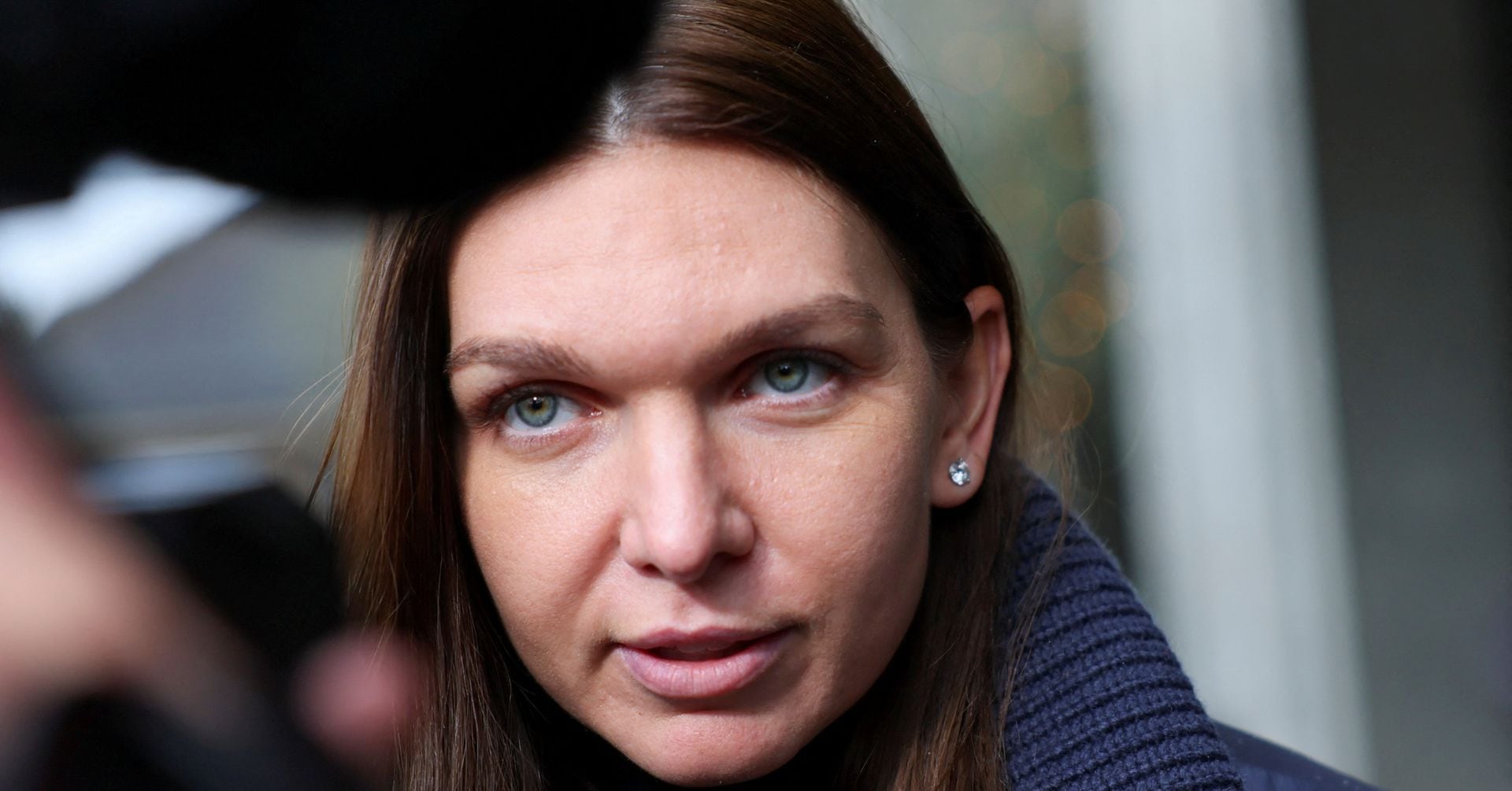
Former Wimbledon and French Open champion Simona Halep is confident in her return to tennis after appealing a doping suspension that could potentially end her career. The 32-year-old Romanian player has been provisionally suspended since October 2022 after testing positive for roxadustat, a banned drug, and facing another doping offense due to irregularities in her athlete biological passport. Halep has blamed contaminated supplements for her positive test and is awaiting the ruling from the Court of Arbitration for Sport.
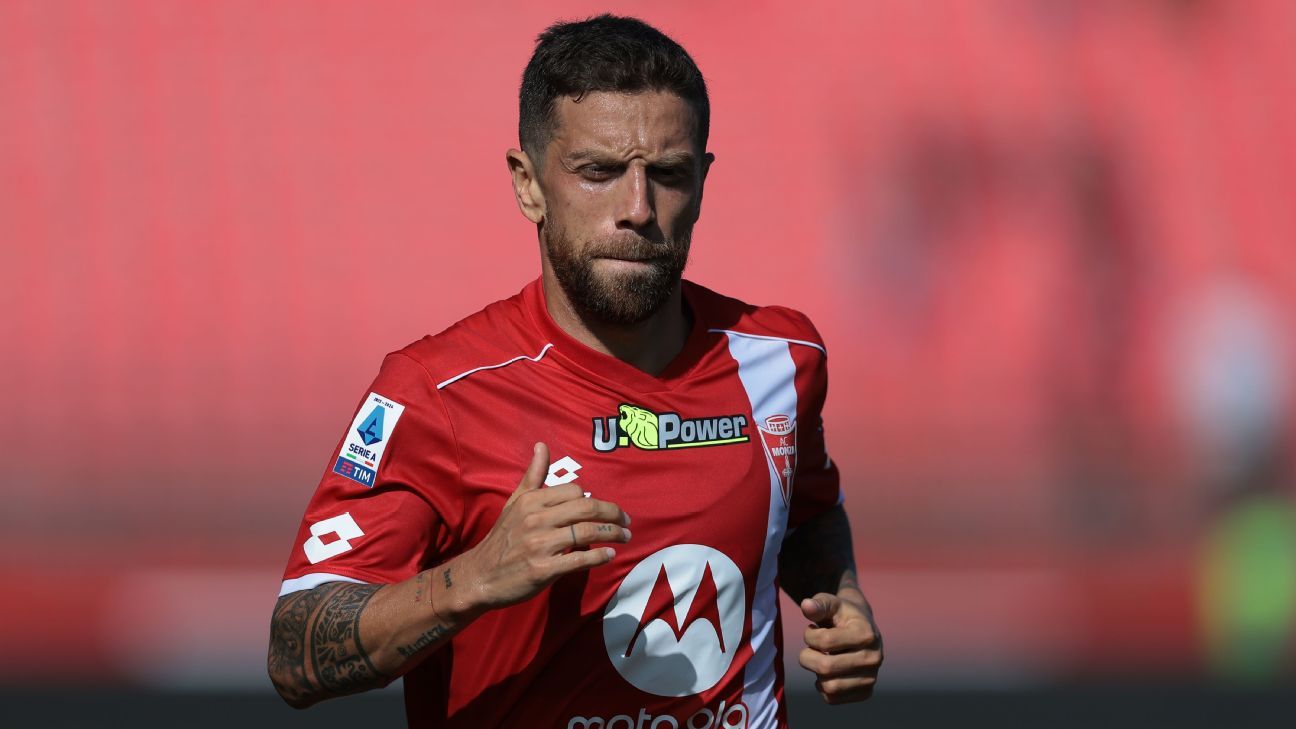
Argentine World Cup winner Alejandro "Papu" Gómez has been given a two-year ban for failing an anti-doping test after testing positive for terbutaline, a drug used to calm bronchospasm crisis. Gómez, who played for Sevilla at the time, joined the Argentina squad that went on to win the World Cup. He recently joined Italian club Monza as a free agent and has played in two Serie A matches since returning to Italy. This is the second doping case involving a Serie A player this season, with Juventus midfielder Paul Pogba also testing positive.
World Athletics has banned transgender women from competing in elite female competitions if they have gone through male puberty, citing the need to protect the female category. The organization will form a task force to study transgender inclusion, chaired by a transgender athlete. World Athletics also voted to end its eight-year doping ban for the Russian Athletics Federation, but the country's athletes, and those of Belarus, will remain excluded from international competition because of an ongoing separate ban over the invasion of Ukraine. The council also tightened restrictions on athletes with differences in sex development, cutting the maximum amount of plasma testosterone for athletes in half to 2.5 nanomoles per liter.