Nighttime Drooling: Usually Harmless, But Watch for Warning Signs
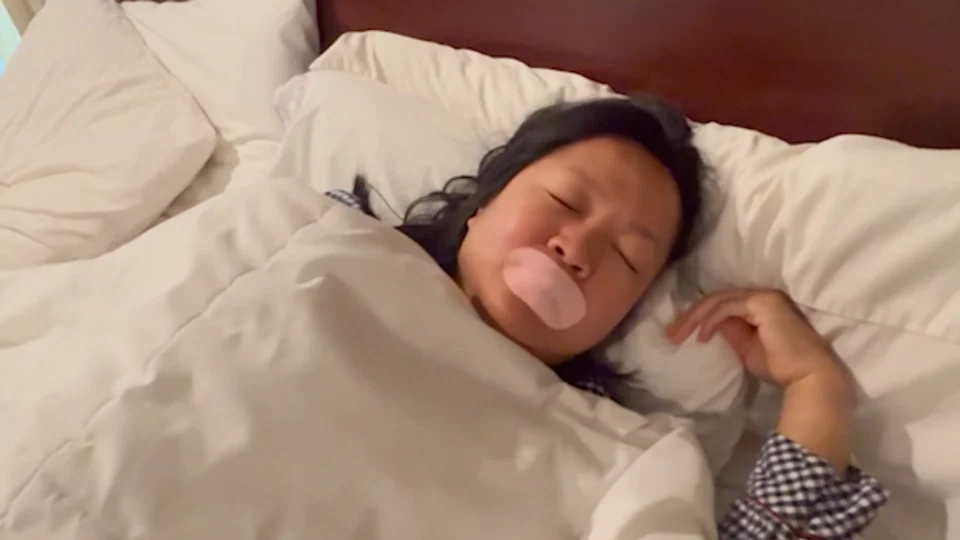
Drooling during sleep is typically normal, often caused by mouth-breathing and REM-related relaxation, so a damp pillow is usually more of a laundry issue than a health concern. However, new or heavy drooling, dehydration, a very dry mouth, loud snoring or gasping, daytime sleepiness, facial weakness, or trouble swallowing can indicate problems such as sleep apnea or neurological issues. To help, address the airway: treat nasal congestion, allergies, reflux, and stay hydrated; consider changing sleep positions (back reduces mouth opening) and using mouth guards or chin straps if appropriate. Seek medical advice if the drooling is persistent, worsening, or accompanied by other concerning symptoms.