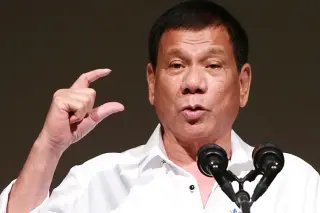
Judges at the International Criminal Court confirmed crimes against humanity charges against former Philippine president Rodrigo Duterte for deadly anti-drug crackdowns, which Duterte denies.
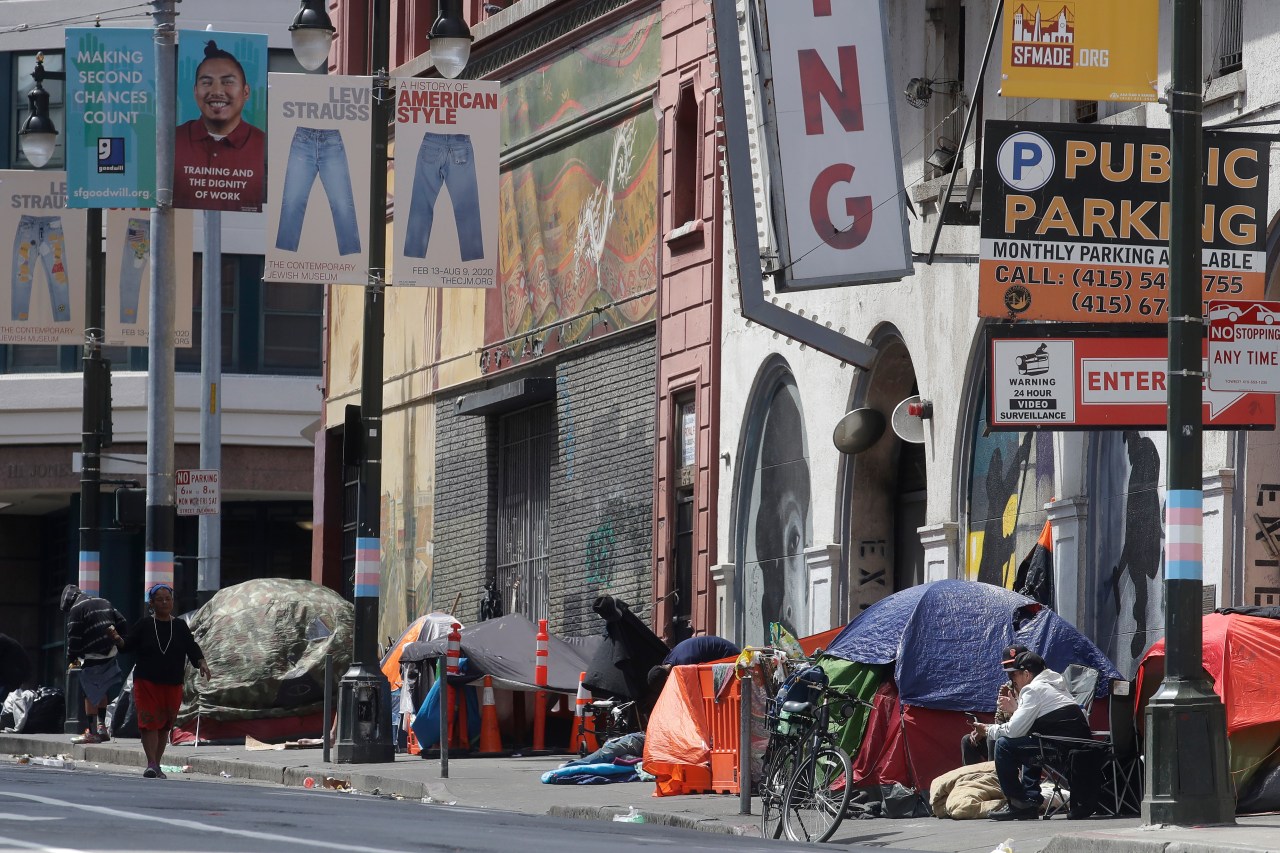
In a six-month drug crackdown in San Francisco, nearly 700 people were arrested for drug sales and almost 800 were arrested for drug use. The operation, led by multiple law enforcement agencies, focused on dismantling open-air drug markets in the Tenderloin and South of Market areas. Over 420 wanted fugitives were apprehended, and a total of 148 kilos of narcotics, including 80 kilos of fentanyl, were seized. The initiative has resulted in a record number of narcotics cases presented by the District Attorney's office. The mayor expressed the need to continue these efforts to make the neighborhoods safer.
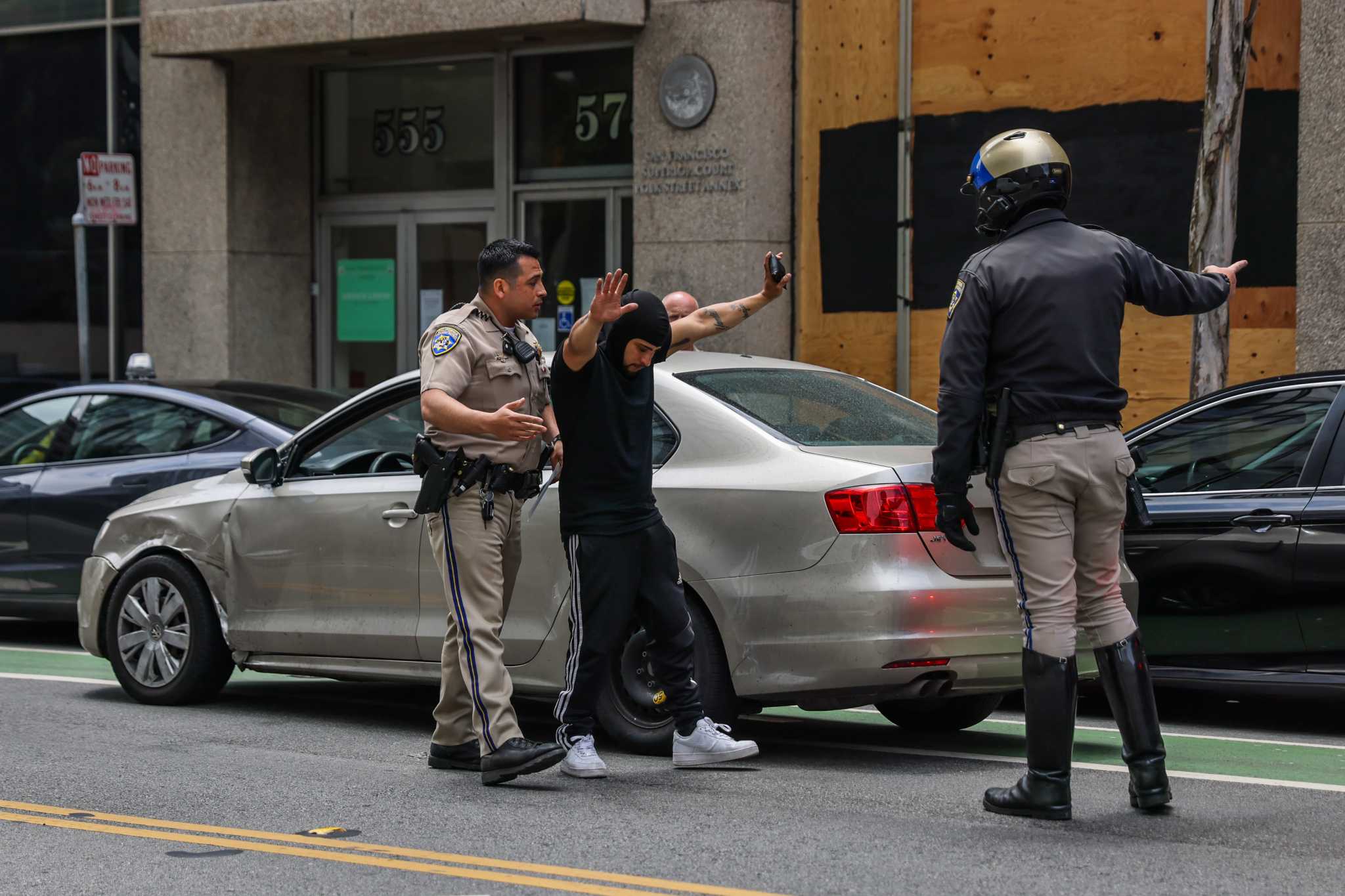
The California Highway Patrol (CHP) has been criticized for using traffic stops to investigate motorists for more serious crimes, such as drug offenses, in San Francisco. Critics argue that the practice, which the city is moving away from, leads to racial profiling and does not solve the drug crisis. However, the CHP's efforts have resulted in more drug arrests, with 12 narcotics arrests presented to the San Francisco District Attorney's Office in May. The CHP claims that its patrols are not practicing pretextual stops, but rather making traffic stops when there is reasonable suspicion or probable cause of a traffic violation.
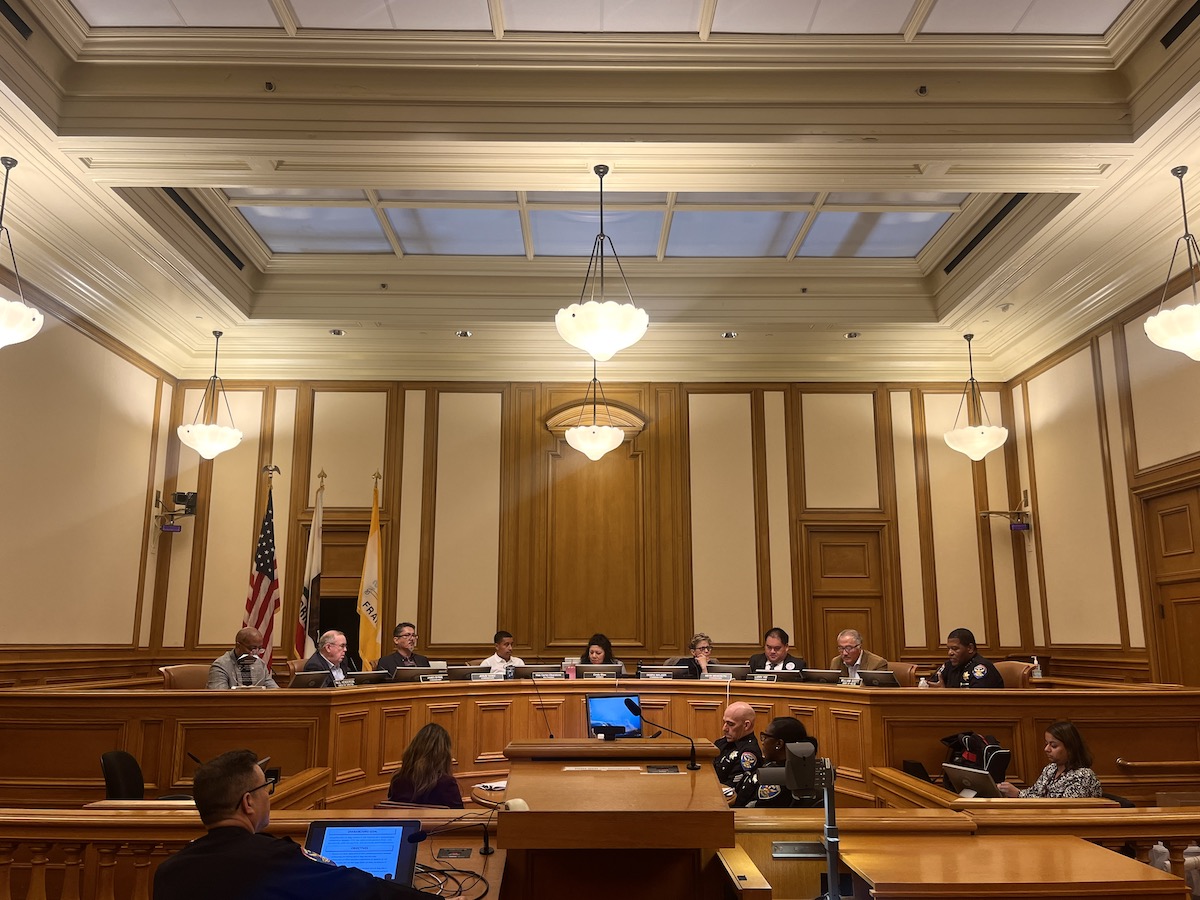
San Francisco Police Chief Bill Scott faced questioning from police commissioners over the mayor's promise to arrest drug users and dealers through a recently announced unified command center. The center, called the Drug Market Agency Coordination Center, was established to crack down on "open-air drug markets," including arresting people publicly using drugs. The police department showed no signs of reversing course, but the Police Commission is experimenting with programs that might, including CART (the Compassionate Alternative Response Team), a non-police alternative program that would allow mental health and social workers, not officers, to respond to certain 911 and 311 calls.