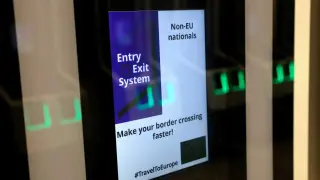
EU Biometric Border System Sparks Travel Chaos and Political Backlash
The EU's Entry/Exit System (EES) is fully operational, causing significant border delays and traveler anxiety, while the ETIAS authorization system remains delayed.

All articles tagged with #ees
The EU's Entry/Exit System (EES) is fully operational, causing significant border delays and traveler anxiety, while the ETIAS authorization system remains delayed.

The EU’s digital Entry/Exit System is facing technical problems, sparking hours-long queues and flight disruptions as non-EU travelers register biometrics. Ursula von der Leyen acknowledged the issues and said the Commission is working with member states to fix them, while airlines and airports urge flexibility to suspend EES during peak travel months. The system, designed to replace passport stamps with a biometric digital record, has rolled out unevenly, causing longer processing times and operational disruption at major hubs.
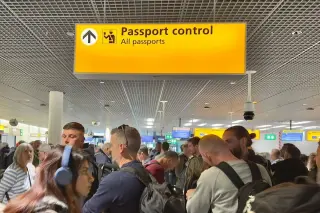
European airports are facing up to five-hour waits due to the EU’s new Entry/Exit System (EES), which fingerprints travelers and scans faces at border checks. The rollout overwhelmed many hubs, prompting calls from industry groups to suspend EES as peak travel season looms. While the European Commission has shown limited flexibility, delays persist; travelers—especially Americans—are urged to pre-register, avoid short layovers, and keep up with entry requirements, with airlines pressing for relief and guidance.

Europe’s new Entry/Exit System (EES) is causing severe border delays—passengers face hours-long queues and departure gates close with planes only half-full—prompting Airports Council International Europe, Airlines for Europe, and IATA to urge immediate intervention and, if needed, temporary suspension of the system during peak summer travel as July–August is expected to add about 40 million more passengers. The World Travel & Tourism Council also warns delays risk denting Europe’s tourism and competitiveness, with calls for flexible staffing and policy relief until the system stabilizes.

The EU has begun a six-month rollout of the Entry/Exit System (EES), a digital border control system requiring non-EU travelers to register their personal details, including biometric data, to enhance border security and manage migration more effectively, replacing traditional passport stamping across external borders.

Starting October 12, Spain will implement the EU's new Entry/Exit System (EES), requiring travelers, including Americans, to provide biometric data such as fingerprints and a face scan upon entry, replacing traditional passport stamps. The rollout is part of a broader EU effort to modernize border control, with Spain among the first to adopt the system at key entry points like Madrid Airport, while other countries face delays. The EES aims to streamline entry processes and enhance security, with full implementation expected by April 2026.