Danish Prime Minister Mette Frederiksen, a long‑time advocate of strict migration rules, argues that Europe faces an internal threat from individuals with Islamic backgrounds alongside external pressures, criticizing Spain's immigration approach during the Ceuta crisis and joining other EU leaders in urging tighter border controls and limits on mass crossings.
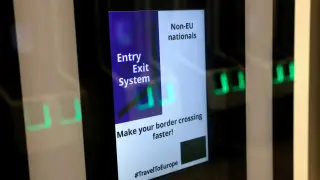
Europe’s Entry/Exit System (EES) is now fully operational across Schengen borders, using biometric scans to speed entry and exit data tracking after a rollout that logged nearly 90 million entries; some travelers have faced longer lines during the transition. The European Travel Information and Authorization System (ETIAS), by contrast, is still not in effect as of Aug. 17, 2026, after delays since 2022. ETIAS would pre-screen visa-exempt travelers (e.g., Americans) for up to 90 days in a 180-day period, cost about €20, and would not be a visa; its launch has been pushed to late 2026 with no required application today. For faster processing, Sweden and Portugal offer a Travel to Europe app to pre-register passport data and facial images within 72 hours of entry or exit. Travelers should stay tuned for ETIAS timing updates while preparing for biometric checks under EES.
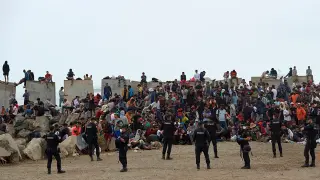
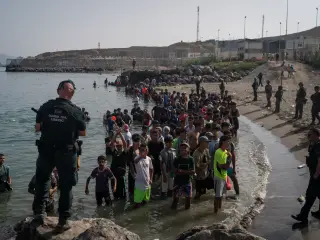
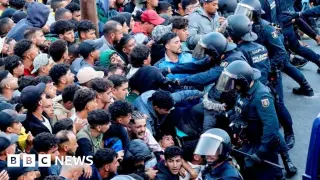
Tens of thousands of migrants crossed from Morocco into Ceuta, a Spanish autonomous enclave in North Africa, on July 30–31, overwhelming local authorities and infrastructure and marking the EU’s first real-world test of its new Pact on Migration and Asylum. The rapid surge has rekindled debate over whether Europe’s border system is failing or functioning as designed and underscored the challenges of enforcing EU policy at its external frontiers.
Spain will impose passport, nationality and visa checks on travelers arriving from Italy by air or sea from midnight until Sept 7, in a dispute over irregular migration. Italy says it will maintain its own border controls on arrivals from Spain and has set an August 15 horizon, a move tied to the mass influx of migrants into Ceuta that sparked the spat. The measures are reciprocal and climate tensions between Rome and Madrid over migration flows.
Nigel Farage's Reform UK unveils 'Operation Fortress' to seal the coast against small-boat crossings with a military-led, drone- and satellite-enabled surveillance network, intercepting and returning migrants to their country of origin within a fortnight, while Labour's Burnham pushes border-security priorities amid Farage-finance scrutiny and ongoing internal party tensions.
Spain installed a 500-meter floating barrier at Ceuta’s Tarajal breakwater after a deadly migrant surge left at least 67 dead, with thousands crossing from Morocco before many reportedly returned home; the EU is pressing for a swift, coordinated border-security response among member states.
About 50,000 migrants crossed into Ceuta this week, leaving dozens dead and prompting tighter border controls across Europe; most have been returned to Morocco. Spain says traffickers exploited a narrowly framed Supreme Court ruling that bars sea pushbacks without due process but allows rapid deportations, a reading critics say misrepresents the decision. The surge stems from multiple factors, including economic pressures in Morocco and favorable sea conditions, with many unaccompanied minors among entrants. Spain plans floating barriers to comply with the ruling while restoring returns.
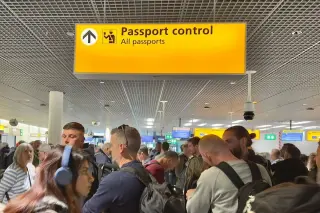
The EU’s digital Entry/Exit System is facing technical problems, sparking hours-long queues and flight disruptions as non-EU travelers register biometrics. Ursula von der Leyen acknowledged the issues and said the Commission is working with member states to fix them, while airlines and airports urge flexibility to suspend EES during peak travel months. The system, designed to replace passport stamps with a biometric digital record, has rolled out unevenly, causing longer processing times and operational disruption at major hubs.
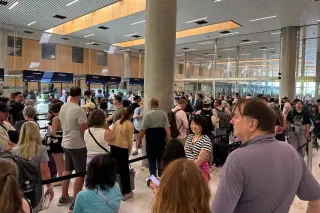
European airports are facing up to five-hour waits due to the EU’s new Entry/Exit System (EES), which fingerprints travelers and scans faces at border checks. The rollout overwhelmed many hubs, prompting calls from industry groups to suspend EES as peak travel season looms. While the European Commission has shown limited flexibility, delays persist; travelers—especially Americans—are urged to pre-register, avoid short layovers, and keep up with entry requirements, with airlines pressing for relief and guidance.
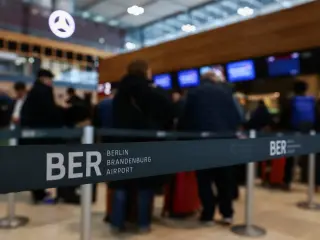
Europe’s airports are facing long lines and flight delays as the EU’s new Entry and Exit System (EES) biometric checks roll out, prompting an urgent meeting of EU leaders with industry groups. The Commission says the impact is limited at most airports, but airlines like Ryanair are calling for the program to be suspended until September. Some hubs report hours-long waits, underscoring the need for increased border-control capacity; travelers are advised to arrive early and prepare for potential delays.
Europe’s new Entry/Exit System (EES) is causing severe border delays—passengers face hours-long queues and departure gates close with planes only half-full—prompting Airports Council International Europe, Airlines for Europe, and IATA to urge immediate intervention and, if needed, temporary suspension of the system during peak summer travel as July–August is expected to add about 40 million more passengers. The World Travel & Tourism Council also warns delays risk denting Europe’s tourism and competitiveness, with calls for flexible staffing and policy relief until the system stabilizes.
Ahead of the G7 summit, France will deploy thousands of police and border officers along the Swiss border near Geneva, tightening checks, restricting access around Evian, and banning unplanned gatherings. A zone near the Hotel Royal is set, with an authorized June 14 march adding to disruption. The measures affect some 110,000 cross-border workers who commute daily from France to Geneva, with lake crossings redirected and a 6 million Swiss franc fund established to help affected businesses. Analysts warn the security buildup could strain daily life and the regional economy.
The European Union is weighing amendments to the Temporary Protection Directive, which has allowed more than four million Ukrainians to live and work in EU countries since 2022. Several member states are pushing to exclude military-age men (23–60 with military eligibility) from protection, while others caution against cutting protections and emphasize legal-exit rules under martial law. The talks reflect divergent views on how to balance refugee integration with security, and a formal Commission proposal could arrive in the coming weeks.
Europe’s new Entry/Exit System, now in use across 29 countries, requires biometric data from many travelers to speed border processing. While designed to speed future entries, first-time registrations and kiosk glitches have caused longer lines at major airports, with some reports of several hours during peak times. Some travelers can pre-register via an app, but this is currently limited to Sweden and Portugal; visa rules and stay lengths remain unchanged. To minimize disruption, travelers should plan extra time at airports, especially if making connections.
The European Union is tightening asylum procedures, speeding deportations, increasing detention times, and expanding border controls to deter arrivals, signaling a shift toward tougher migration policies amid voter fatigue and rising asylum-seeker numbers.