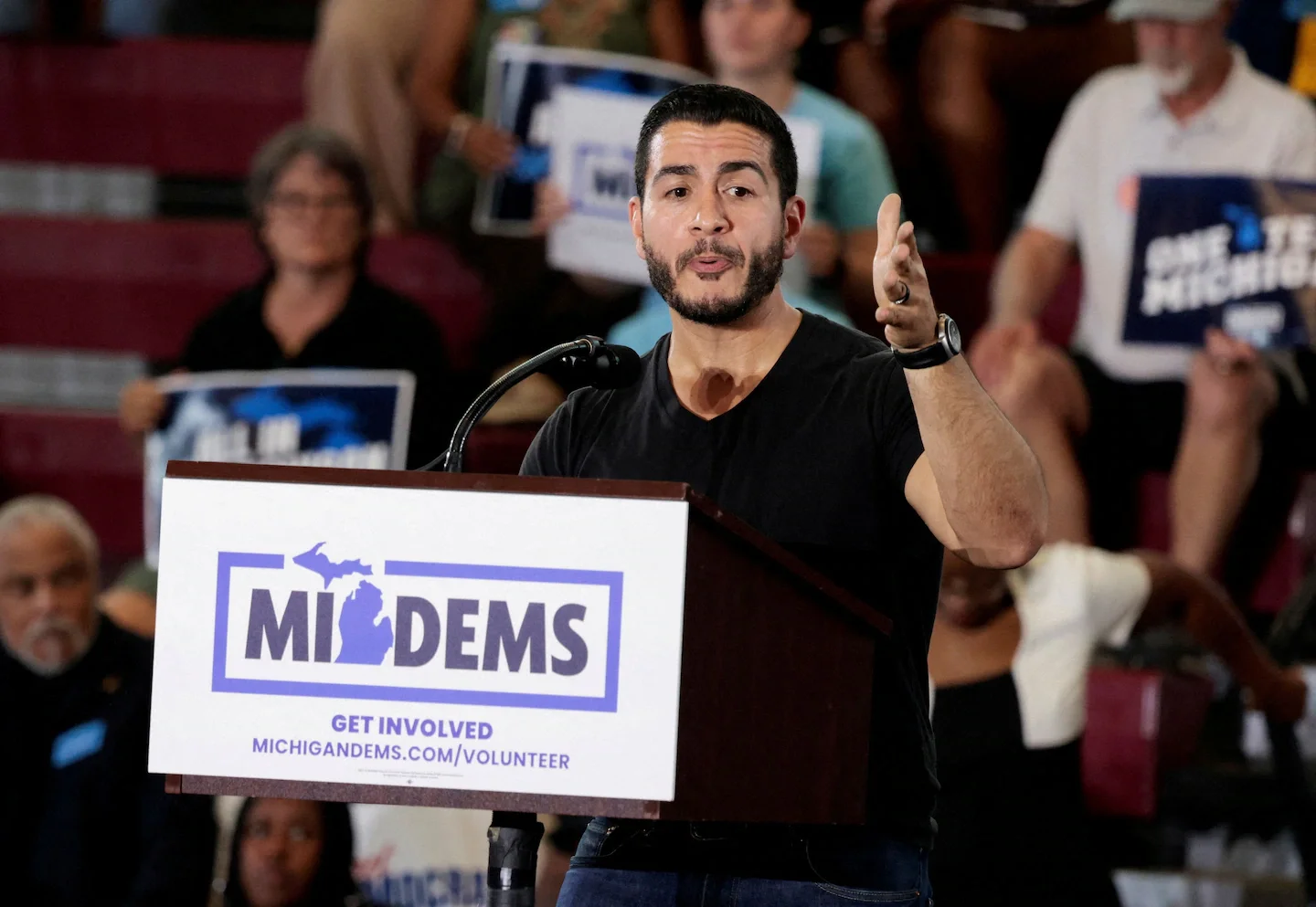
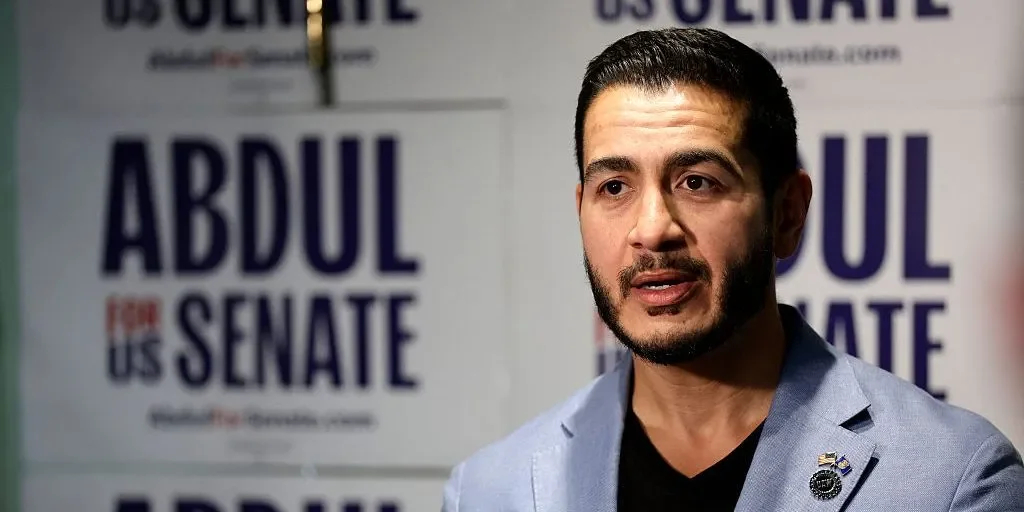
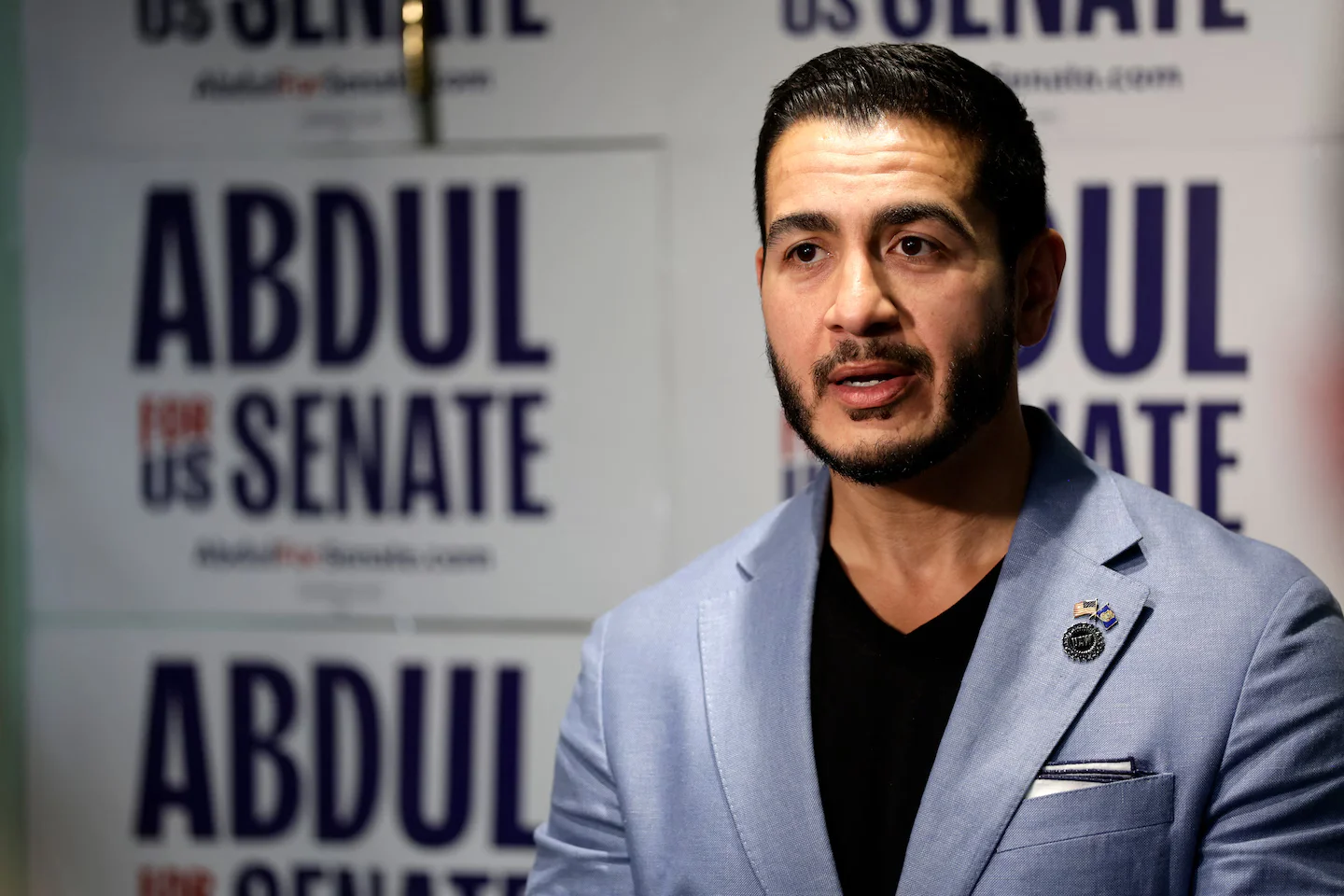
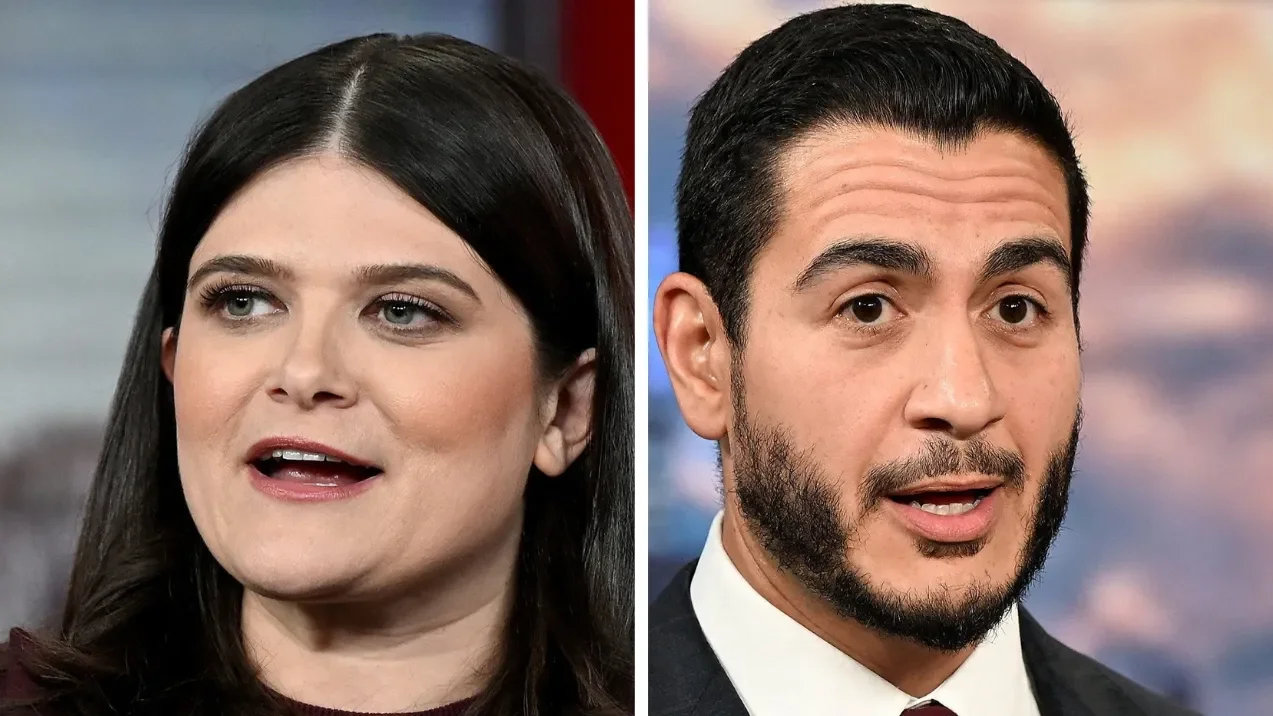
Democratic Michigan Senate candidate Abdul El-Sayed blamed President Donald Trump for a global bond market sell-off, arguing that Trump's trade wars and inflation-driven pressure on the Fed are making bonds more expensive, a claim that comes as Michigan's race against JD Vance grows more heated.
An Intercept analysis argues CBS News, led by Bari Weiss, steered coverage of Michigan Senate candidate Abdul El-Sayed to frame him through an Islamophobic lens by tying deleted 9/11-era tweets to him, illustrating a broader bipartisan pattern of dehumanizing Muslims and reflecting internal Democratic politics that weaponize anti-Muslim rhetoric against progressives.
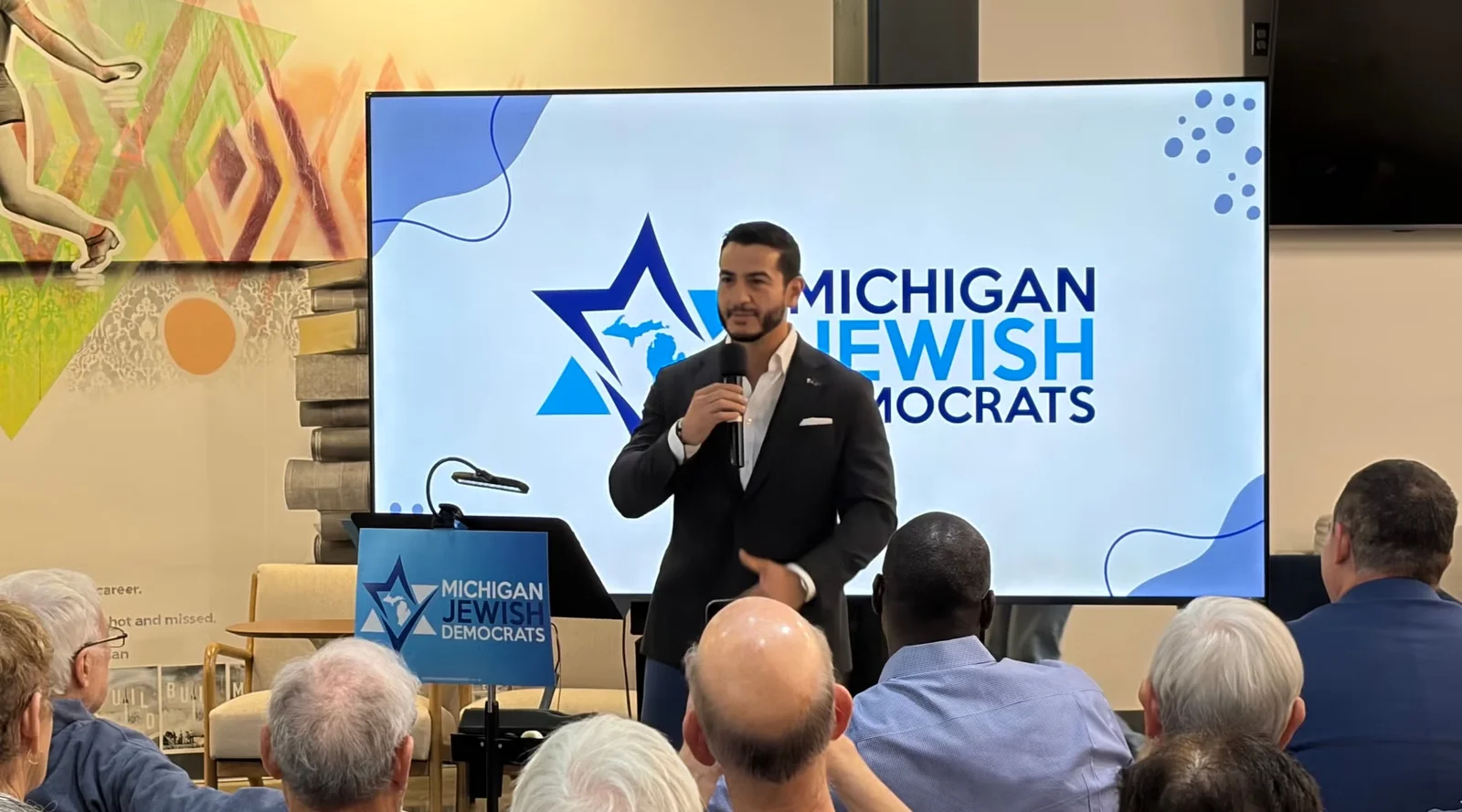
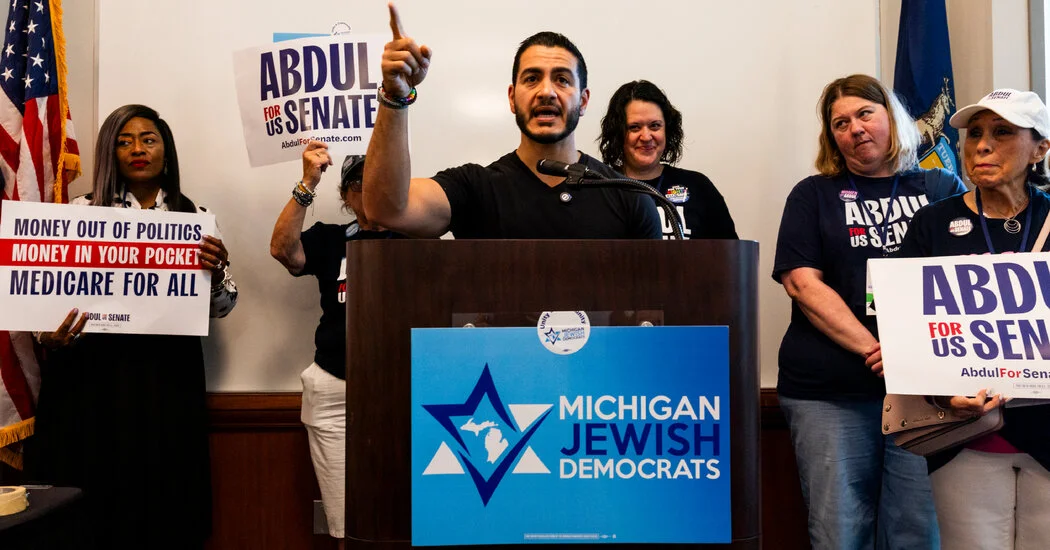
Michigan U.S. Senate hopeful Abdul El-Sayed addressed about 300 Jewish Democrats at the Summer Simcha fundraiser in Birmingham, Michigan, after issuing apologies for earlier comments about a synagogue attack, saying he hopes to earn their trust. Michigan Attorney General Dana Nessel urged voters to consider broader global concerns and place the world’s needs above personal self-interest, while acknowledging internal party tensions over Israel policy and antisemitism. El-Sayed plans to hire a Jewish liaison and fielded questions on safety, community concerns, and policy stances, with some attendees remaining cautious about the candidate’s positions.
Democratic Senate candidate Abdul El-Sayed apologized to Jewish Democrats for March remarks linking the Detroit-area synagogue attack to a broader cycle of violence, saying his comments were misconstrued and that he does not intend to justify the violence.
Dr. Abdul El-Sayed, Michigan's Democratic Senate nominee, apologized to Jewish Democrats for a March remark about a Detroit-area synagogue attack, saying he should have condemned the act in full and that his line 'hurt people hurt people' was a mistake; the Temple Israel incident in West Bloomfield Township was a targeted anti-Jewish attack, and the apology is part of his effort to win skeptical Jewish voters.
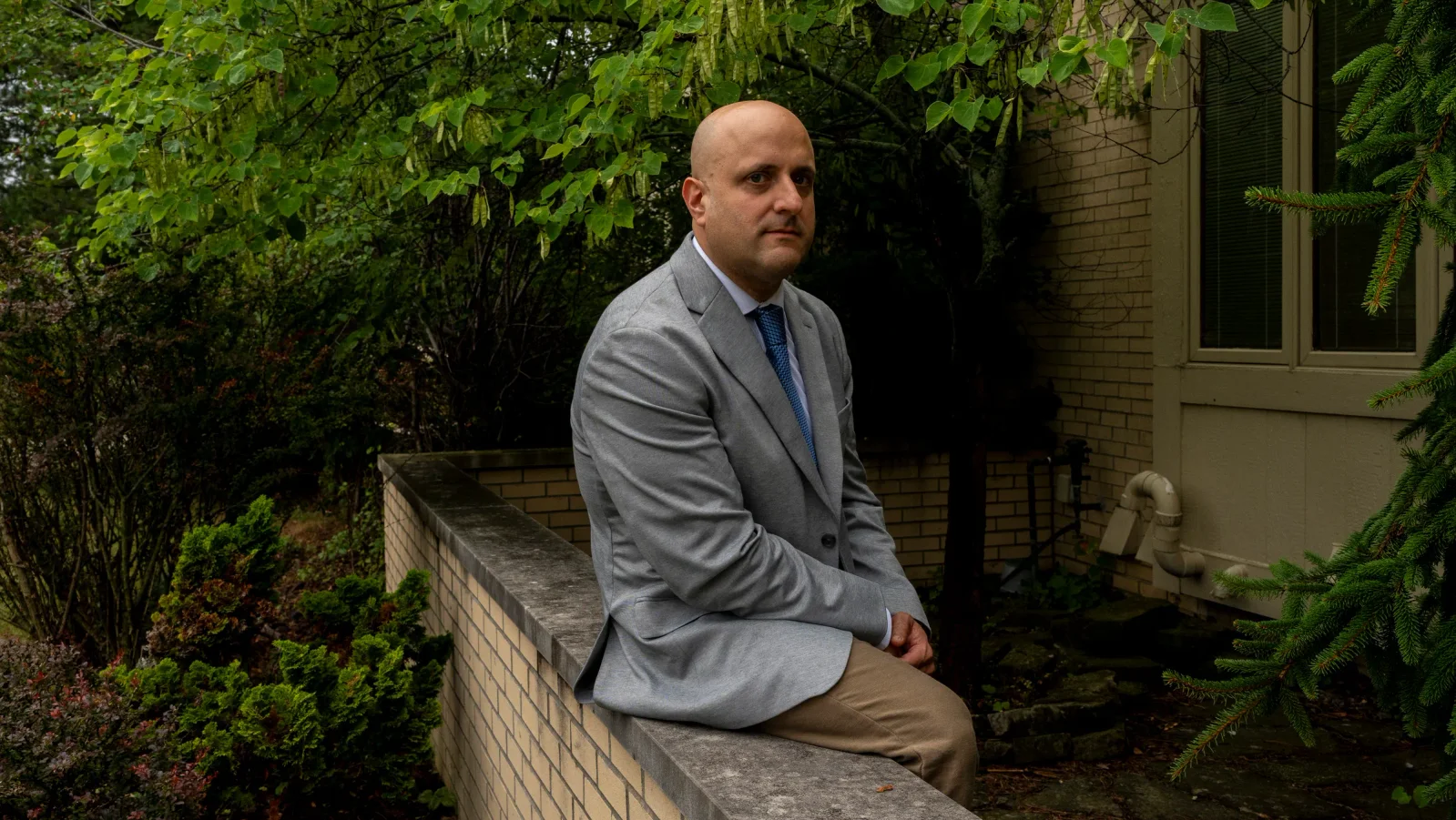
In Michigan, Democratic primary winner El-Sayed faces an uphill battle winning the support of Jewish voters, with community members like Joe Tigay describing themselves as progressive and Jewish, signaling potential challenges as the race moves forward.
A Senate counterterrorism analyst testified that Abdul El-Sayed's Michigan Senate bid raises homeland security concerns due to alleged family ties to Muslim Brotherhood–linked groups and CAIR connections, including his father-in-law's leadership with CAIR-Michigan and ties to ISNA and Emgage; the hearing was boycotted by Democrats, and the report notes donations to El-Sayed from CAIR-linked individuals.
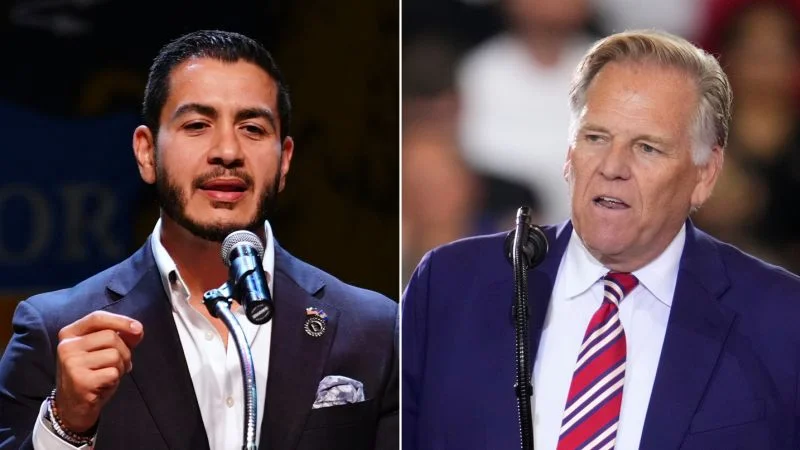
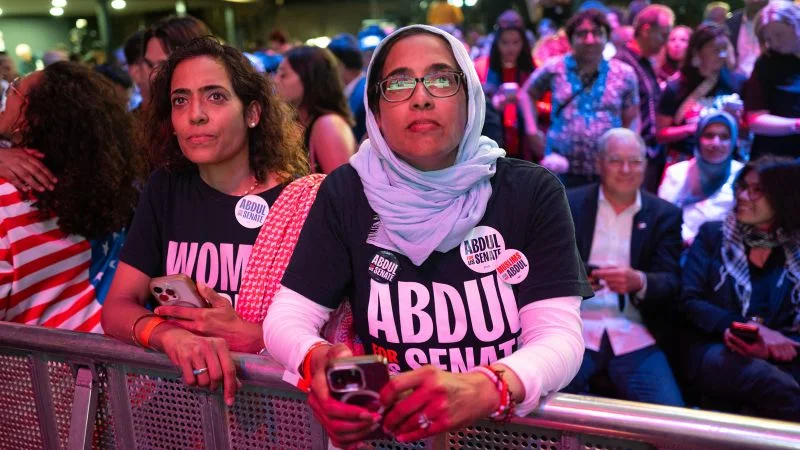
In Michigan’s U.S. Senate race, Republican Mike Rogers releases a direct appeal to Democratic voters unhappy with Abdul El-Sayed’s divisive primary win, signaling a bipartisan outreach as El-Sayed-unified Democrats prepare for November; El-Sayed’s nomination followed a tight contest with Haley Stevens, with Democratic leaders rallying behind him and Rogers aiming to capitalize on residual divisions before the general election.
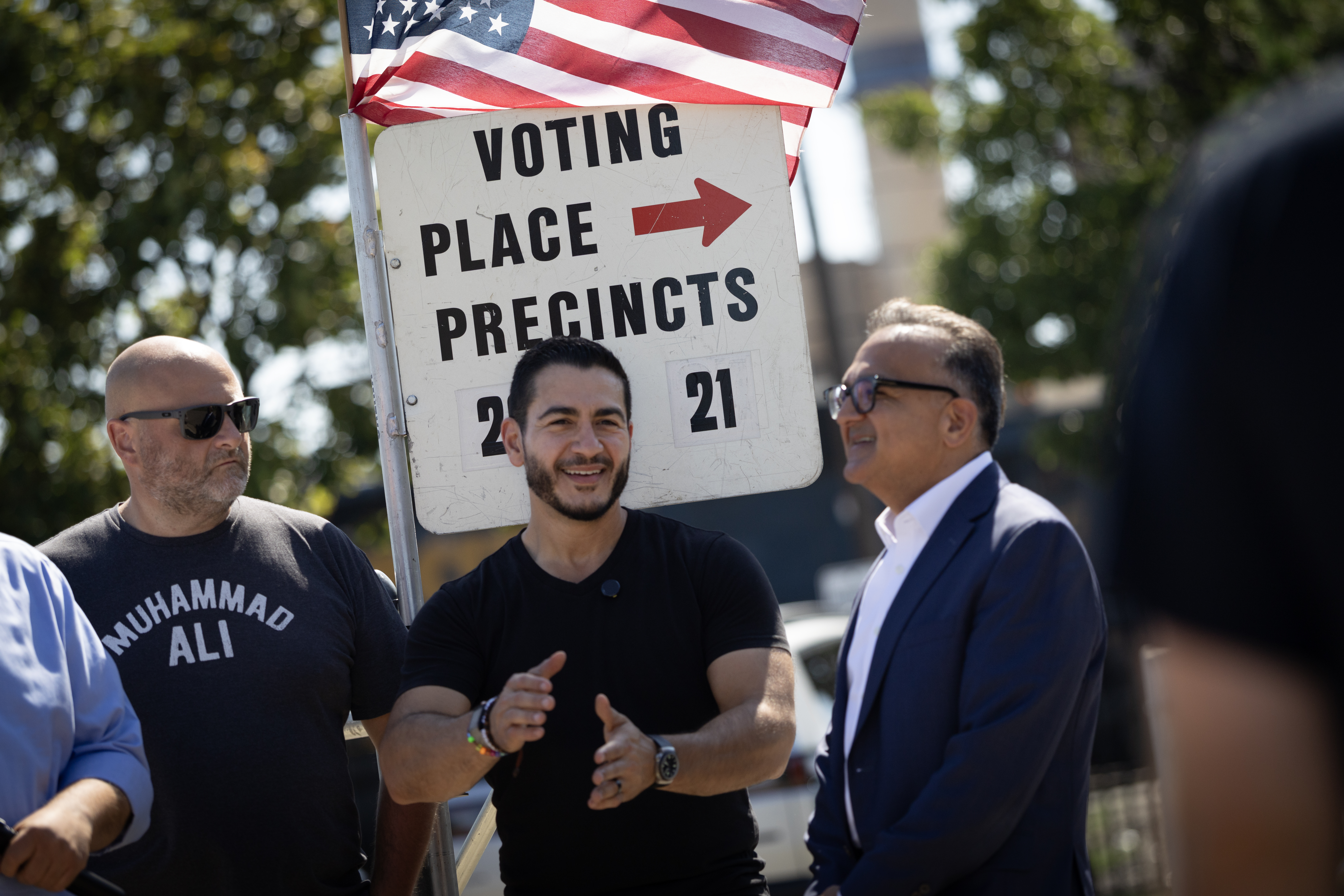
After a bruising Michigan Democratic primary, Republican Mike Rogers is trying to peel away disaffected voters—especially Jewish and Black communities—while Abdul El-Sayed works to unite the party and fend off a well-funded challenge in the Senate race.
Abdul El-Sayed's narrow Democratic Senate primary win in Michigan has prompted some Jewish leaders to consider voting for Republican Mike Rogers in November due to concerns about his Israel stance, rhetoric on antisemitism, and associations; others remain undecided, or plan to abstain or support El-Sayed. National groups react with mixed signals, highlighting Israel-related tensions within the party as the Michigan race looms closely contested.
The Michigan Democratic Senate primary remains too close to call, with Abdul El-Sayed clinging to a slim lead over Haley Stevens as ballots continue to be counted. The winner will face Republican Mike Rogers in November to succeed retiring Senator Gary Peters. El-Sayed urged party unity and framed his campaign around universal healthcare and anti-corruption, while Stevens pitched pragmatic problem-solving and benefited from substantial outside spending. The tight result underscores Michigan's pivotal role in the Democrats’ 2026 midterm strategy.
Michigan’s Democratic U.S. Senate primary drew a record non-presidential turnout (over 1.2 million ballots), as Abdul El-Sayed and Haley Stevens vie for the nomination to face Republican Mike Rogers. With results still tight, Detroit-area Wayne County’s absentee and in‑person votes could swing the outcome, and a final call may come early Wednesday morning as vote counting continues. The race is key for Democrats’ effort to win a Senate majority, with broader election coverage also unfolding across states.
Michigan’s Senate primary to replace retiring Sen. Peters has become a microcosm of national Democratic rifts, with Abdul El-Sayed and Haley Stevens jockeying for advantage, shifting endorsements from Gretchen Whitmer and Elizabeth Warren, and heavy outside spending that some see as threatening November outcomes regardless of the winner.
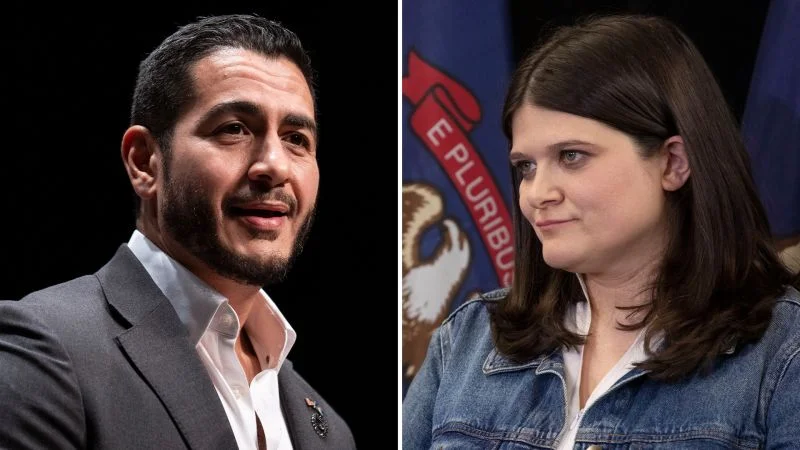
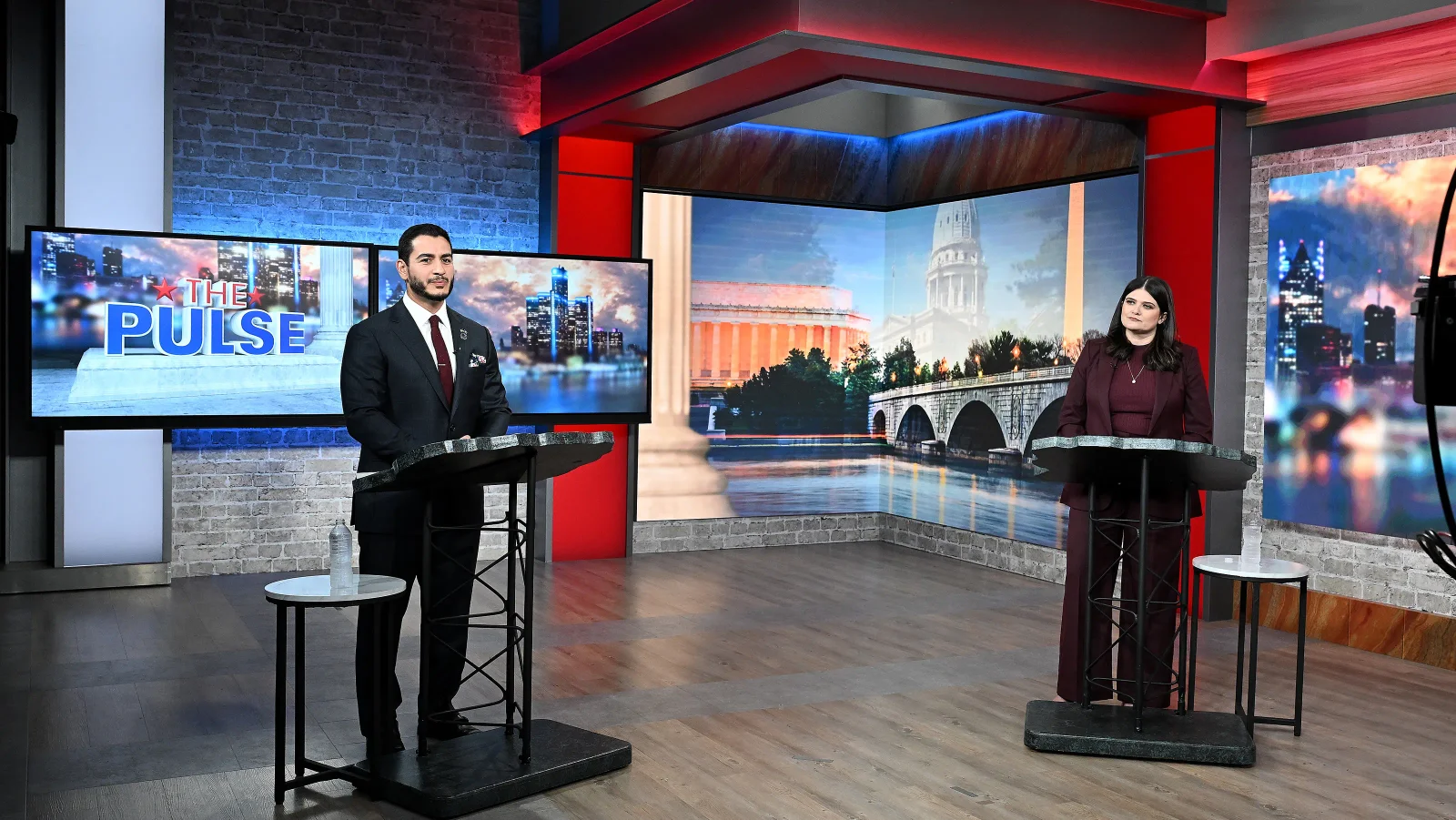
In the final Democratic U.S. Senate primary debate before the Aug. 4 election, Haley Stevens and Abdul El-Sayed exchanged sharp takes on electability against Republican Mike Rogers, donor influence, and policy differences—Stevens emphasizing manufacturing ties and a path to beating Rogers, El-Sayed pushing progressive reforms such as curbing stock buybacks, dismantling ICE’s role, and broader corporate-power reductions—as they sought to define themselves as the better general-election bet and navigate questions about civility and campaign finance.
In a tight Michigan U.S. Senate debate, Abdul El-Sayed pitched affordable EVs (about $25,000 with 300-mile range) and a strengthened domestic auto-supply chain funded by incentives rather than mandates, while Haley Stevens argued that rising costs and a Canada trade dispute threaten Michigan manufacturing and urged utility reform. The candidates sparred over misogyny accusations, socialism, and campaign money, with El-Sayed denying misogyny and claiming he has never taken corporate PAC money, and Stevens denying taking utility money even as federal filings show she received $2,500 from DTE’s PAC (transferred from her House committee before her Senate run). The exchange underscored divides on EV strategy, manufacturing priorities, and political finance in a race that remains competitive.