
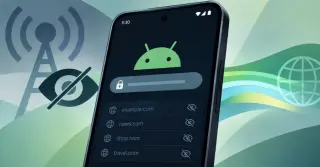
Android 17 Makes Encrypted Client Hello Default to Hide Web Traffic from ISPs
Google announced that Android 17 will enable Encrypted Client Hello (ECH) by default, making it the first major mobile operating system to offer this privacy feature system-wide. ECH encrypts the destination domain name of web requests, preventing network providers and eavesdroppers from seeing which specific websites or apps a user is accessing, even when the connection is secured via HTTPS. The update also includes ECH GREASE, a mechanism that sends randomized fake extensions to non-supporting sites to prevent fingerprinting. Alongside ECH, Android 17 enforces Local Network Protection, requiring apps to seek permission before scanning local devices, and enables Certificate Transparency by default to verify website authenticity. Additionally, the update allows telecom carriers to disable 2G networks by default, mitigating risks from SMS blasters and rogue base stations that exploit legacy cellular vulnerabilities.