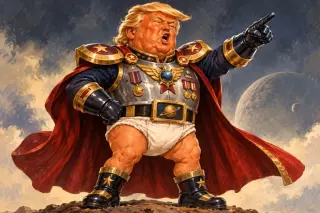
Trump promoted Starship Troopers–inspired Space Force outfits, prompting director Paul Verhoeven to caution that the film’s fascist imagery is a satire that audiences should recognize in real-world visuals.
Paul Verhoeven says the Space Force’s new service dress, reportedly inspired by Starship Troopers, reflects the film’s satirical critique of fascism—humor that many audiences overlook; he notes the costumes were designed by Ellen Mirojnick, and Trump’s post tying the look to Starship Troopers has renewed discussions about the film and its themes.
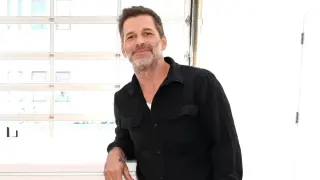
Zack Snyder addresses heavy online backlash and fascist accusations surrounding his film The Last Photograph debut at TIFF, argues the movie’s violence affects all characters and isn’t misogynistic, and shares thoughts on his cinematic approach, AI in filmmaking, and the DC era’s aftermath and Warner Bros.’ future.
The Ringer’s review of One Night Only notes that a world where single people can only have sex on one annual night raises big questions about governance and surveillance. While the film hits funny, satirical notes and strong rom-com performances, it largely avoids explaining how the dystopian system operates or its broader social impact, leaving viewers amused but unsure what the premise ultimately means.
Patriot Front reportedly marched with police escort down Penn Ave SE on July 4 in Capitol Hill, prompting warnings about the group's history of violence and provocation and a question whether they appeared in the Barracks Row parade.
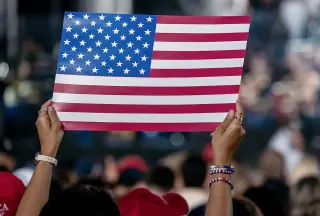
On the 250th anniversary of the United States, the piece argues that marginalized Americans increasingly question their belonging under Trump, citing state violence, deportation fears, and a national mood of disillusionment. Public surveys show broad dissatisfaction and a willingness among some to leave, while scholars warn of rising fascist tendencies and a weakened democracy. The author calls for a mature, truth-centered patriotism and active civic renewal, treating democracy as a skill that must be learned and defended rather than taken for granted.
Elizabeth Banks told Bustle’s One Nightstand that she doesn’t understand why 53% of white women voted for Trump in 2024 and urged more people to be like Effie Trinket, calling for revolution against fascism. She tied Effie’s arc to resisting a fascist regime, and noted Elle Fanning will play Effie in The Hunger Games: Sunrise on the Reaping prequel, while promoting her Peacock series The Miniature Wife and discussing her interest in producing Hunger Games rights.
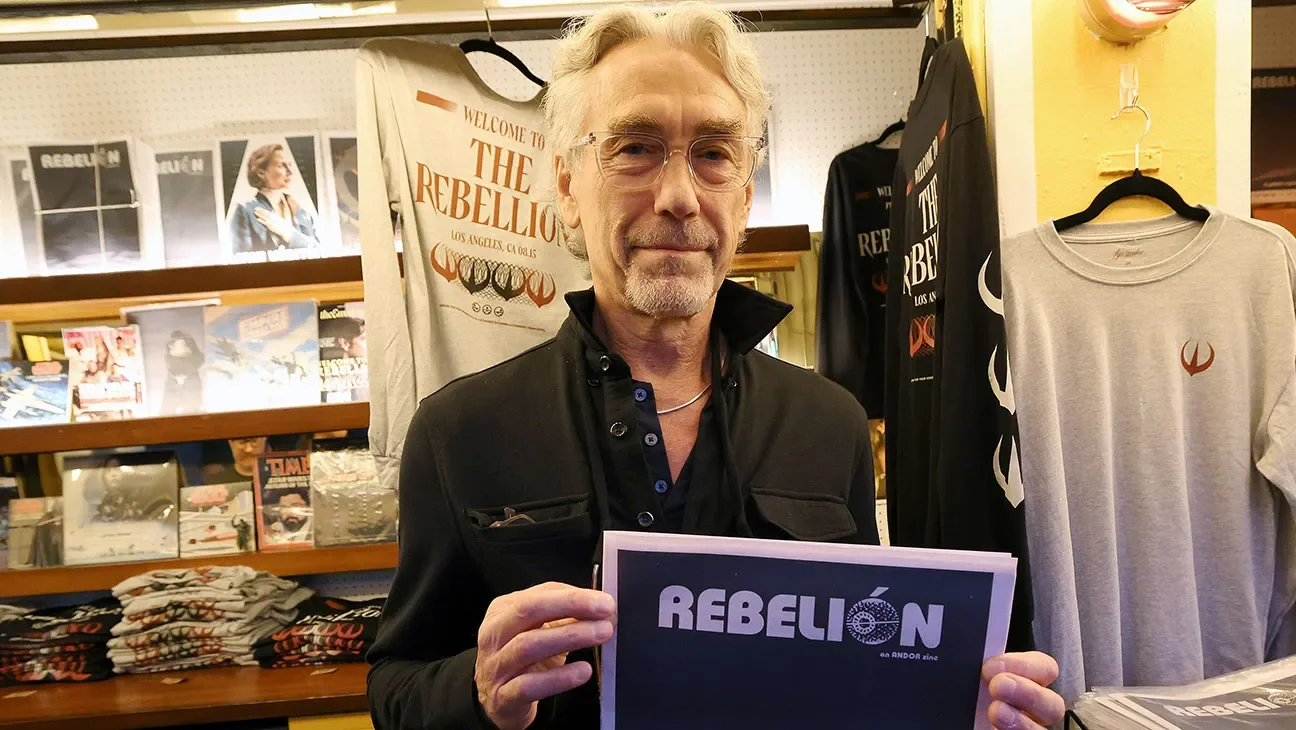
Tony Gilroy’s THR interview explains why Andor’s promotion avoided the word fascism, arguing the show draws on historical models of authoritarianism rather than prophecy; he links Ghorman-era tropes to current U.S. politics, discusses attempts to curb elections amid a hostile narrative, and warns about AI eroding truth, while also weighing Lucasfilm leadership shifts and his Behemoth! project and what it took to tell Andor at scale.
At the 2026 Berlinale, the storytelling around politics has taken center stage as many attendees and organizers avoid political commentary on issues like Gaza and fascism; Wim Wenders urged staying out of politics, Arundhati Roy pulled out in protest, and press conferences became a battleground over whether artists should speak up, with a few voices like Rupert Grint criticizing fascism while others remain quiet, prompting ongoing debate about the artist’s duty in political discourse.
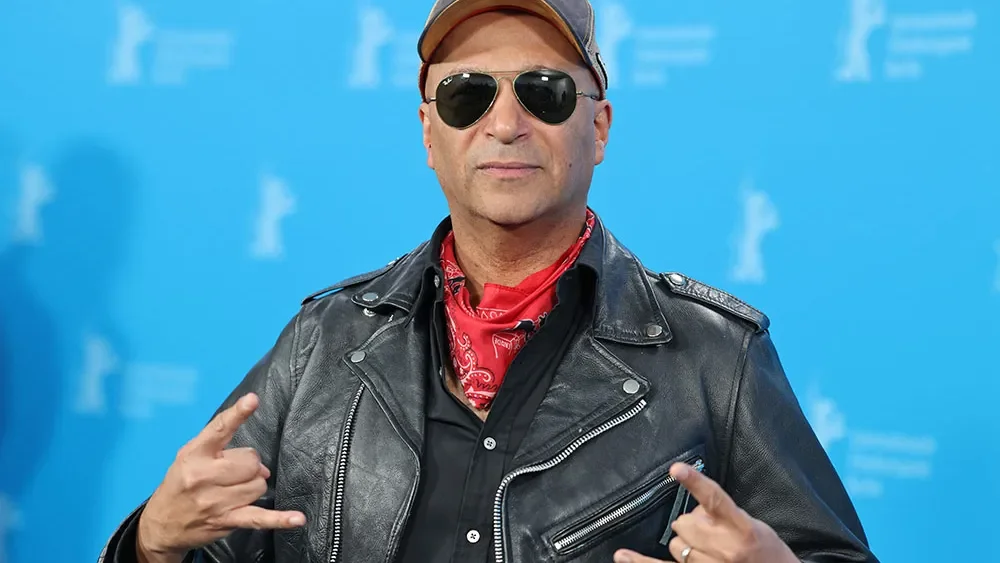
Tom Morello discusses co-directing The Ballad of Judas Priest at the Berlin Film Festival, describing the documentary as a deep dive into Judas Priest’s origins, Rob Halford’s life as a closeted gay man, and the culture wars surrounding the Satanic Panic-era trial, framing the film as a model for using music to confront and resist fascism today.
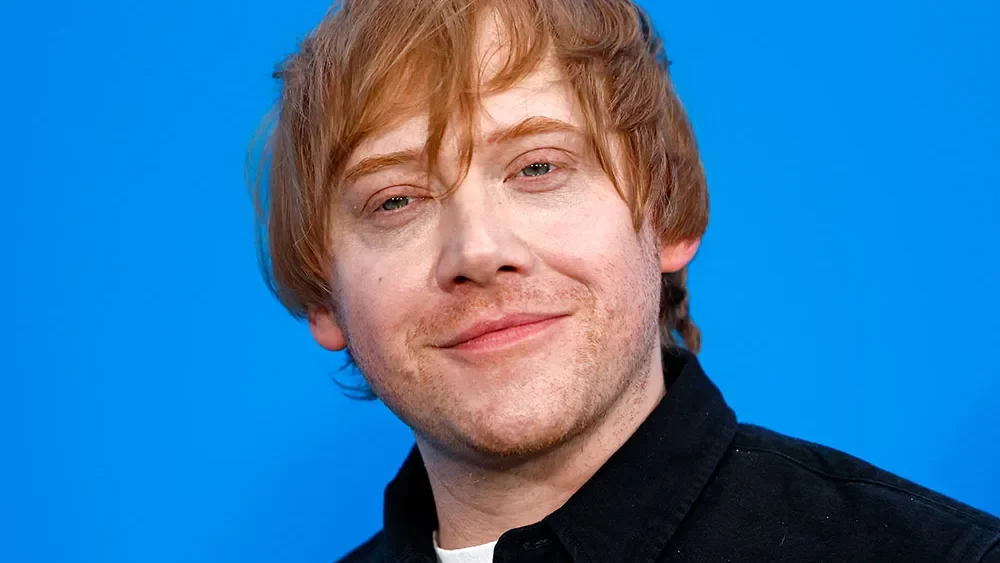
At Berlinale press conference for the Finnish horror Nightborn, Rupert Grint says he’s against fascism and will speak out when the moment is right, while noting the festival’s politics discussions and his past remarks on J.K. Rowling’s anti-trans views. The film Nightborn has its world premiere, and Grint also reflected on HBO’s Harry Potter TV series and how the younger cast’s experience may differ from his own.
The piece argues that the Trump era has escalated into a brutal, theater-like security state: after videos show ICE killing Alex Pretti, Trump and aides push false narratives of terrorism to justify force, while ICE leadership is depicted as performative and propagandistic with limited real results. The narrative ties this pattern to rising authoritarianism, culminating in a White House private screening of a Melania Trump documentary amid the day’s killings and broader political theatrics that blur policy with spectacle.
Robert Reich argues America is at two tipping points: a slide toward a Trump-era fascist police state—exemplified by aggressive federal agents, lies, and expanded state power—and a parallel rise in nationwide solidarity, as communities organize mutual aid, monitor authorities, and defend democratic norms. While some Republicans are leaving the party, Reich sees the second tipping point as a potential counterweight that could outlast the authoritarian turn and push America toward governance by the people.
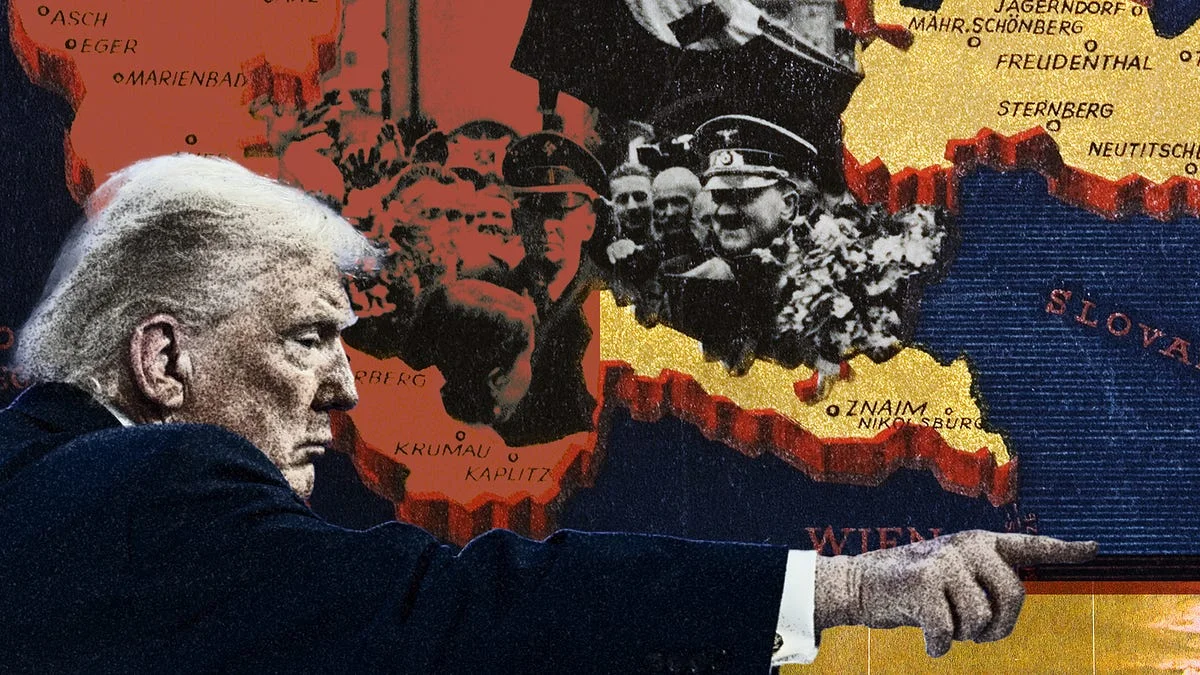
Will Saletan argues that Trump’s Davos pitch to acquire Greenland channels Adolf Hitler’s 1938 Sudetenland appeal, using a security threat and a claim to ‘title and ownership’ to justify aggression, though noting Trump is not Hitler. The piece warns Trump is adopting fascist-style tactics—sidelining Congress, targeting critics, hinting at dictatorship, and stoking anti-immigrant sentiment—raising alarms about democracy and European security. It highlights the Greenland rhetoric as part of a broader pattern of nationalist demagoguery and cautions against normalizing such language.
The article reports that The New York Times argues Trump fits fascist criteria, pointing to actions like bypassing constitutional norms, aggressive foreign moves (e.g., reportedly pressuring Venezuela’s oil reserves) and flirting with seizing other territories, signaling a drift toward autocracy. It notes ongoing debate but emphasizes that the key issue is recognizing the trajectory toward authoritarianism rather than labeling him with a fixed term, and it frames the development as a threat to American democracy ahead of midterm elections.