Leaks and extended shipping delays for the M4 Mac Mini suggest the M5 Mac Mini could debut in June at WWDC, with a base model rumored to start at 512GB of storage and 16GB of RAM, powered by a new M5 chip with Fusion architecture, and a higher-end M5 Pro variant in the lineup, as Apple pivots away from the M4 generation.
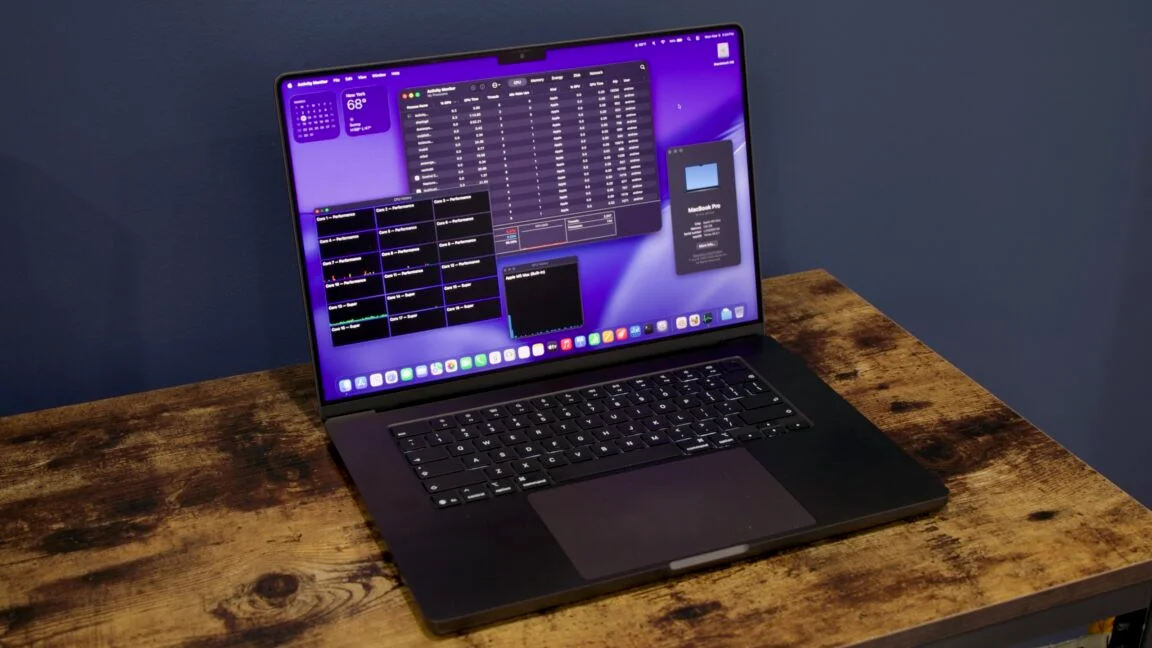
Ars Technica tests the 16-inch MacBook Pro with the M5 Max and explains Apple’s new Fusion Architecture—CPU and GPU live on separate dies—plus a redesigned core lineup: six 'super' high-performance cores and 12 'performance' cores that aren’t just rebranded efficiency cores. The CPU die is shared (18 cores) with the M5 Pro/Max, while the GPU die differs (Pro up to 20 cores, Max up to 40, with up to 614 GB/s memory bandwidth). Benchmarks show roughly 10% higher single-core performance vs M4 Max, about 10–12% better multi-core performance, and 20–35% GPU gains; sustained CPU clocks hover around 3.9–4.0 GHz on the big cores, with the performance cores running around 4.2–4.3 GHz. Power use stays in line with past generations. Overall the M5 Pro/Max deliver a meaningful upgrade, though not as dramatic as some previous leaps.
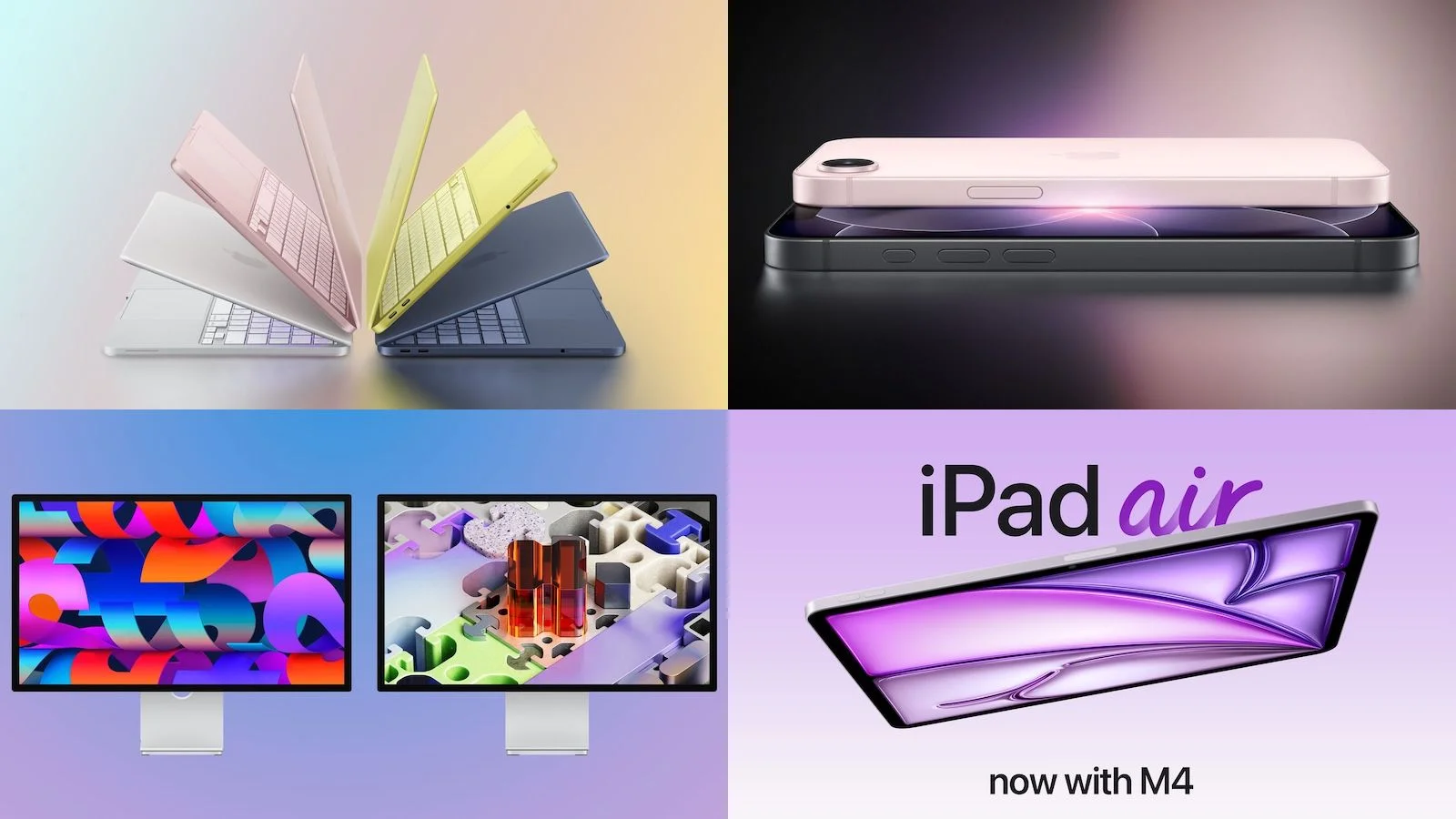
Apple capped a three‑day hardware blitz with seven launches: the budget $599 MacBook Neo powered by the A18 Pro; the $599 iPhone 17e with the A19; new MacBook Pro models built on a first‑of‑its‑kind Fusion Architecture that bonds two 3nm dies; Studio Display XDR and a revised Studio Display; the iPad Air refreshed with the M4 chip, 12GB RAM, Wi‑Fi 7 and a C1X modem; and a refreshed MacBook Air with the M5 and 512GB base storage, along with price bumps across the lineup (Neo and 17e from $599; Studio Display XDR from $3,299; Studio Display from $1,599; Air from $1,099/$1,299).
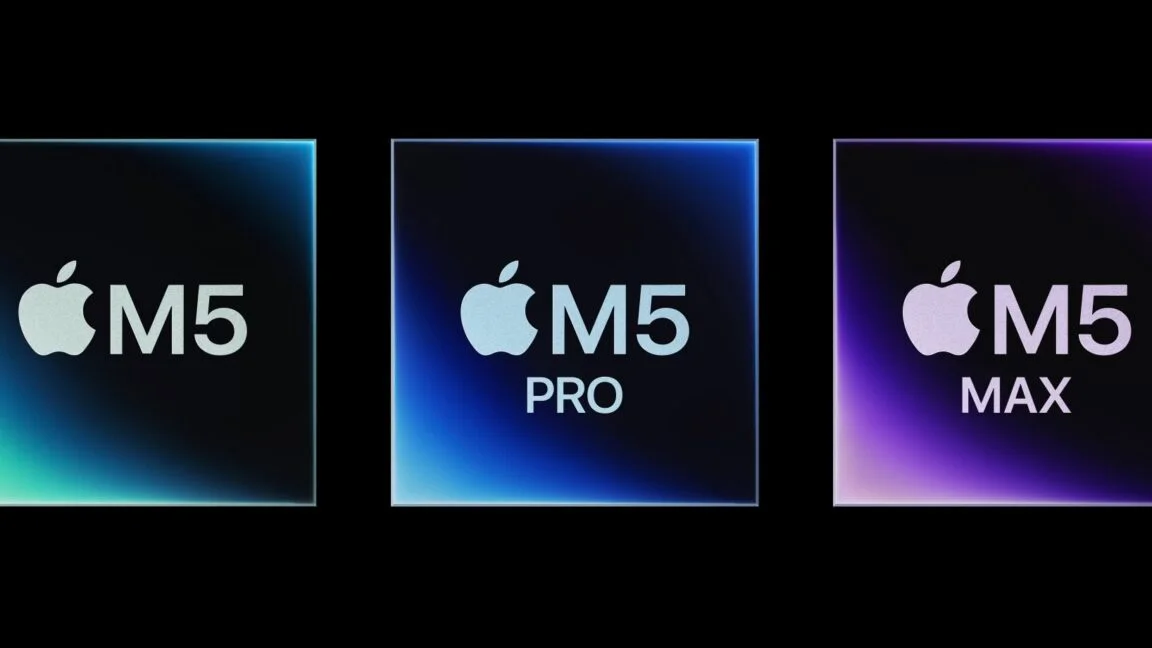
Apple unveils the M5 Pro and M5 Max with a new Fusion Architecture that fuses CPU and GPU chiplets on two dies and introduces a third CPU core type alongside rebranded “super cores” and existing efficiency cores. The Pro tops out at 20 GPU cores with up to 307 GB/s memory bandwidth, while the Max offers 40 GPU cores and up to 614 GB/s, signaling a substantial architectural shift beyond simple core-count increases. Apple hasn’t revealed how this will affect performance in practice or Ultra-scale concepts, which remain to be seen in hands-on testing.