Bally’s, burdened by a heavy debt load, warns its future is in substantial doubt as a Chicago casino project faces a video-gambling dispute, signaling possible restructuring and heightened liquidity risk for the company.
Bally’s Corporation disclosed a going-concern warning in its Q2 filing, saying substantial doubt exists about its ability to continue due to liquidity issues and that it’s pursuing financing options—asset sales, an equity offering, or debt financing—to bolster liquidity ahead of next year’s covenants. Bally’s Chicago’s $1.7 billion development remains fully financed, with a pause on non-gaming amenities tied to a dispute over video gambling terminals, not the liquidity issue. The slowdown has idled about 200 of 1,500 workers and has spurred aldermen to seek a public hearing; Bally’s contends the VGT issue is separate from its financing plans.
Triller, the Nasdaq-listed app once angling to rival TikTok, has left eight employees unpaid for about a year, cut off their emails and health benefits, and reduced headcount as it pivots toward strategic ventures including a SpaceX stake worth over $400 million; auditors warn of going-concern risk amid heavy losses, the company has been delisted and reinstated, and workers have filed wage claims and lawsuits seeking hundreds of thousands in back pay.
Byron Allen agreed to acquire 52% of BuzzFeed for $120 million (roughly $20 million upfront and $100 million due in five years with interest), a deal that comes as BuzzFeed faces declining revenue, mounting losses, and a going-concern note. The move underscores the waning value of 2010s digital publishers and signals Allen’s plan to expand into free streaming video and other formats, while also potentially leveraging BuzzFeed content on CBS and, for at least a year, programming the CBS late-night slot left vacant after Colbert’s departure.
BuzzFeed's 2023 AI pivot aimed to reinvent content and boost engagement, but by 2026 the plan produced steep losses, a crashing stock price, mass layoffs, and a going-concern warning, prompting questions about the viability of its AI-driven strategy.
BuzzFeed’s 2023 pivot to AI failed to boost growth, with AI-generated content underperforming, a dramatic stock drop, a 2025 net loss of $57.3 million, and a formal going-concern warning as liquidity concerns persist, even as leadership promises more AI apps.
Former President Donald Trump's social media company, Truth Social, is not relying on traditional performance metrics and its auditor has expressed doubt about its ability to continue as a going concern due to low revenues and high losses. The company's regulatory filing revealed that it has not used metrics such as monthly active users and is not prioritizing traditional key performance indicators (KPIs) at this early stage of development. Despite disclosing about 9 million sign-ups, the company's stock tumbled after reporting a $58.2 million loss on revenue of $4.13 million. The company aims to rival liberal media and compete with tech giants, but its auditor's report raises concerns about its future viability.
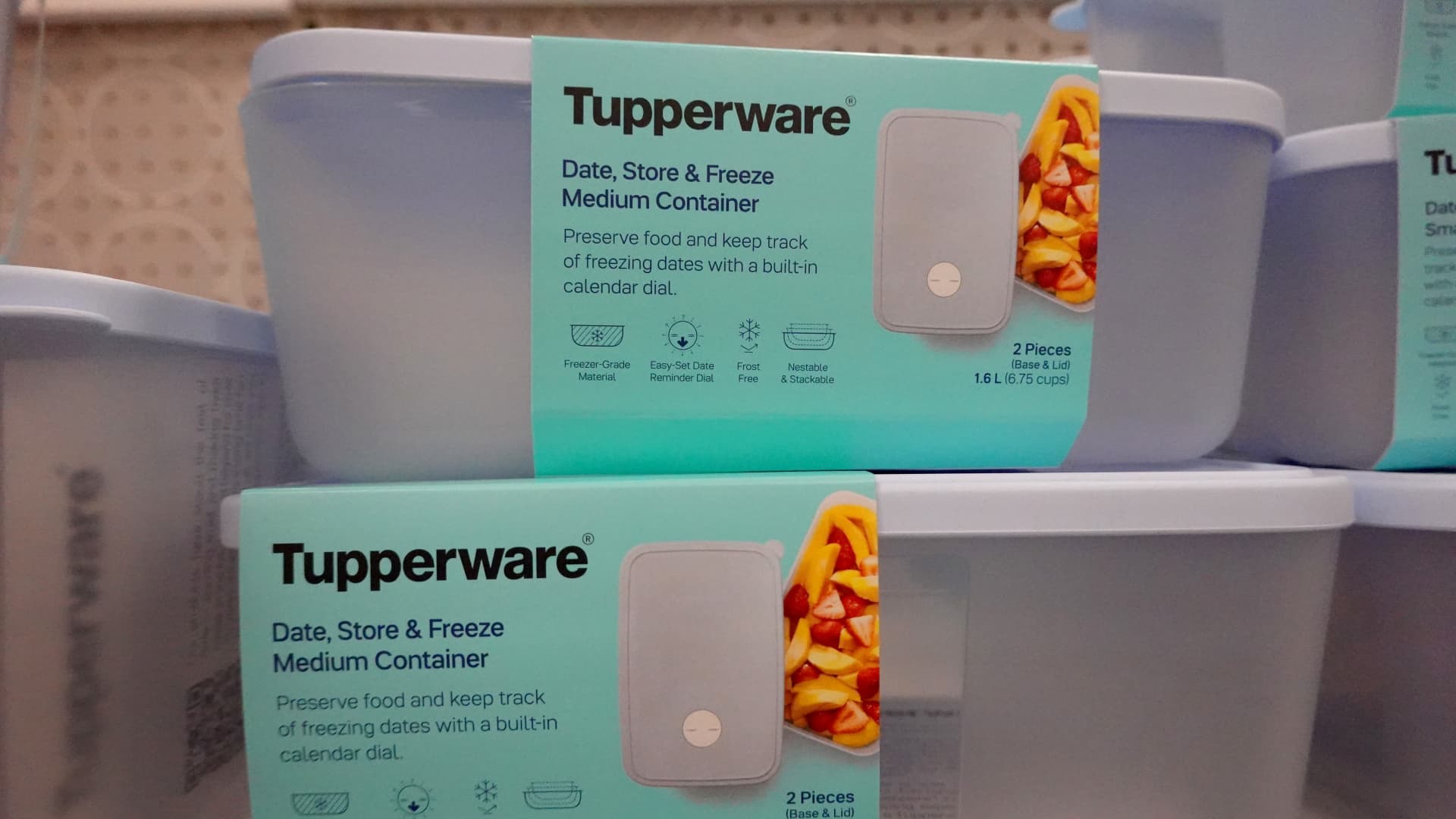
Tupperware Brands, known for its iconic food storage containers, has expressed doubts about its ability to continue as a going concern due to a liquidity crunch and slumping demand. The company, which saw a boost in sales during the pandemic, has reported ballooning losses and faces challenges with increased costs of materials, labor, and logistics. Tupperware has made efforts to address its financial struggles, including appointing a new CEO, hiring an investment bank, and restructuring its debt, but continues to face delays in its financial reporting filings and ongoing material weaknesses in internal control.
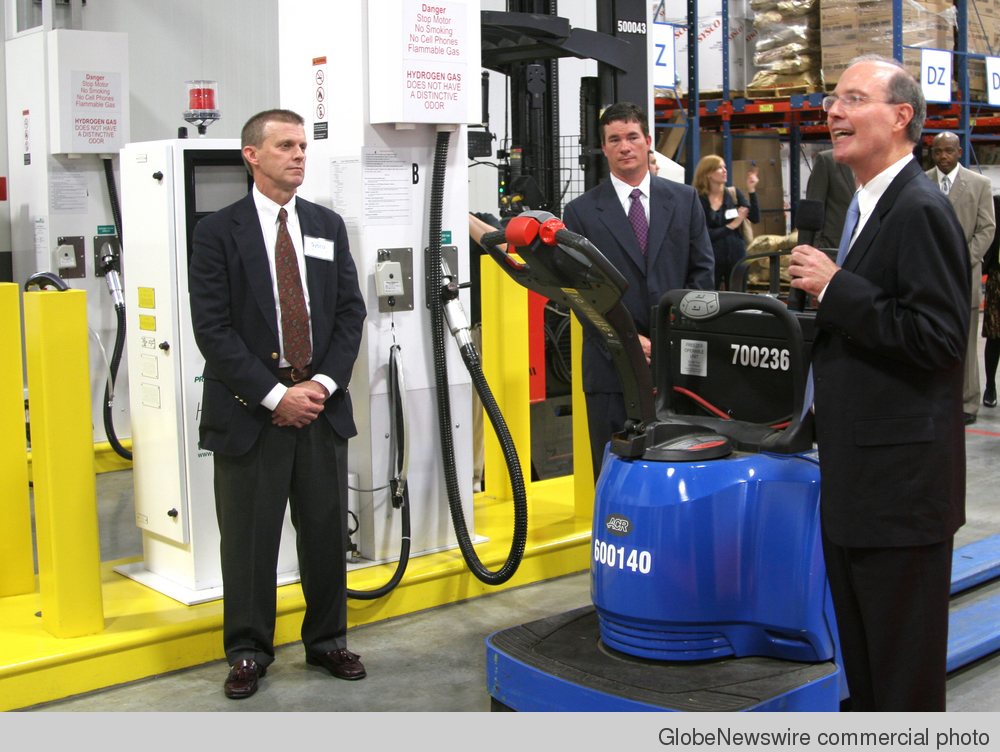
Plug Power's stock initially fell 7.9% in premarket trading after the company's 2023 results missed expectations, with net losses widening to $1.37 billion and revenue dropping 27%. However, the stock pared losses after the company disclosed that it had resolved its "going concern" issues, as stated in its 10-K annual report filed with the SEC. The company had previously warned about doubts regarding its ability to continue as a going concern, but now believes that warning "no longer exists."
Electric vehicle startup Fisker has raised doubts about its ability to continue as a going concern, leading to a 35% plunge in its shares. The company plans to cut its workforce by 15% and is in talks with a large automaker for a potential investment and joint development partnership, while also discussing a potential investment with a debt holder. Fisker's struggles to sell its flagship Ocean electric SUV have led to insufficient resources to cover the next 12 months, and without additional financing, it may be forced to reduce production, decrease investments, scale back operations, and cut more jobs. The company's CEO cited challenges in 2023, including delays with suppliers, and the company has been in talks with automakers for a partnership to secure additional production capacity.
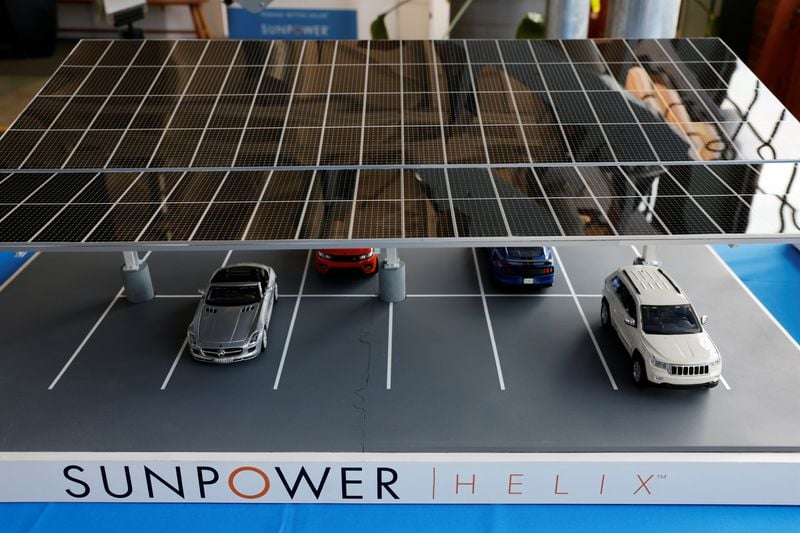
SunPower, a solar company, expressed doubts about its ability to continue as a going concern, causing its shares to drop by 25%. The company also disclosed a breach in its credit agreement due to a delay in filing its quarterly results. SunPower had previously announced the need to restate its financial statements for the last fiscal year and the first two quarters. The lender may demand immediate payment of outstanding borrowings, which amount to $65.3 million. SunPower stated that if it is unable to continue its business, its common stock may have little or no value.
Plug Power CEO, Andy Marsh, expressed confidence in the company's future despite investor concerns following a plunge in PLUG stock. Marsh stated that the company is in a strong position and is actively exploring opportunities to raise cash. He emphasized that Plug Power has zero debt and a $5 billion unleveraged balance sheet. The company is considering options such as debt financing to raise $500 million and slowing down plant openings. Marsh acknowledged the challenges faced by the company but highlighted strong demand from major customers. Plug Power shares have fallen over 70% this year due to concerns about higher rates and falling valuations in the clean energy sector.
Cano Health's stock plummeted by 65% after the primary-care provider issued an earnings warning and expressed concerns about its ability to continue as a "going concern." The company is now actively seeking buyers to sell the company.
Groupon, the Chicago-based online marketplace, issued a "going concern" warning during a weak Q1 earnings report, indicating the company could be insolvent within a year. The company also disclosed it was terminating the lease at its massive River North headquarters two years early. Groupon had a net loss of $29 million in Q1 and about $164 million in cash left as of March 31. The company has been downsizing and retooling amid declining revenues, with two rounds of layoffs eliminating a total of 1,000 positions. The new CEO outlined an eight-point transformation strategy to turn the company around.
Tupperware, the iconic food-storage brand, has hired advisors to help turn around the company after warning it may have to close down. The company issued a going-concern notice after warning it could be heading for a default if its lenders demand payment for maintaining access to the company's main line of credit. Tupperware is exploring all options to regain its financial footing, including accessing new lines of credit, tapping new investors, selling some of its real estate, and further cost-cutting. Despite still seeing more than $1 billion in quarterly global sales, it lost $28.4 million in its most recent quarter amid higher costs, inflationary pressures, and lower sales.