The Washington Post reports that ICE has begun deporting Haitians who lost Temporary Protected Status back to Haiti—the first such flight since TPS protections ended for about 350,000 Haitians in the U.S.—in what community leaders described as one of the largest removal operations, as immigration arrests and enforcement ramp up.
With Temporary Protected Status for roughly 330,000 Haitians ending on Aug. 5 after a Supreme Court dispute, many are weighing leaving the United States and some are pursuing refuge in Canada, notably in Quebec. Crossing into Canada carries significant legal risk under a 2023 border agreement, and those who evade capture can still face refugee processing or deportation. Migration groups say interest in leaving the U.S. has grown since TPS ended, while Canada’s asylum system has seen rising activity — Haitians accounted for part of the 14,192 asylum claims in 2025, including 1,734 Haitians in Q1. DHS describes TPS as temporary and notes those who leave voluntarily can receive a $2,600 payment and a free flight home, but loss of TPS also means loss of work authorization and tougher choices for families, including residents of Massachusetts and other states.
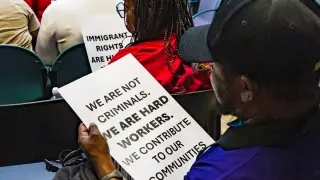
Hundreds gathered in Blue Ash near Cincinnati to support Haitian immigrants from Springfield ordered to report for ICE check-ins after Temporary Protected Status was terminated. The Ignite Peace–Miami Valley Immigration Coalition event drew roughly 500–550 attendees, who chanted solidarity and highlighted the toll of losing work permits and driver’s licenses as some immigrants travel about 70 miles for check-ins and ankle monitors were issued to some. Organizers pressed for due process and a legal pathway for residency amid the new immigration requirements.
With TPS protections for Haitians ending after court rulings, former beneficiaries face possible detention and deportation, now living under enforcement worries, ankle monitors, and official notices as they seek new paths. Businesses lose workers and communities see reduced activity as fear drives Haitians to stay indoors or leave the country, while advocates warn of economic and social fallout and urge a legislative fix.
A federal judge cleared the Trump administration to terminate Temporary Protected Status for about 350,000 Haitians, risking mass job loss and deportation as communities, employers, and workers brace for upheaval.
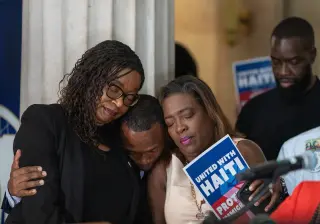
Temporary Protected Status for Haitians ends on Monday, affecting more than 350,000 people in the United States, including a large South Florida community facing potential deportation; individuals like Farah Larrieux, a resident since 2005, are weighing asylum options while the government says Haiti is safe to return, a claim contested by the UN and U.S. State Department due to ongoing violence; many are left in limbo as they await the next steps for staying in the U.S. or leaving.
U.S. ICE plans a large-scale operation to locate and arrest Haitian nationals whose Temporary Protected Status is ending after a Supreme Court ruling, with Ohio identified as a hotspot due to its sizable Haitian population; sources say the sweep could begin within days and would affect more than 300,000 Haitians, reflecting the administration’s push to terminate Haiti’s TPS designation.
More than 330,000 Haitians in the United States could lose their temporary protected status, threatening family stability as many rely on TPS to work—including about 13,000 nursing assistants. The Supreme Court allowed TPS termination, prompting fears of deportation to an unsafe Haiti and labor disruptions across service sectors that rely on immigrant workers. DHS argues TPS is temporary and not a path to permanent residency, while advocates warn of significant impacts on communities, healthcare facilities, and the broader economy amid ongoing safety concerns in Haiti.
A U.S. appeals court in Washington, D.C. denied the Trump administration’s bid to terminate Haitian Temporary Protected Status immediately, delaying the end of TPS to July 27 and giving roughly 350,000 Haitians extra time to prepare, amid ongoing lawsuits and efforts in Congress to extend protections.
Florida Rep. Carlos Giménez breaks with the Trump administration by opposing ending Haitian TPS, arguing it would be a huge mistake and urging TPS protection for Haitians while backing restoring TPS for Venezuelans after earthquakes; the House previously passed HR 1689 to extend Haiti TPS to 2029, and the measure awaits Senate action, with other GOP leaders like DeWine and Lawler warning of negative impacts on states and services.
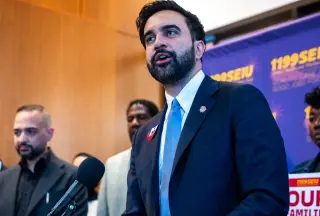
Hours after the Supreme Court revoked Temporary Protected Status protections for about 330,000 Haitians and 6,000 Syrians, SEIU 1199 and New York officials gathered at a Manhattan union hub to condemn the ruling as harmful, warn of its impacts on healthcare and communities, and pledge to defend immigrant rights with resources for affected residents.
The Supreme Court's 6-3 decision to end Temporary Protected Status for Haitians and Syrians triggers widespread anxiety in New York's immigrant communities, sparking nonstop calls for guidance, looming job losses as work permits expire, and intensified efforts by local groups to provide legal aid and know-your-rights resources.
Ohio Gov. Mike DeWine urged President Trump to rethink ending Temporary Protected Status for Haitians, arguing safety concerns from Haiti’s gang violence and the jobs Haitians hold in Ohio justify treating them with refugee-like relief, even as the Supreme Court clears TPS termination from judicial review. About 350,000 Haitians nationwide are on TPS, including more than 10,000 in Ohio; DeWine stressed policy should guide decisions. DHS Secretary Mullin outlined options for Haitians—pursue permanent residence, obtain another visa, or return with government assistance—while noting a compensation figure of roughly $2,100 per person for those who return.
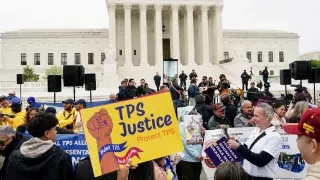
The Supreme Court ruling allows the Trump administration to end Temporary Protected Status for Haitians (about 350,000 people) and Syrians (about 6,000), meaning they would be required to leave the U.S. and could receive a $2,600 incentive plus potential airfare; timing is unclear but could take effect in the coming days, prompting concern from migrant advocates about family stability and possible ICE enforcement, with broader questions about TPS for other nationalities.
The Supreme Court's ruling to end Haitian TPS for about 350,000 people adds new uncertainty to families in Florida, where Haitian women bear the heaviest burden—balancing work, caregiving, remittances, and child safety—while considering whether returning to Haiti is safe amid violence and disasters; migration-related stress worsens mental and physical health, highlighting women's resilience and leadership in Florida's Haitian communities.