

Tag

Heart Remodeling

All articles tagged with #heart remodeling

Dim bedroom light linked to structural heart changes in large UK study
health1 month ago

Dim bedroom light linked to structural heart changes in large UK study

A new analysis of over 11,000 adults indicates that sleeping in rooms with light levels exceeding 3 lux is associated with adverse changes in heart structure and function. Participants wore wrist sensors for one week, and follow-up cardiac MRIs three years later revealed that those exposed to dim light, equivalent to moonlight or light under a door, had thicker left ventricular walls and reduced pumping efficiency compared to those in complete darkness. While experts note the study’s observational nature and sensor limitations, the findings suggest that minimizing nighttime light exposure could be a simple preventive strategy for cardiovascular health.
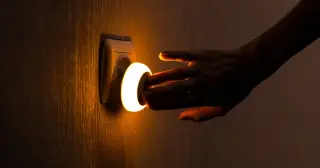

Nighttime brightness may reshape the heart and raise cardiovascular risk, study finds
health1 month ago

Nighttime brightness may reshape the heart and raise cardiovascular risk, study finds

A UK Biobank-based study of 11,071 adults published in the European Heart Journal finds that nighttime light exposure above 3 lux during sleep is linked to subtle heart remodeling (slightly larger left ventricle, thicker walls, reduced contraction) and a higher long-term risk of heart failure, heart attack, stroke, and cardiovascular death over up to 10 years. The study is observational and relied on a week of wrist-worn light sensors; it did not assess light spectrum. Possible mechanism includes circadian disruption. Simple fixes like blackout curtains and warmer bedside lighting may help, but more research is needed to establish causality.

Nighttime light exposure linked to heart remodeling, study finds
health1 month ago

Nighttime light exposure linked to heart remodeling, study finds

A UK Biobank study of over 11,000 adults found that sleeping in more than 3 lux of light at night thickens the walls of the left ventricle and reduces the heart’s pumping efficiency, with greater damage as bedroom brightness increases. The effect is partly tied to shorter sleep duration (under five to six hours). The study, published in the European Heart Journal, used wrist light sensors and follow-up MRI three years later. Experts caution that wrist sensors aren’t a perfect proxy for eye exposure and that the findings show association, not causation. Practical tips include blocking ambient light with blackout curtains or a sleep mask, and clinicians/policymakers may consider nighttime light reduction as a potential heart disease prevention strategy.