Candlelight’s hidden cost: indoor air polluted by ultrafine candle particles
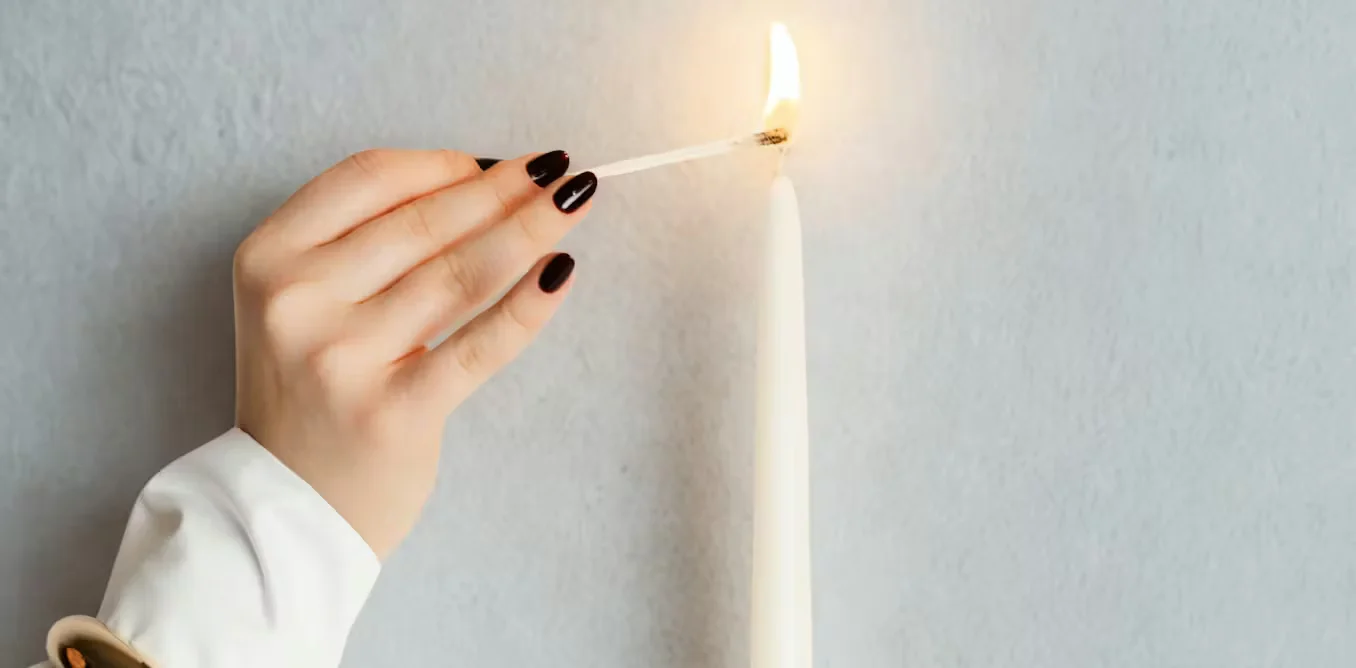
A Danish study finds that burning candles releases vast numbers of ultrafine particles (about 7–8 nanometers) and gases like nitrogen dioxide and PAHs, in some cases more than cooking, and these tiny particles can penetrate deep into the lungs and potentially the bloodstream. Even mild asthma showed measurable inflammation after exposure. To reduce risk, use LED candles, burn fewer candles, place them away from drafts, trim wicks, and ventilate the room after use; indoor air quality matters for everyone, especially those with respiratory conditions.