Tag

Asthma

All articles tagged with #asthma

All That Alum Christy Knowings Dies at 46
obituaries11 days ago

All That Alum Christy Knowings Dies at 46

Christy Knowings, a cast member of Nickelodeon’s All That who appeared for three seasons, died at 46 after suffering an asthma attack that left her with brain damage; life support was removed in the Los Angeles area, with her aunt announcing the death on Facebook and noting no disclosed cause beyond the brain injury. Knowings later appeared on Sesame Street with her twin brother Chris Knowings. Her passing marks the second former All That cast member to die in 2026, following Kianna Underwood’s death earlier in the year.

AI-powered remote care slashes COPD and asthma hospitalizations
technology24 days ago

AI-powered remote care slashes COPD and asthma hospitalizations

Intermountain Health and CareCentra’s iCARE program monitored about 1,200 COPD and adult asthma patients across five Utah hospitals over two years using an AI-enabled platform fed by spirometers, pulse oximeters, connected inhaler devices, and wearables. The system detects early deterioration, nudges patients, and escalates to pulmonary navigators, cutting hospitalizations by 50%, emergency visits by 20%, and total care costs by 57% while increasing navigator capacity from roughly 30 to about 220 patients. Results were shared at the ATS 2026 conference, with plans to scale the technology across 34 hospitals.

Nighttime fan use: cooling benefits, allergy risks, and how to use safely
lifestyle29 days ago

Nighttime fan use: cooling benefits, allergy risks, and how to use safely

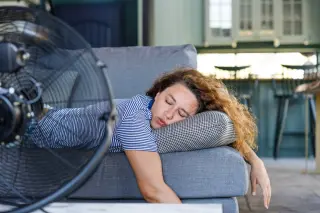
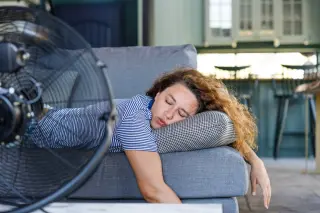
Using a fan at night can help you cool off by moving air, but concentrated airflow can irritate allergies and dry the nose, throat, and skin and may cause neck stiffness or congestion. To minimize issues, oscillate the fan or point it away from you, keep room humidity at 30–50%, clean the fan and HVAC filters, vacuum to reduce dust, and consider saline nasal spray if you experience dryness. Overall, it’s unlikely to cause long-term harm when used with precautions.

The Nightly Fan: Cooling Comfort With Allergy and Dryness Risks
lifestyle1 month ago

The Nightly Fan: Cooling Comfort With Allergy and Dryness Risks

Sleeping with a fan can help cool you, but concentrated airflow may aggravate allergies or asthma, dry nasal passages, and cause skin irritation or stiffness in the neck. To reduce risks, use oscillation or indirect airflow, keep the room and fan clean, maintain humidity around 30-50%, and consider saline nasal spray if you wake with dryness; overall, it’s unlikely to cause long-term harm.

Inhaler mastery: simple steps to boost asthma relief
health1 month ago

Inhaler mastery: simple steps to boost asthma relief

Many patients misuse inhalers, but adopting a spacer and following steps—exhale fully, press the canister while inhaling slowly, hold the breath, then exhale—can improve medication delivery. Rinsing the mouth after use helps prevent thrush, and with 30+ inhalers on the market, patients should follow their doctor’s instructions for the specific device. Be aware that rescue inhalers are for immediate relief while maintenance inhalers may sometimes be used on-demand; if you taste medication or notice hoarseness, have your technique reviewed by a clinician.

Fresh scents, clean air: how to scent your home without indoor air pollution
wellbeing3 months ago

Fresh scents, clean air: how to scent your home without indoor air pollution

Experts warn that candles, diffusers and other scented products release VOCs and nanoparticles that can impair lung function and worsen respiratory issues; to minimize risk, choose fragrance products that are phthalate-free, ensure good ventilation, and consider safer, non-fragrance alternatives to keep your home feeling fresh without polluting the air.

Wet Winter Spurs a Brutal Tree Pollen Season on Long Island
health5 months ago

Wet Winter Spurs a Brutal Tree Pollen Season on Long Island

Long Island's snowy, wet winter is expected to fuel an intense tree pollen season this spring, with early bloom and rising pollen counts already appearing. Doctors advise preemptive use of nasal steroids or antihistamines and practical steps to minimize exposure (close windows, use AC, air filters, and shower before bed), especially for those with asthma or respiratory conditions.

Weather shifts and mold tied to Hamilton County asthma surge
health5 months ago

Weather shifts and mold tied to Hamilton County asthma surge

Hamilton County is seeing an asthma surge, with about 31,000 adults and 7,300 children affected, and prevalence rising from 9.4% in 2019 to 13% in 2021. Experts point to outdoor triggers like mold after rain and thunderstorms, plus pollen and weather patterns, as possible drivers. The piece notes a new FDA-approved treatment, Extensure from GSK, aimed at reducing ER visits and hospitalizations for severe asthma, and emphasizes monitoring symptoms and regular follow-ups with a primary care doctor.

Candlelight’s hidden cost: indoor air polluted by ultrafine candle particles
health5 months ago

Candlelight’s hidden cost: indoor air polluted by ultrafine candle particles

A Danish study finds that burning candles releases vast numbers of ultrafine particles (about 7–8 nanometers) and gases like nitrogen dioxide and PAHs, in some cases more than cooking, and these tiny particles can penetrate deep into the lungs and potentially the bloodstream. Even mild asthma showed measurable inflammation after exposure. To reduce risk, use LED candles, burn fewer candles, place them away from drafts, trim wicks, and ventilate the room after use; indoor air quality matters for everyone, especially those with respiratory conditions.

Nose signals explain why colds hit some people harder
health6 months ago

Nose signals explain why colds hit some people harder

A Yale-led study shows that how quickly nasal cells mount an interferon response to rhinovirus largely determines cold severity: a rapid response can limit infection to under 2% of nasal cells and cause mild or no symptoms, while a blocked or delayed response can let around 30% of cells become infected, leading to mucus production and inflammation. Researchers say other factors—bacteria, genetics, chronic illness, and prior immunity—also influence outcomes, and real-life confirmation is needed. The findings could eventually guide therapies that target inflammation to reduce symptoms.