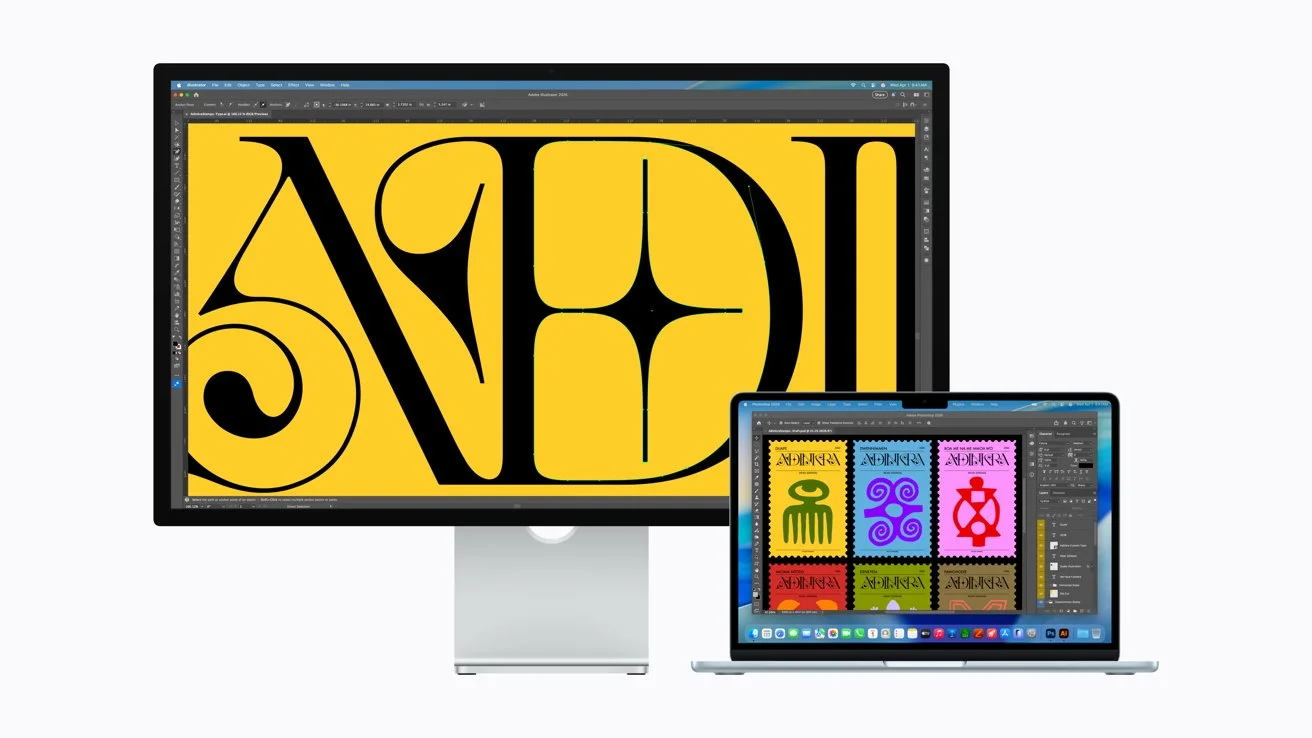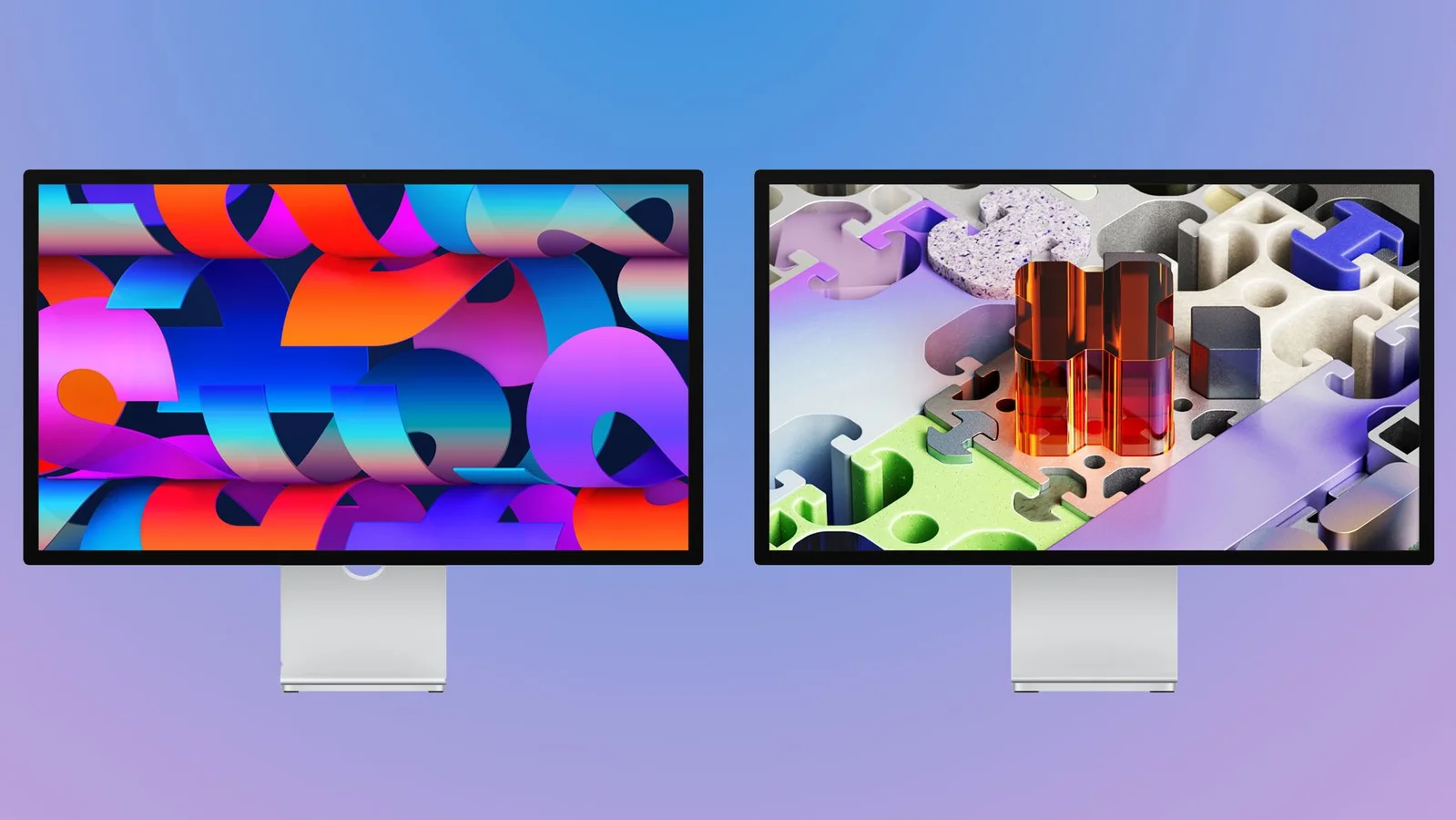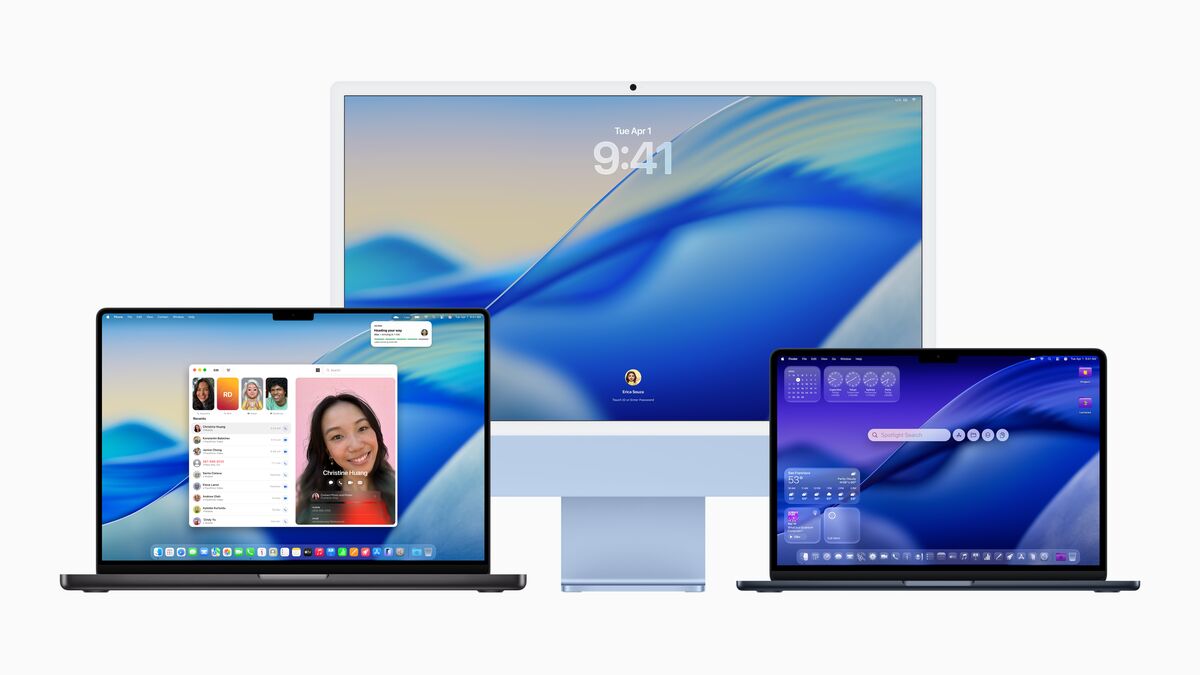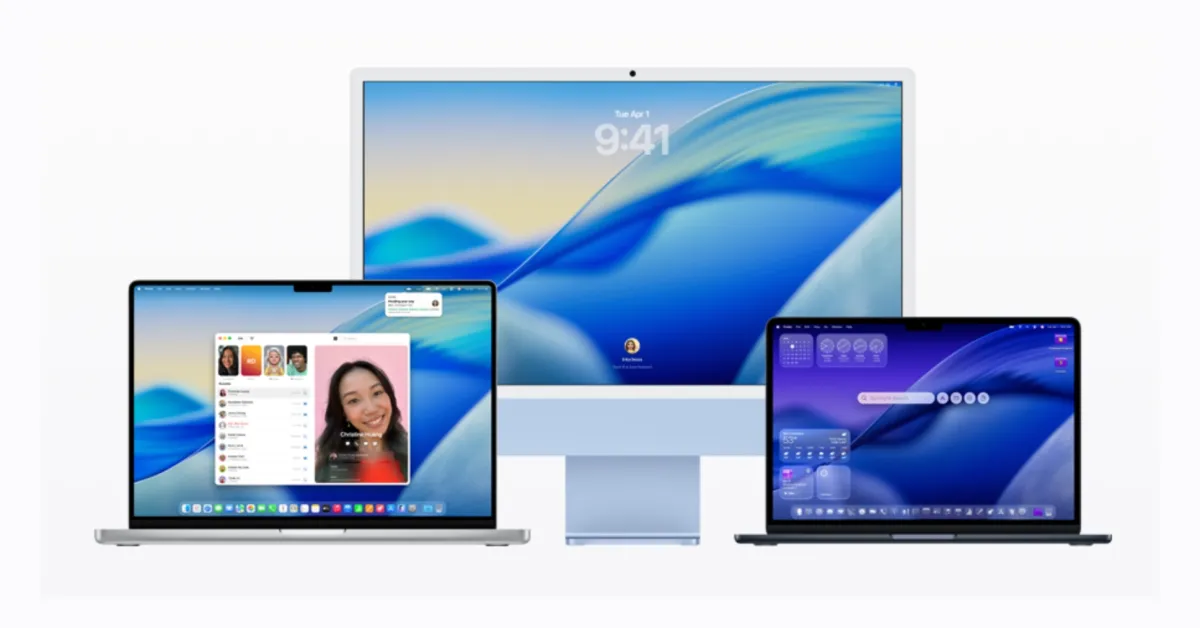
Apple’s Studio Display XDR won’t work with Intel Macs at all, and even on supported Apple Silicon Macs it’s limited to 60Hz (no 120Hz), according to Apple’s compatibility notes.
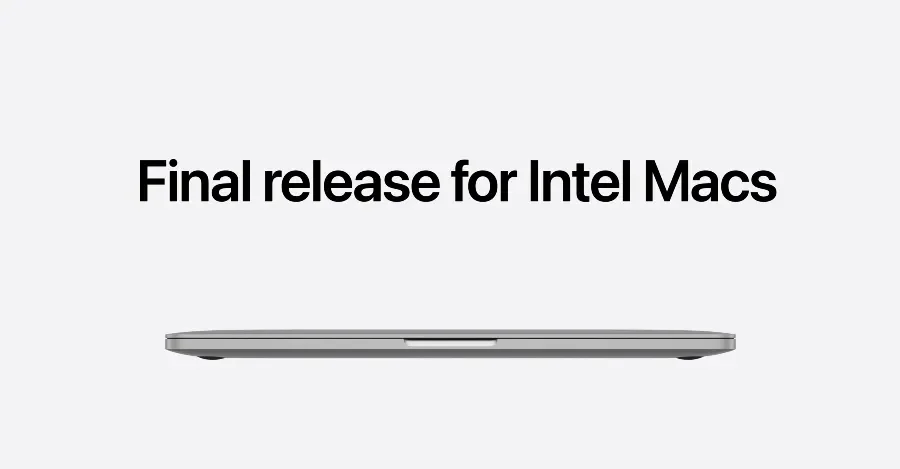
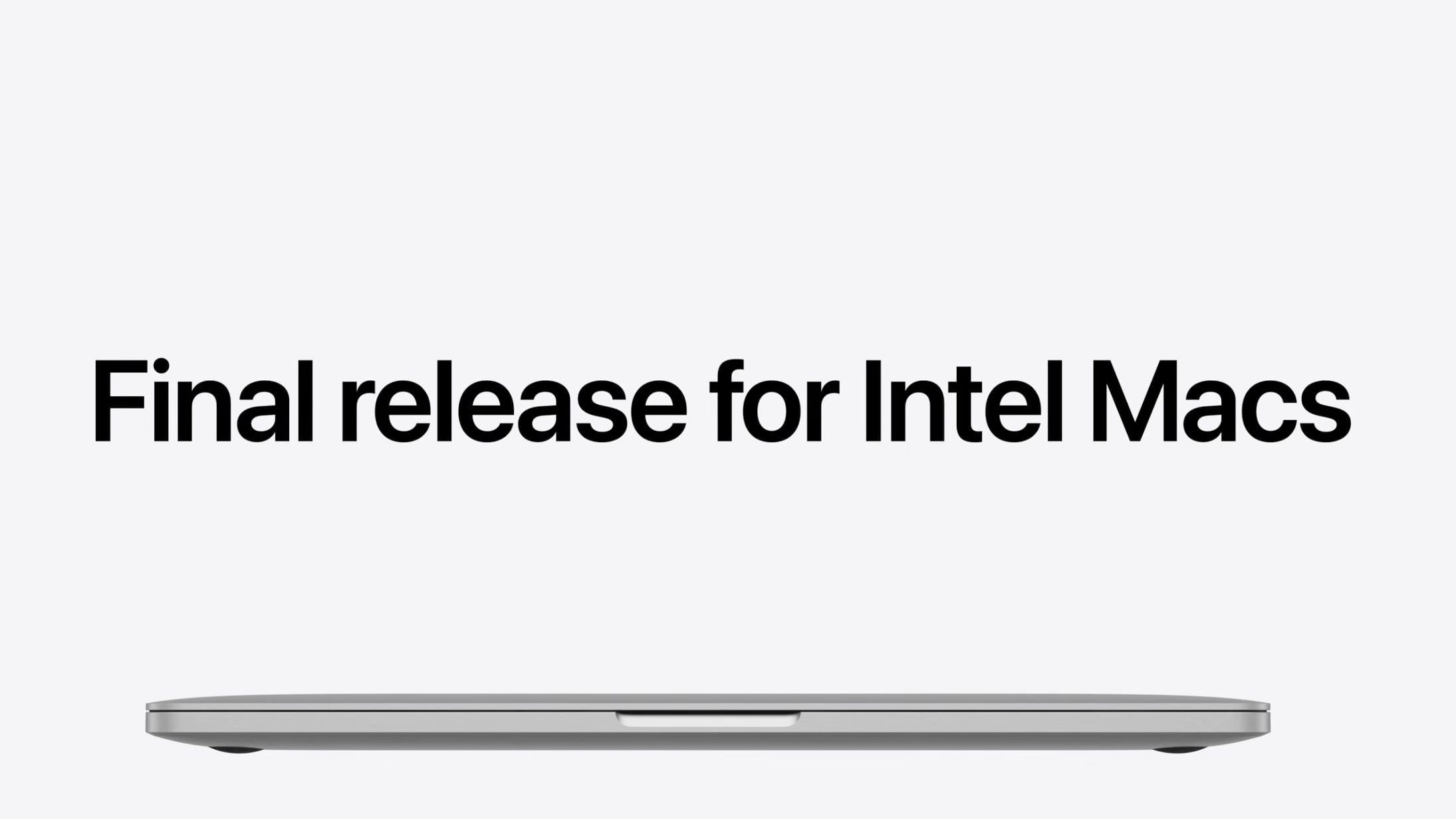
Apple confirms the new Studio Display and Studio Display XDR do not work with Intel-based Macs; only Apple Silicon Macs are listed as compatible. This continues Apple's shift away from Intel, with macOS Tahoe serving as the final update for Intel Macs and security updates promised for three more years. Pre-orders for the displays begin March 4 at 9:15 a.m. ET.
macOS Tahoe 26.4 now shows a warning when launching apps that use Rosetta 2, indicating they will stop working after Rosetta 2 support ends with macOS 27. Apple reiterates that Tahoe will be the last macOS version to support Intel Macs, with full end-of-life for Intel-based machines expected in September 2026; some older or unmaintained titles may still run in Linux VMs beyond macOS 27, and there could be limited security fixes.
Apple's announcement that macOS Tahoe will be the last version supporting Intel Macs marks the end of support for older hardware, impacting OpenCore and Hackintosh communities. While OpenCore Legacy Patcher can still extend the life of older Macs temporarily, future macOS updates will only support Apple Silicon, leading to the decline of Hackintosh and OpenCore projects. The communities are somewhat resigned but nostalgic, recognizing this as the end of an era for running newer macOS versions on unsupported hardware.
Apple announced that macOS Tahoe 26 will be the last update supporting Intel-based Macs, as support for these devices will end with macOS 28, with only limited Rosetta 2 functionality remaining for older apps. Full support for Intel Macs will cease next year, but security updates will continue for three more years, marking the end of an era as Apple fully transitions to its custom silicon.
Apple will end support for Intel Macs with the release of macOS 27, which will be the last to support Intel models, and will phase out Rosetta 2, limiting its use to older, unmaintained apps, encouraging developers to transition to Apple Silicon-native or universal apps. Support for macOS Tahoe will continue until fall 2028 with security updates.
Apple announced that macOS Tahoe will be the final major update for Intel-based Macs, which will no longer receive new features after this release, though security updates will continue for three years. The transition to Apple Silicon is complete, with newer Macs focusing on this architecture, and users are encouraged to migrate their apps accordingly.
Apple announced that macOS Tahoe 26 will be the final operating system to support Intel-based Macs, marking the end of support for legacy Intel systems, with support continuing for two more years for existing devices.
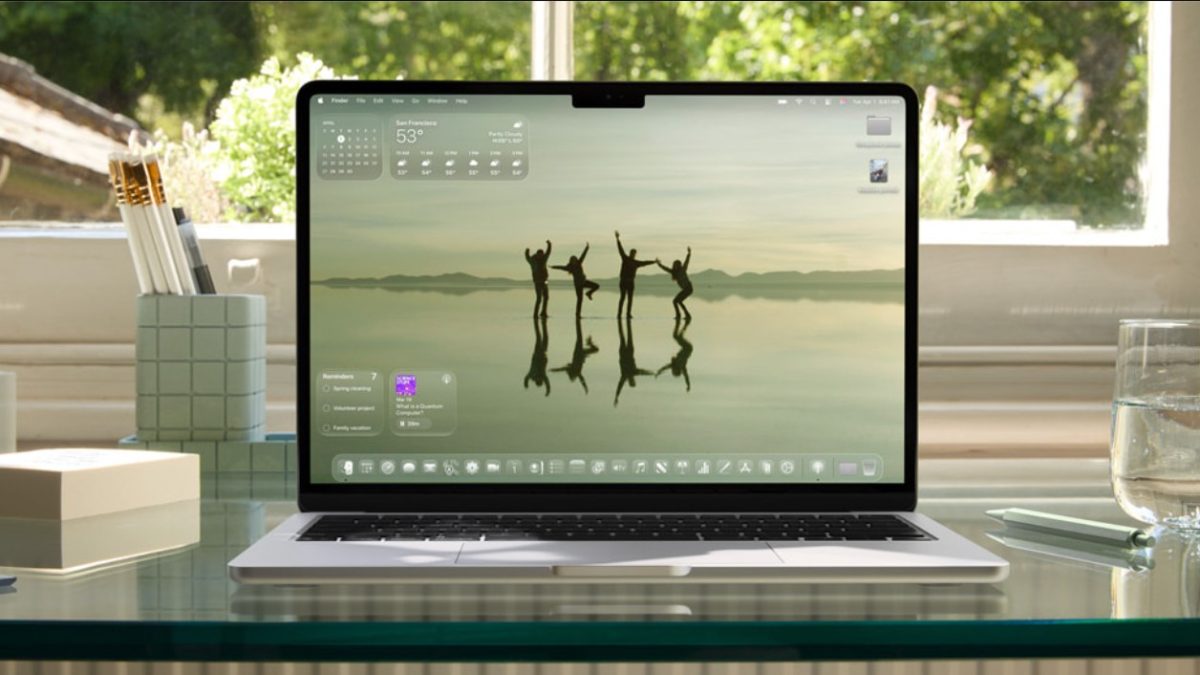
Apple announced that macOS Tahoe will be the final update for Intel-based Macs, which will no longer receive major updates beyond security patches as Apple shifts focus to Apple silicon devices, starting with the M1 Macs launched in 2020.
Apple announced that macOS 26 Tahoe will be the last version supporting Intel Macs, with future releases like macOS 27 only compatible with Apple Silicon Macs from 2020 onward, although Intel Macs will still receive security updates for a few more years.
Data analysis of Mac models reveals that Intel Macs released between 2009 and 2015 can expect to receive seven or eight years of macOS updates, while those released in 2016 and 2017 will receive about six years. This marks a two-year drop compared to earlier Macs. Although the last Intel Macs will still receive longer support than the last PowerPC Macs, they will have fewer years of software update support than any other Macs released in the past 15 years. The future of the remaining Intel Macs suggests they may only have a year or two of macOS updates left.
Apple's latest operating system, macOS Sonoma, has new features that are only available to Macs with Apple Silicon, not Intel-powered Macs. These features include Presenter Overlay, React with your hands, Game Mode, and improved Siri functionality. macOS Sonoma will be available to the general public later this year and supports a limited number of Intel-powered Macs.
With the introduction of the Apple Silicon Mac Pro, Apple has completed the transition and booted all Intel Macs from its current lineup. However, the macOS Sonoma update will still run on a couple of generations of Intel Macs, but in general, if you're using anything made before 2018 or anything without an Apple T2 chip in it, you won't be able to run the new OS. Apple has been dropping support for Intel Macs a bit more quickly in the Apple Silicon era than it was during the height of the Intel Mac era in the early- to mid-2010s.