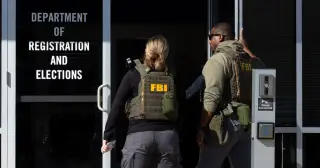
A Georgia judge heard Fulton County’s bid to reclaim seized 2020 ballots in a dispute with the Trump administration, after FBI agents removed the materials as part of a federal review; the case centers on custody of the ballots and is continuing in Fulton County.
A federal judge will weigh Fulton County’s request to have thousands of ballots returned after they were seized by the DOJ during the 2020 election investigation, a move the county says relied on debunked theories. The court ruling could impact the DOJ’s broader election probes and how such seizures are viewed in future cases.
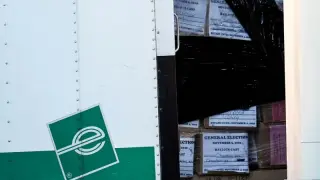
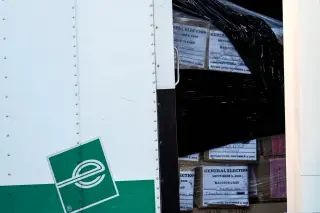
Fulton County, Georgia, asks a federal court to return more than 650 boxes of 2020 election materials seized from its elections office by the FBI under a search warrant, arguing the seizure violated Fourth Amendment rights and should be kept for safekeeping pending the dispute. U.S. District Judge Jean-Paul Boulee will hear the case on Friday after previously denying a quest to compel FBI testimony; the DOJ says the county seeks to disrupt an ongoing federal investigation into election-record maintenance and potential irregularities.
The Justice Department’s investigation into the 2020 election faces its first public court test in Atlanta as Fulton County seeks the return of FBI-seized 2020 ballots. Prosecutors argue the warrant was proper and the materials are needed for the probe, while the county contends the affidavit omitted important context. U.S. District Judge JP Boulee will weigh whether the seizure and related disclosures were lawful and whether guardrails should limit how such warrants are used in ongoing investigations, a ruling with implications for the wider probe and related actions, including a separate Arizona subpoena.
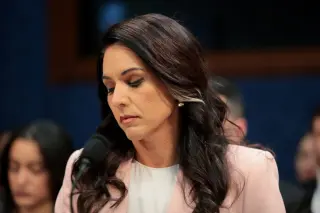
Director of National Intelligence Tulsi Gabbard testified that Trump directed her to observe the FBI’s Fulton County raid on a Georgia election facility, though she said she did not participate in law enforcement and could not confirm whether Trump knew about the warrant in advance, a revelation that raises questions about presidential involvement in a county-level search tied to election-related disputes.
Former DOJ officials allege the FBI used a misleading warrant to seize Fulton County's 2020 election records, arguing key context was omitted and warning that keeping copies of seized materials could set a dangerous precedent for future elections; Judge Boulee postponed testimony and urged an out‑of‑court resolution, while civil-rights groups seek to limit DOJ access to the records.
Fulton County officials allege an FBI agent misled a federal judge to obtain the warrant that led to the seizure of more than 650 boxes of election records, including original ballots, during the 2020 election probe. They’re pressing for the agent, Hugh Evans, to testify in a hearing ordered by a Trump-appointed judge, amid revelations that the affidavit relied on debunked election‑denier claims and may have failed to establish probable cause; a clerk holding the records, Che Alexander, has joined the lawsuit to recover the materials and challenges to the warrant’s execution and the seizure’s legality under the Fourth Amendment.
Rapper Lil Poppa, 25, was found dead in Fulton County as autopsy results are pending; investigators are examining the death. The Florida-born artist signed to Yo Gotti’s label in 2022, had two albums chart on the Billboard 200, released a new single 'Out of Town Bae' recently, and was planning a birthday concert in New Orleans.
Fulton County officials fault the FBI’s search-warrant affidavit for relying on biased witnesses and failing to establish probable cause, as they seek the return of seized 2020 election records and challenge the document after the DOJ released the affidavit detailing alleged defects in Fulton County’s election handling and debunked fraud claims.
Fulton County, Ga., officials allege the Justice Department and FBI omitted crucial information and relied on questionable witnesses in the FBI affidavit used to justify a search of the county’s 2020 election ballots. They say the filing describes routine election mistakes rather than a crime and failed to disclose prior investigations that could undermine witnesses’ credibility. The county seeks the return of the materials and has pressed to unseal more documents, with a court hearing set next week.
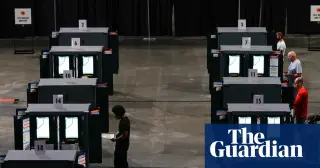
The NAACP asked a judge to issue protections to prevent misuse or disclosure of voter information seized by the FBI from Fulton County’s election facilities in Georgia, arguing that sensitive data must be safeguarded during ongoing investigations.
ProPublica reports that Thomas Albus, the Missouri U.S. attorney overseeing a Georgia election investigation, held fall meetings with Trump-aligned DOJ lawyers Ed Martin and Kurt Olsen to discuss “election integrity,” foreshadowing the January FBI raid on Fulton County's election materials and revealing a network of Missouri-linked officials with longstanding ties to Trump. Albus later appeared as the government attorney on the search warrant that seized roughly 700 boxes of Georgia election material, highlighting questions about political influence and the preparations behind the raid.
ProPublica examines how Kevin Moncla, a controversial researcher whose Fulton County fraud claims have been rejected by election officials, has become a central figure in the federal probe that led to the FBI’s seizure of 2020 election records in Fulton County. Activists tied to Mitchell’s Election Integrity Network say the DOJ used Moncla’s materials in lawsuits against the county, though the underlying affidavit remains sealed and experts warn that relying on debunked assertions could undermine the raid’s legitimacy. Moncla notes investigators spoke with him and defends his 263-page report, while acknowledging a past voyeurism conviction but saying it has no bearing on his current research.
Fulton County officials filed an emergency motion after the FBI seized about 700 boxes of 2020 election materials, including ballots, from the county’s election hub, arguing the highly public raid could chill voting and undermine confidence in ballot security, and seeking the records’ return. In unsealed filings, Chair Robb Pitts attacked the operation as designed to intimidate voters, and a judge ordered the DOJ to publicly unseal the warrant affidavit to reveal probable cause; the filings also note the presence of national officials at the scene and raise questions about bypassing civil proceedings to obtain the records.
A federal judge has ordered the search warrants from the FBI’s Fulton County Elections Hub raid to be unsealed; the investigation involved the seizure of 700 boxes of ballots and voter data after agents initially used an incorrect location for 2020 election records, and the warrants have not yet been released publicly.