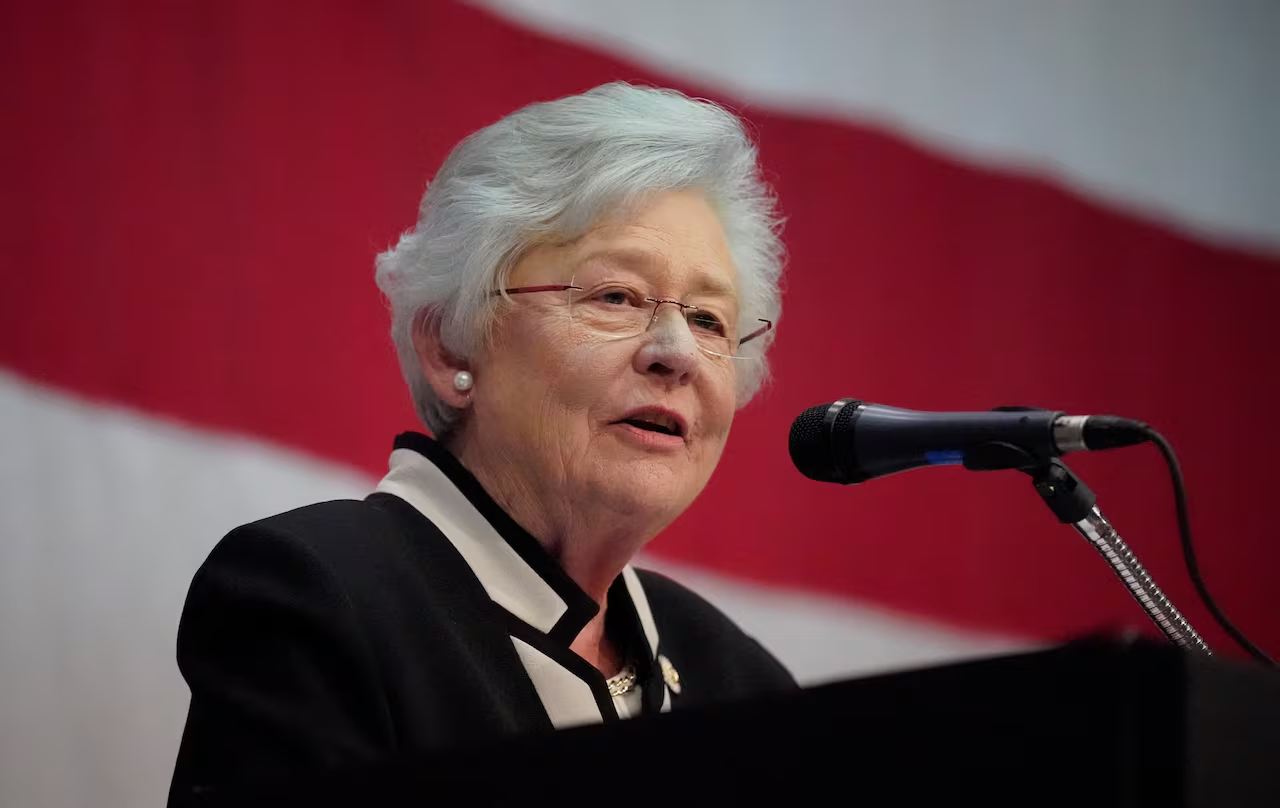
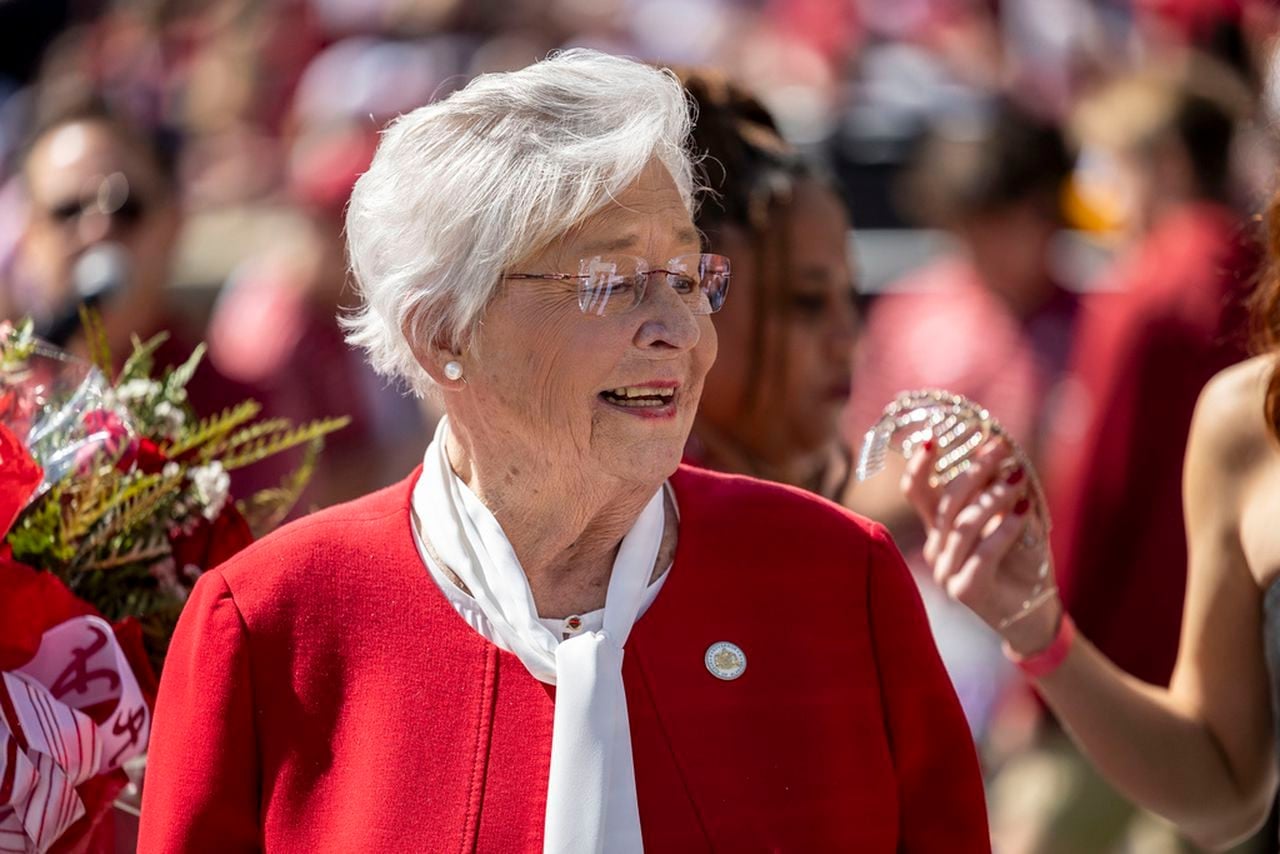
Amid a chaotic Alabama special session, the state petitions the Supreme Court while Governor Kay Ivey signs redistricting-related bills to prepare for upcoming map changes and elections.
Following a Supreme Court ruling that weakens the Voting Rights Act, Gov. Kay Ivey called a five-day special session to redraw Alabama's congressional map ahead of the May 19 primary, aiming to move away from current two majority-Black districts and potentially boost GOP representation in November, while lawmakers plan contingency timelines amid court action.
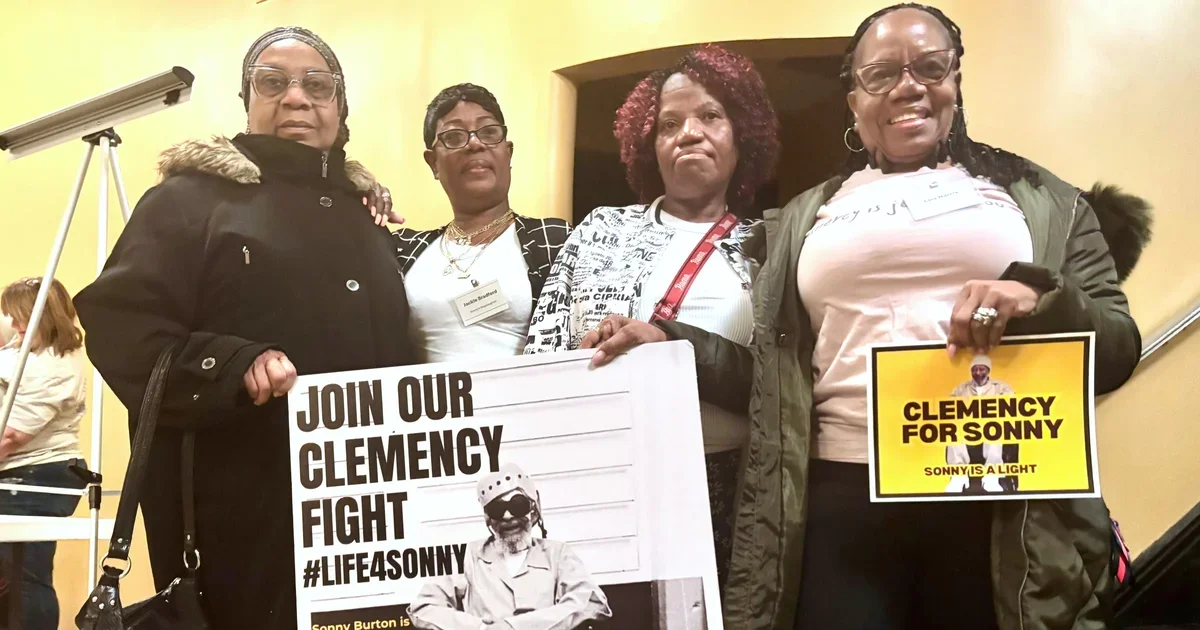
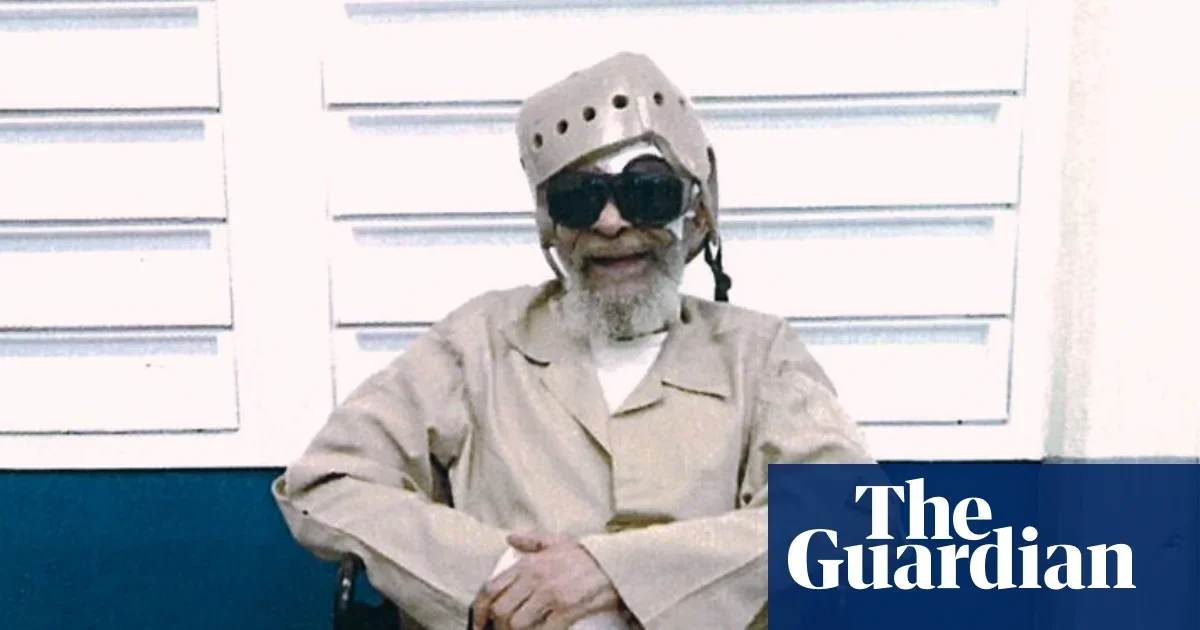
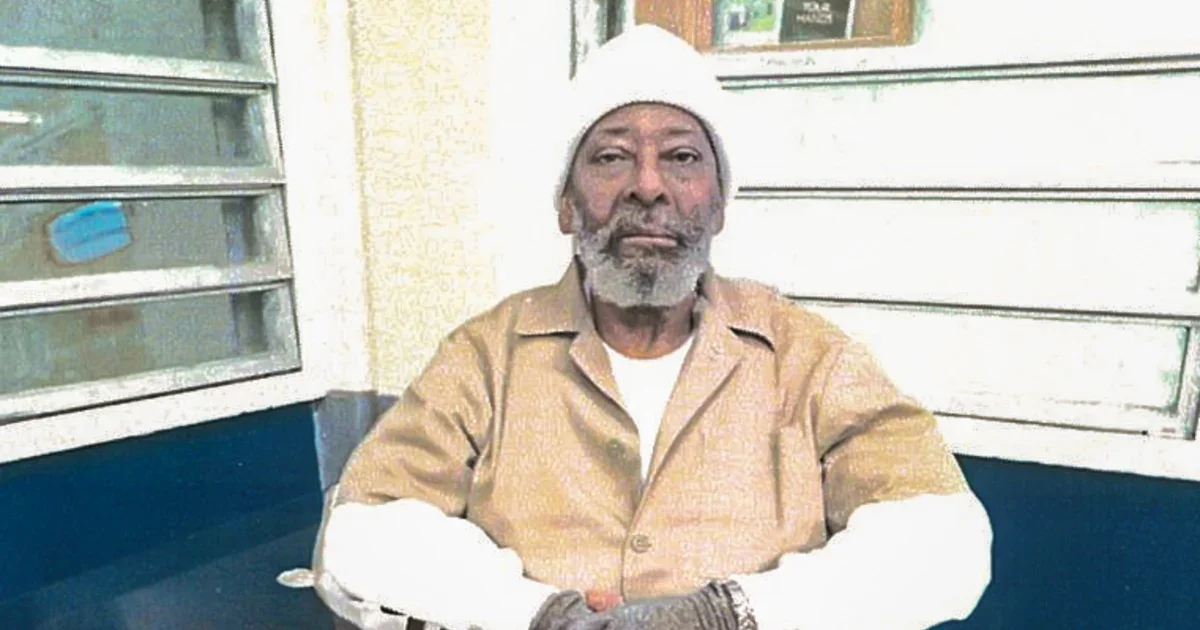
Alabama Gov. Kay Ivey commuted 75-year-old Charles 'Sonny' Burton's death sentence to life without parole after determining he wasn't the shooter in the 1991 AutoZone killing; Derrick DeBruce fired the fatal shot. Burton was scheduled for execution by nitrogen gas, and the clemency marks Ivey's second death-penalty clemency since taking office in 2017. Supporters and jurors argued it would be unjust to execute Burton when the actual shooter faced a different fate.
Alabama Gov. Kay Ivey commuted 75-year-old Charles 'Sonny' Burton's death sentence to life without parole after determining the actual killer, not Burton, was responsible for the victim's death; Burton was set to be executed by nitrogen gas, and this marks Ivey's second death-penalty clemency since taking office in 2017.
Alabama Gov. Kay Ivey commuted the death sentence of Charles ‘Sonny’ Burton to life without parole, citing it would be unjust to execute Burton while a co-defendant who actually fired the fatal shot faced a different sentence, in a 1991 AutoZone robbery tied to a killing.
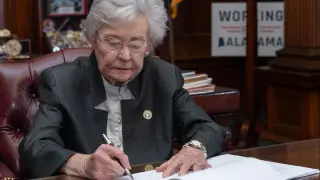
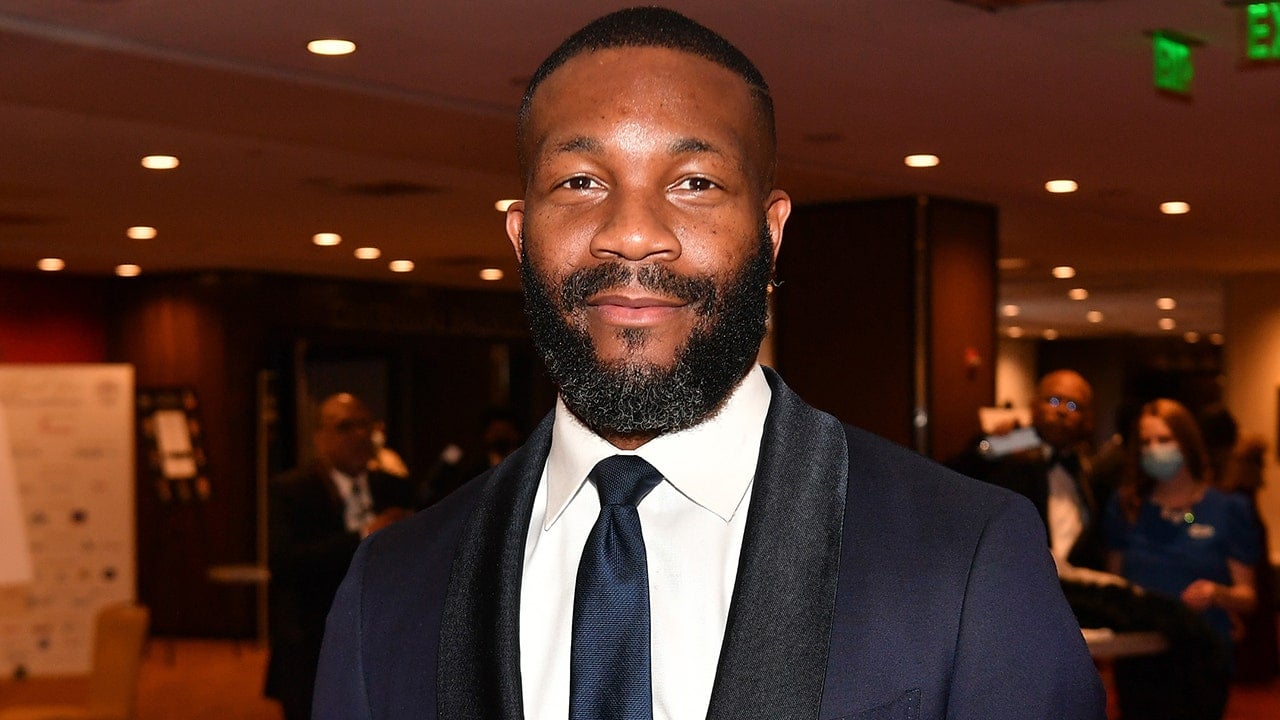
Birmingham Mayor Randall Woodfin remained silent as Alabama Governor Kay Ivey signed a bill banning diversity, equity, and inclusion programs at public schools, universities, and state agencies, despite Woodfin previously stating that he would advise Black athletes and parents to seek education elsewhere if the bill passed. The legislation limits teaching "divisive concepts" about race and gender at public colleges and universities and requires transgender students to use the bathroom that aligns with their biological sex, with DEI programs and discussions still allowed on campuses as long as they do not use state funds.
Alabama Gov. Kay Ivey has signed a bill that prohibits diversity, equity, and inclusion programs at public schools, universities, and state agencies, as well as the teaching of "divisive concepts." This move is part of a broader trend among Republican lawmakers targeting such programs, with critics arguing that it undermines progress in creating an inclusive society. Additionally, an Alabama House committee has advanced legislation that would ban teacher-led discussions on sexual orientation and gender identity in public schools, sparking concerns about the impact on LGBTQ+ rights.
Alabama Gov. Kay Ivey has signed a bill that prohibits diversity, equity, and inclusion programs at public schools, universities, and state agencies, as well as the teaching of "divisive concepts." This move has sparked criticism from opponents who argue that it undermines progress in creating an inclusive society. Additionally, an Alabama House committee has advanced legislation that would ban teacher-led discussions on sexual orientation and gender identity in public schools, as well as displaying Pride flags in classrooms.
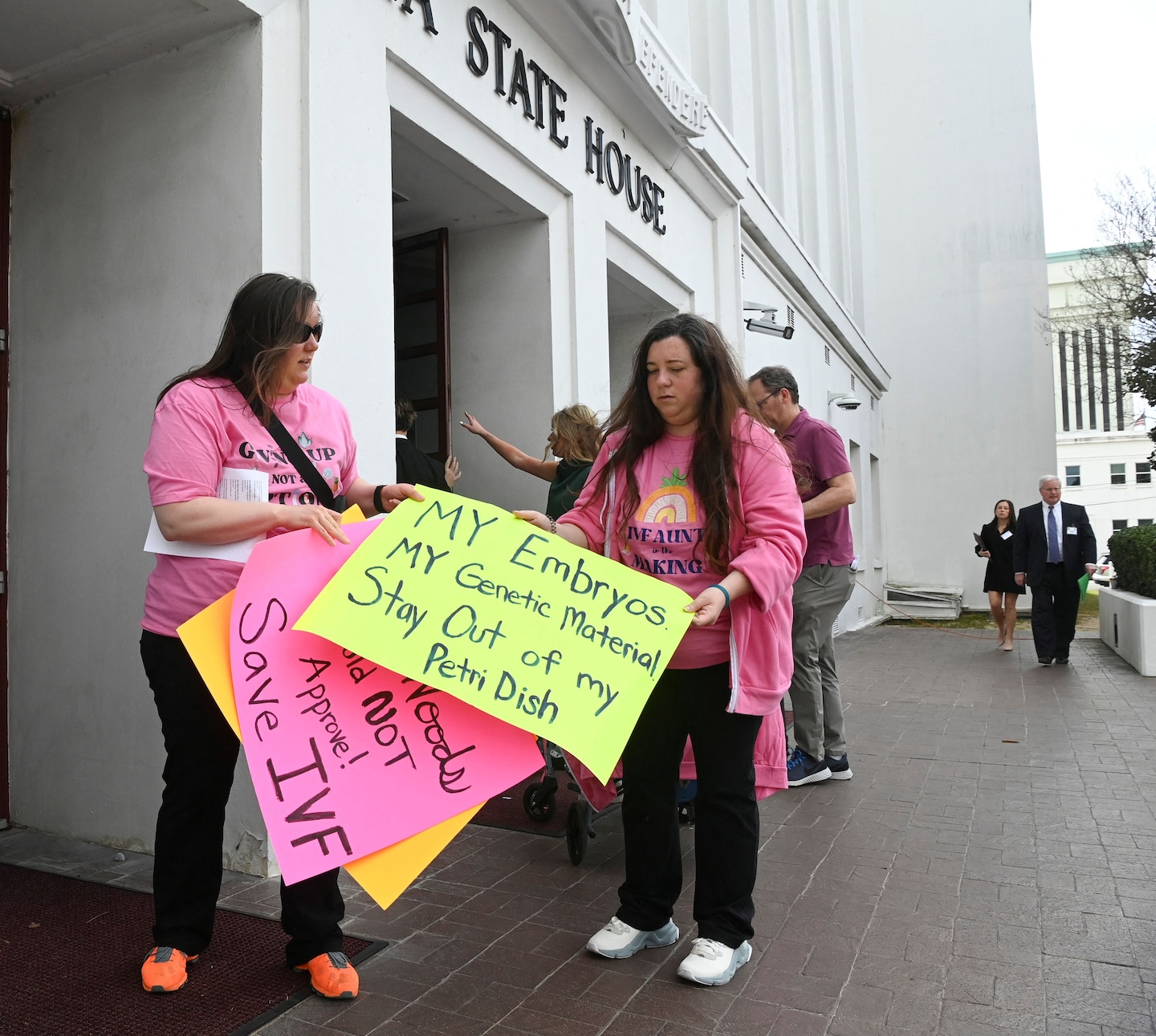
Alabama Governor Kay Ivey signed a bill providing legal immunity to patients and providers involved in in vitro fertilization (IVF) after a recent state Supreme Court ruling threatened the treatment's use by deeming frozen embryos as people. The bill shields providers and patients from legal liability for damage to embryos related to IVF, aiming to protect access to the treatment in the state. While the law offers legal immunity for IVF clinics and related goods, it does not address the question of whether frozen embryos are considered people. The swift legislative response aims to safeguard IVF and reproductive care against future court challenges, with advocates viewing the law as a victory for women in Alabama.
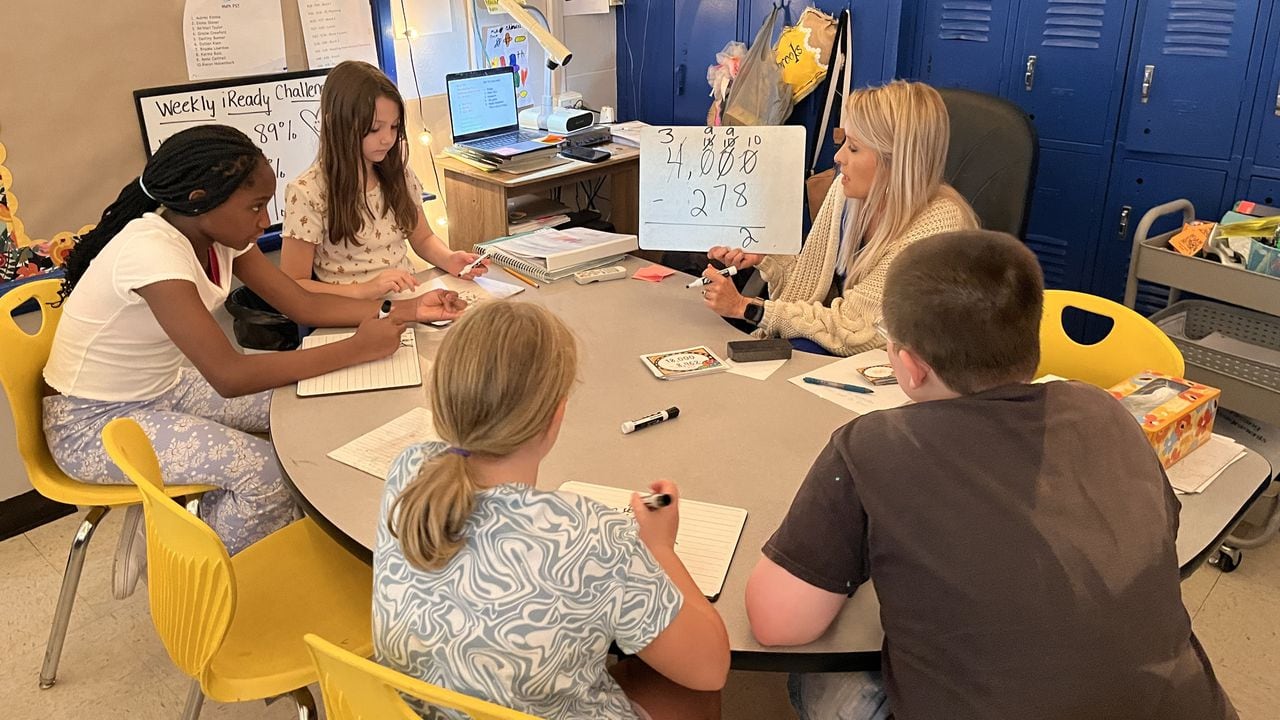
Alabama Governor Kay Ivey proposes raising the starting teacher salary to $47,600, the highest in the South, with a 7.6% increase and a 2% raise for teachers with three or more years of experience. The proposal also includes education savings accounts, school choice expansion, increased funding for math and reading instruction, and school security updates. The Alabama Education Association is cautiously optimistic about the proposal, acknowledging the need to keep up with neighboring states' salary increases.
Alabama Governor Kay Ivey and supporting senators have proposed a $100 million plan to introduce education savings accounts (ESAs) in the state, potentially providing up to $7,000 per student for families who opt out of sending their children to their local public schools. The plan prioritizes support for low-income families and students with disabilities, with the goal of eventually making the ESA program universal. Participating schools and vendors would directly bill the Alabama Department of Revenue for approved educational expenses, and participating students would be required to take standardized tests.
Alabama Governor Kay Ivey expressed support for legislation to allow voters to decide on a lottery and proposed an educational savings account program. She also discussed plans to improve public schools, establish a healthcare sciences school, and address election-related issues. Additionally, Ivey highlighted efforts to combat human trafficking and improve the state's use of artificial intelligence, while addressing the ongoing challenges within Alabama's prison system.
Alabama Governor Kay Ivey expressed support for Texas Governor Greg Abbott in the ongoing dispute with the Biden administration over immigration enforcement, stating "Texas, you can count on Alabama to have your back." Abbott had accused the Biden administration of failing to enforce federal immigration laws, triggering Texas' "constitutional right to self-defense." It remains unclear what specific actions Ivey's administration will take to support Abbott.
Alabama Governor Kay Ivey has strongly opposed the United Auto Workers (UAW) union push at the Mercedes-Benz plant in Vance, Alabama, stating that the state's economic model is "under attack." The UAW announced that about 1,500 workers at the plant have joined the union, marking a significant development in the traditionally non-unionized auto industry in the Southeast. Mercedes-Benz has expressed willingness to respect the workers' decision, while Governor Ivey emphasized the importance of maintaining Alabama's successful automotive industry without interference from out-of-state special interest groups.
Alabama Governor Kay Ivey has replaced her director of early childhood education, Barbara Cooper, over the use of a teacher training book, written by the National Association for the Education of Young Children (NAEYC), that Ivey denounced as teaching "woke concepts" because of language about inclusion and structural racism. The book is a guide for early childhood educators and is not a curriculum taught to children. The NAEYC did not address Ivey's statements but said the book is a research-based resource for educators. Alabama's First Class voluntary pre-kindergarten programs operate more than 1,400 classrooms across the state.