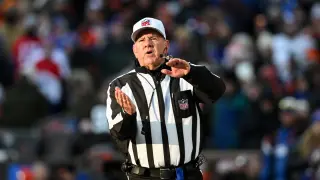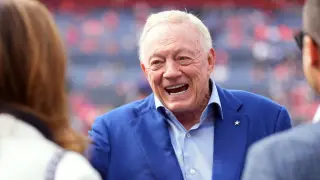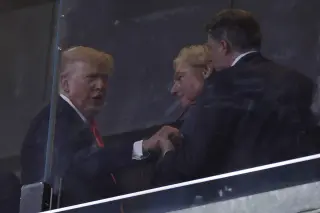
Jerry Jones attended the latest round of talks between the NFL and the NFL Referees Association; discussions were productive, with a looming deadline as negotiators weigh May 1 versus May 31 and the possibility of hiring replacement officials if no deal is reached.
NFL and the NFL Referees Association remain at a standstill in CBA negotiations, with the league offering a 6.7% pay bump vs the union’s 10.3% demand, a gap that translates to substantial dollars given officials’ roughly $350,000 average pay. Key sticking points include probationary training resources, the NFL’s push to waive the offseason dead period for probationary officials, and the broader question of making officiating a full-time, year-round profession. Proposals envision centralized headquarters, regular in-person reviews, VR training, and greater offseason involvement in rulemaking, funded by higher pay and relocation. While perfection in officiating is unlikely, advocates argue the move would improve game integrity despite costs; opponents question feasibility and expense. The dispute continues as both sides press their positions.
MLB owners push for a salary cap in a high-stakes, four-year labor dispute with the Players Association. Insiders warn that premature concessions could erode trust and leadership, as both sides brace for a prolonged fight that threatens to overshadow what could be a remarkable 2026 season.
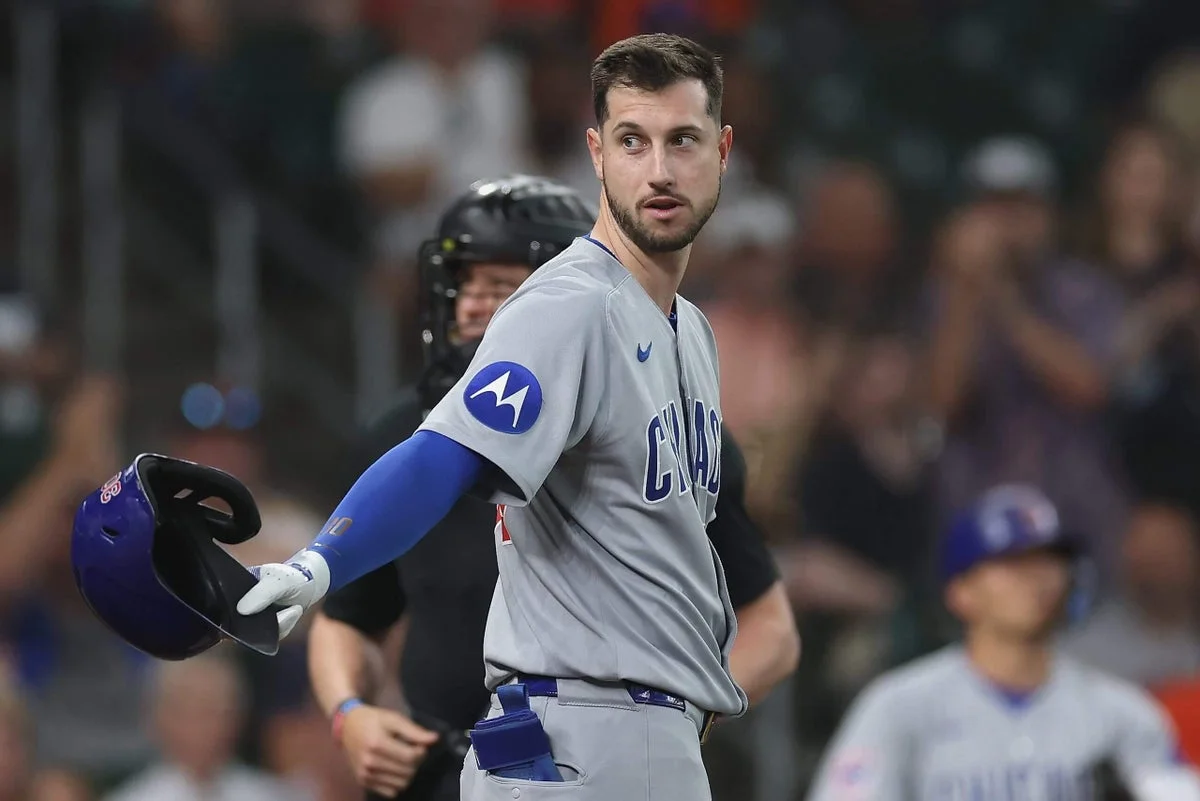
MLB owners, furious after Kyle Tucker’s $240 million deal with the Dodgers, are pressing to implement a salary cap with a floor and ceiling, a topic expected at the next owners meeting and likely to spark renewed labor talks with the players’ union.
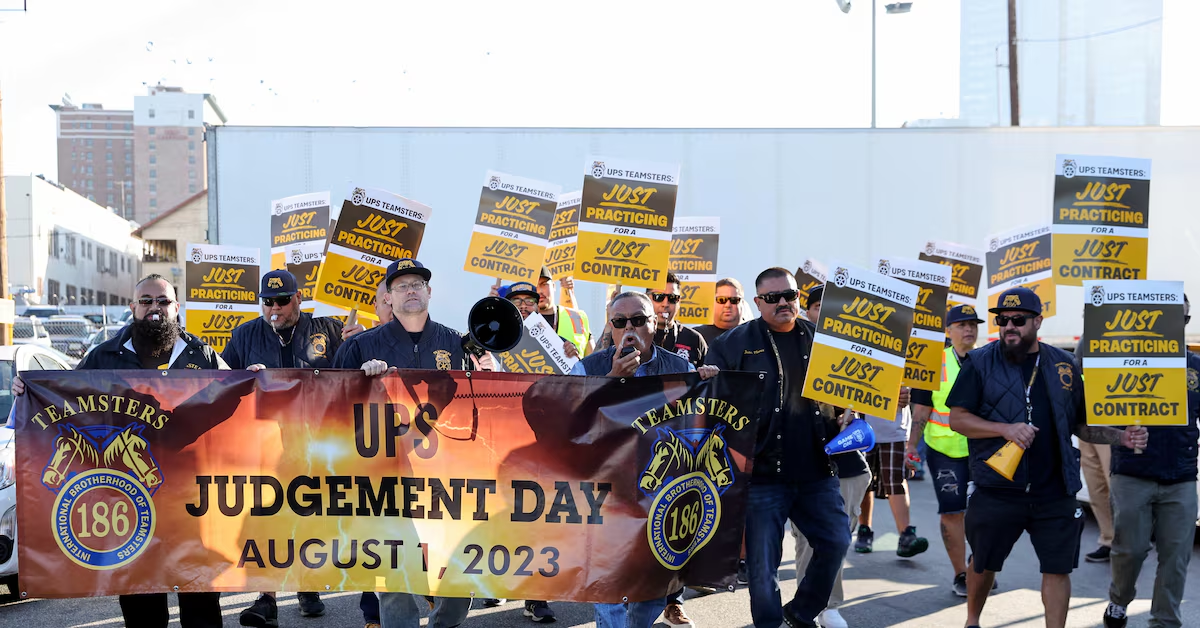
United Parcel Service (UPS) and the Teamsters union are set to resume labor talks on Tuesday in an effort to avoid a potential strike that could disrupt supply chains and harm the economy. The talks aim to finalize a fair deal that increases pay, creates more full-time jobs, and strengthens worker protections. While tentative agreements have been reached on certain issues, disagreements remain over pay increases for part-time workers. The current labor pact expires on July 31.
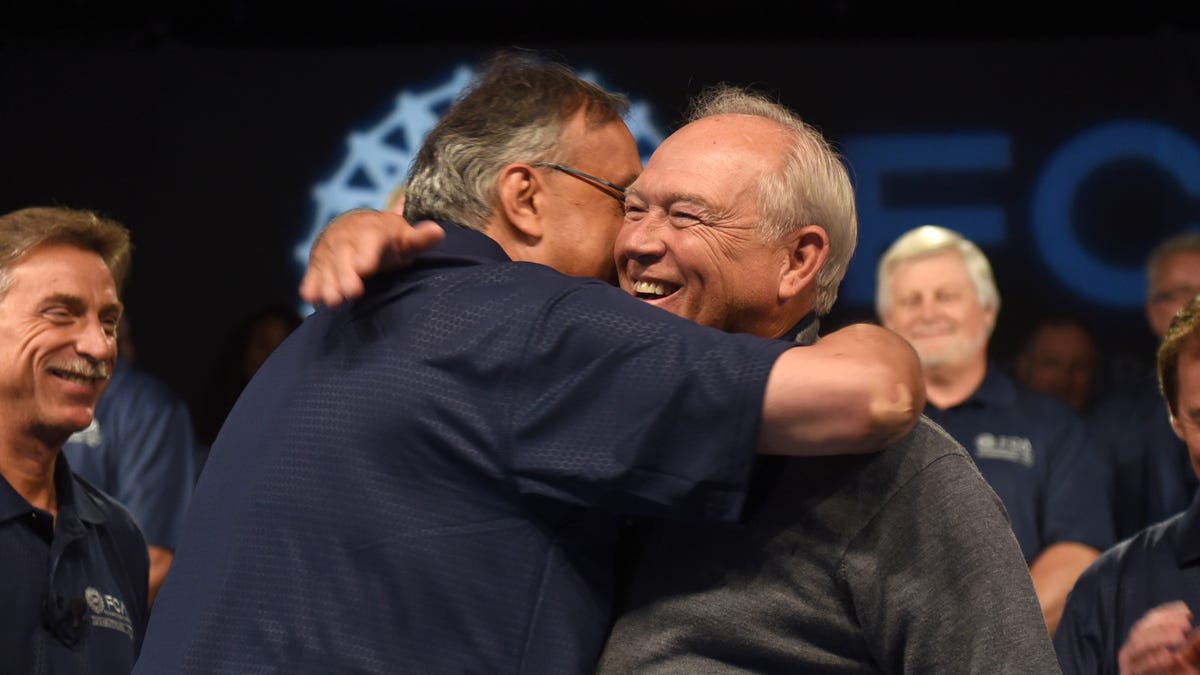
The United Auto Workers (UAW) will begin labor talks with Detroit's automakers without the usual handshake ceremonies, signaling a new approach by the UAW leadership. UAW President Shawn Fain has called the automakers the union's "enemies" and stated that he won't shake their hands until a deal is reached that reflects the needs of the workers. The negotiations will focus on demands such as restoring lost benefits, establishing cost-of-living adjustments, and setting tier-free wage scales. The automakers, on the other hand, want to ensure they have the cost structure to compete in the growing zero-emission transportation market.
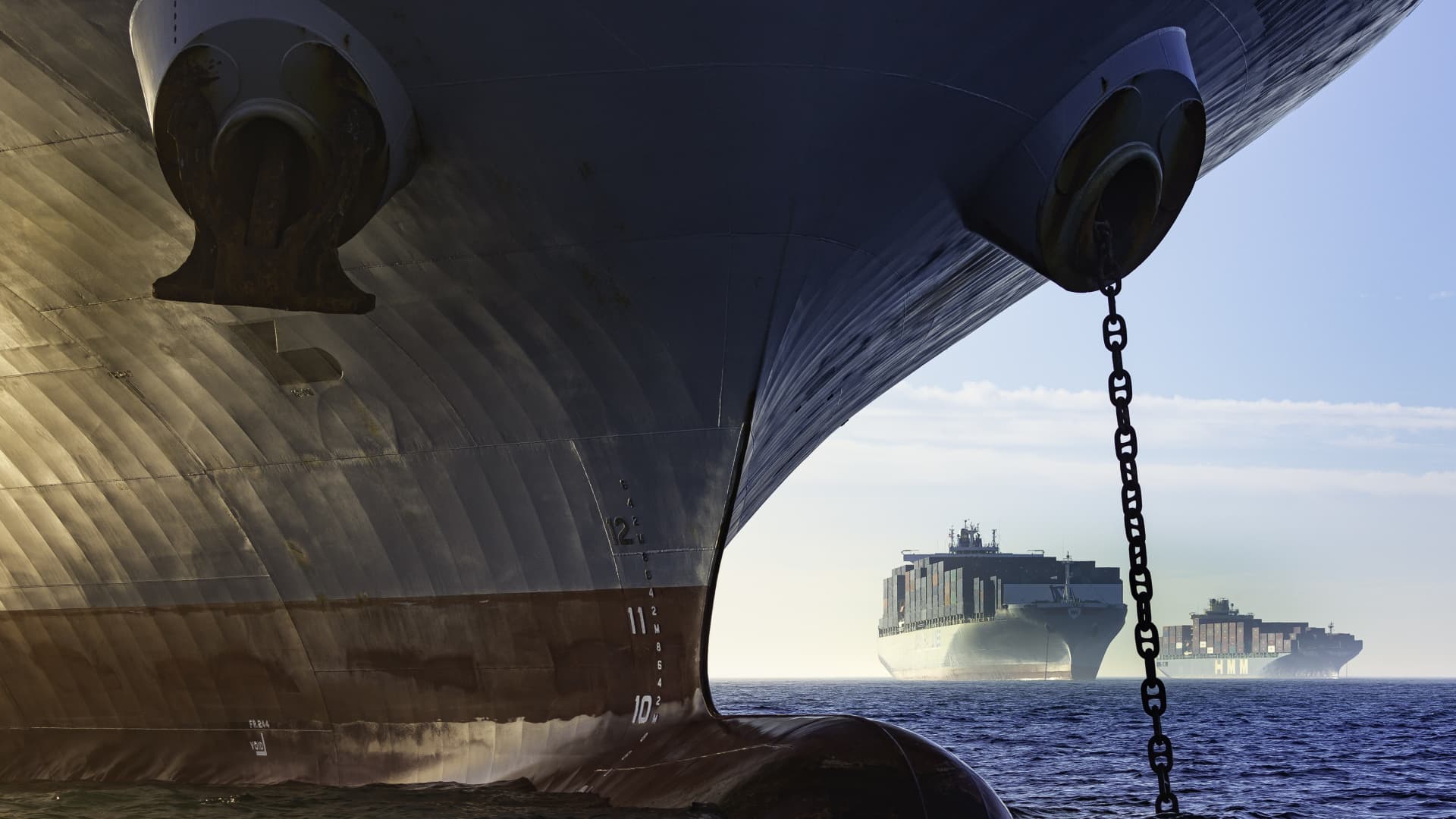
Labor talks between the International Longshore & Warehouse Union and Pacific Maritime Association have yet to reach a resolution, causing delays for container ships at West Coast ports. The lack of port productivity is impacting the movement of vessels in and out of dock, with truckers reporting that it takes three hours to get in and out of the port. The White House is monitoring the situation closely, and industry groups are urging the Biden administration to intervene. The sluggish pace of trade is hanging over labor discussions, and West Coast ports have lost share of trade to East Coast ports due to concerns among shippers about the labor situation.