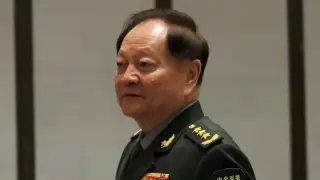
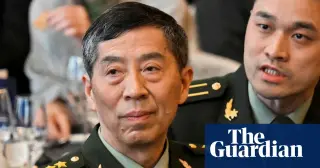
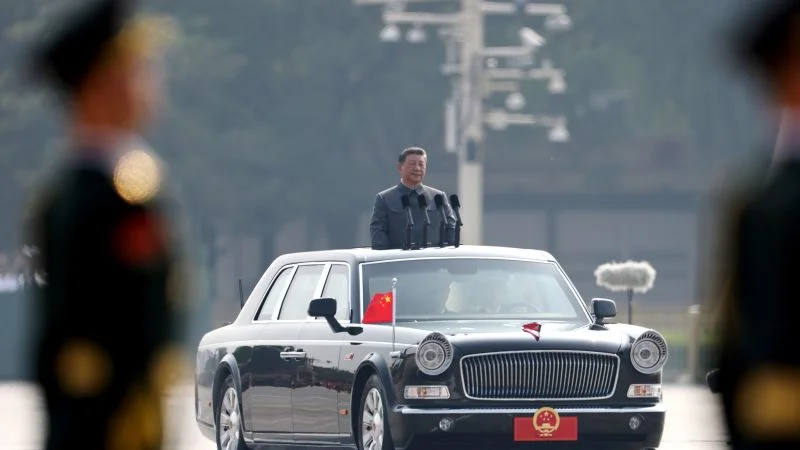
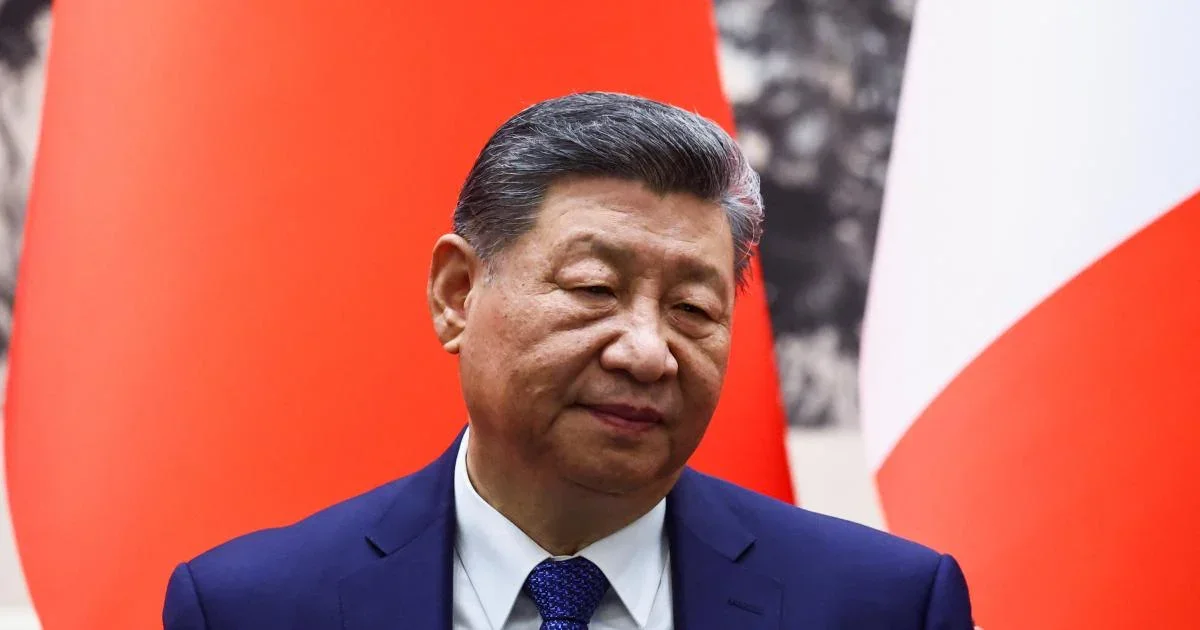
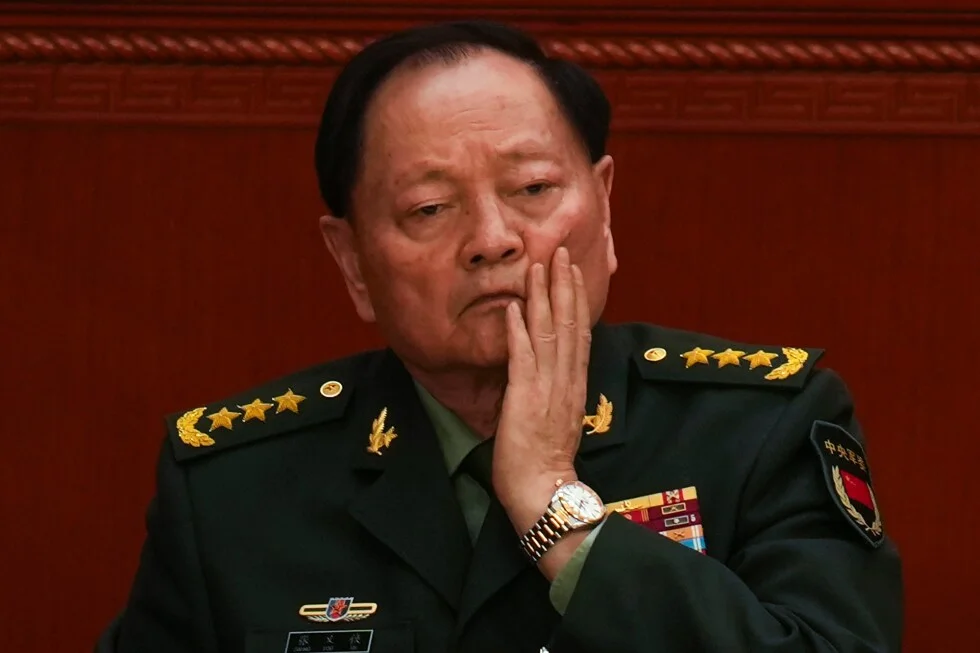
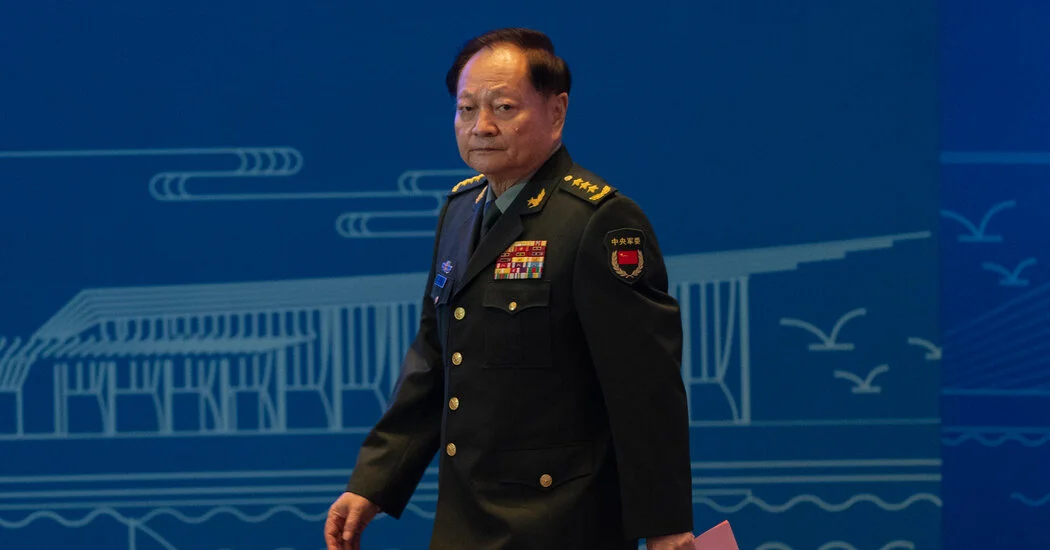
China’s Communist Party has expelled former Central Military Commission vice-chair Zhang Youxia and member Liu Zhenli, accusing them of forming factions and being disloyal. This move intensifies Xi Jinping’s military purge, leaving the command structure hollowed out just days before a high-stakes summit with US President Donald Trump.
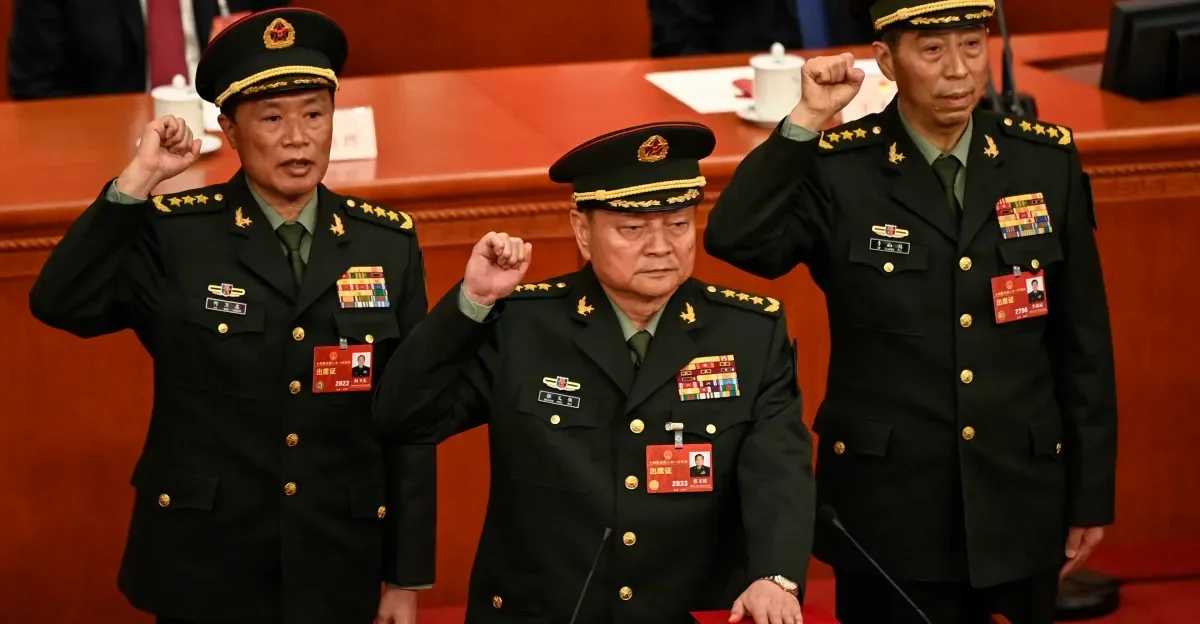
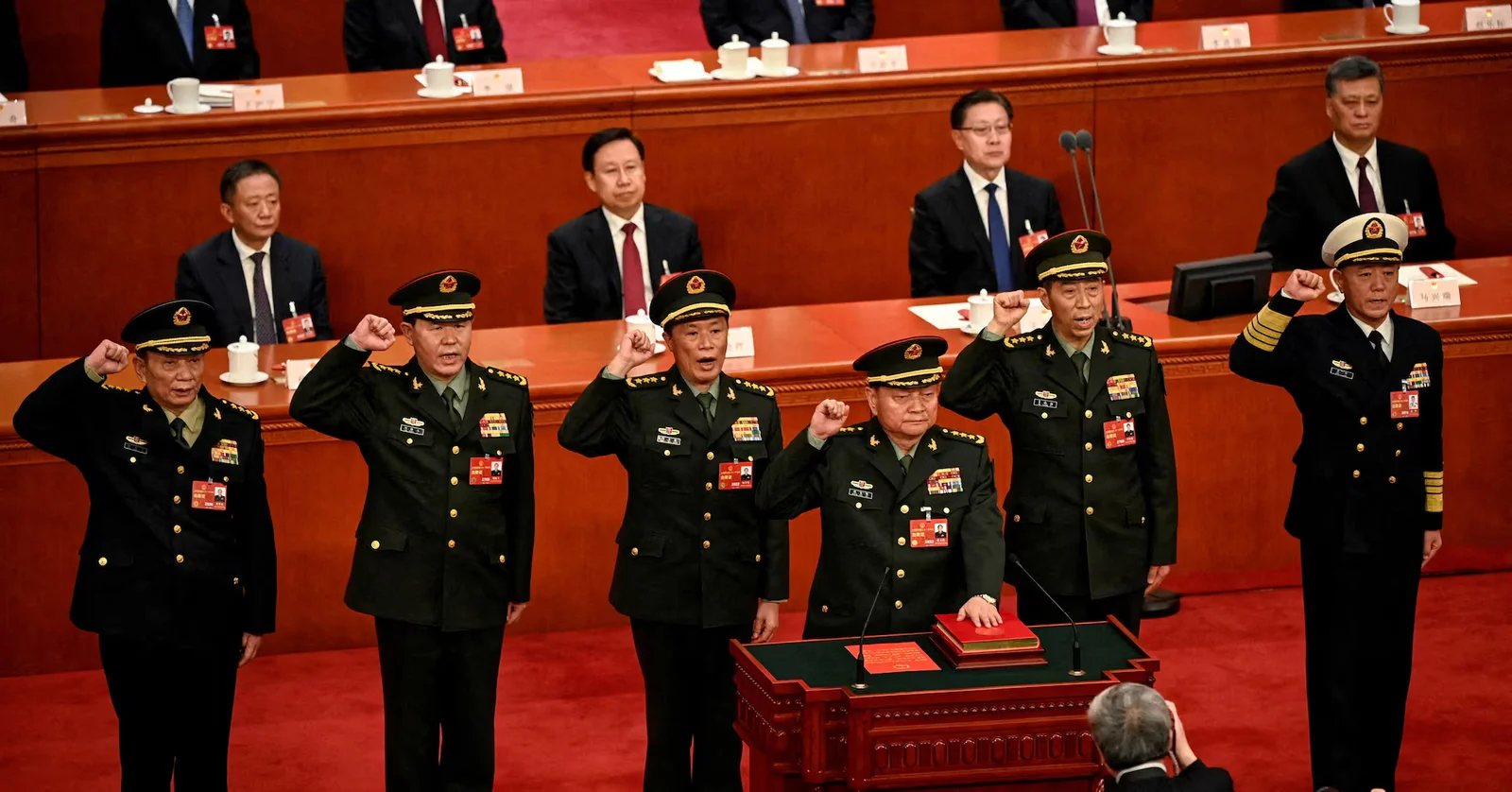
Two former defence ministers Li Shangfu and Wei Fenghe were sentenced to death with a two-year reprieve for bribery by a Chinese military court, with no parole and lifelong loss of political rights and assets; the sentences are expected to be commuted to life imprisonment for good behavior, highlighting Xi Jinping’s sweeping PLA anti-corruption crackdown that has purged hundreds of senior officers since 2022.
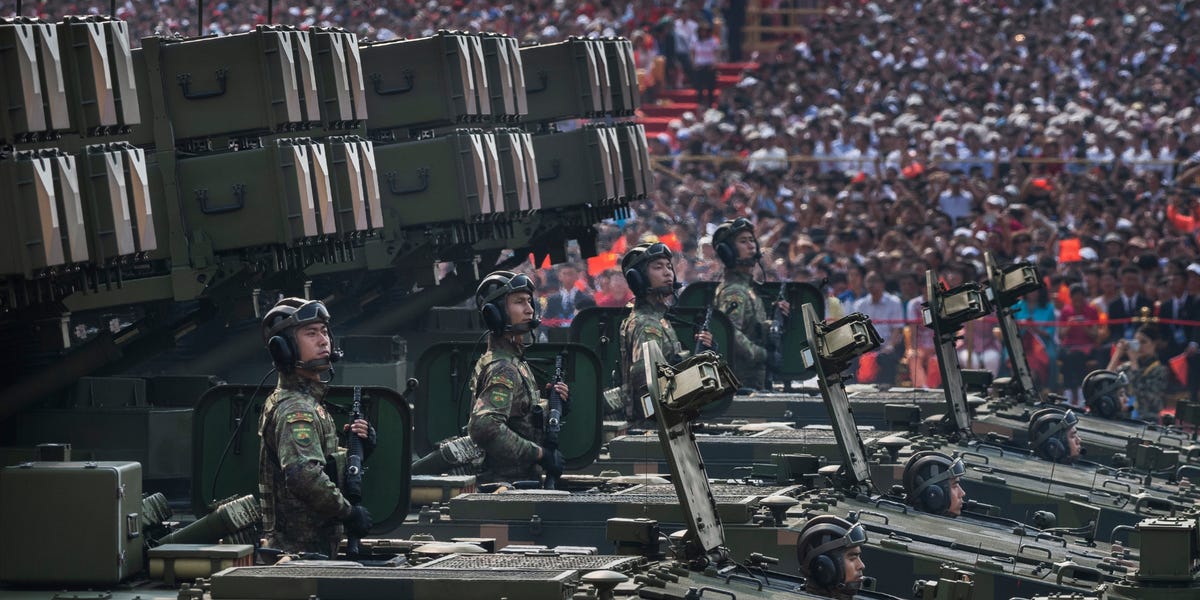
A CSIS report says Xi Jinping’s anti-corruption purge has touched the PLA’s upper ranks, with dozens purged since 2022 (36 generals and lieutenant generals officially; about 65 more missing or purged). In total, around half of the PLA’s top leadership positions have been affected, and 56 deputy theater commanders have been purged. Experts warn the purge could undermine readiness for complex operations, including a potential Taiwan invasion, as newer leaders may lack combat experience. Some see the purge as tightening Xi’s control and deterrence, but others caution it could hamper crisis management until the new leadership gains battlefield experience. The long-term impact depends on how quickly promoted officers gain necessary exposure and competence.
The Economist’s Chaguan argues that Xi Jinping’s opaque leadership is reviving Pekingology, as analysts look for clues in wording, imagery, and elite maneuvering to interpret a sweeping purge of China’s top military leadership and its implications for governance and readiness.
Chinese leader Xi Jinping orchestrated a dramatic purge of the PLA’s top leadership by removing Zhang Youxia from the Central Military Commission, signaling a ruthless consolidation of power and a plan to remake the military with tighter political control ahead of the next party congress; the move may lead to civilian appointees on the CMC and underscores Xi’s intent to ready the force for potential Taiwan contingencies while tightening his grip on China’s armed forces.
Foreign Affairs argues Xi Jinping’s sweeping purge of the PLA is a deliberate, multi-term effort to consolidate party control, purge corruption, and push the military to meet his ‘fight and win wars’ orders—aimed at deterring or preparing for potential action around Taiwan and the South China Sea by the end of the decade. Initiated at a CCP plenum and accelerated through 2023–2027, the drive centralizes authority in the Central Military Commission, dismantles rival networks, and contemplates new civilian oversight, signaling impatience with the PLA’s current performance without necessarily signaling immediate war. For U.S. policymakers, the chaos is a sign of Xi’s intensified ambition and a more capable Chinese military posture, demanding calibrated deterrence and engagement rather than assuming restraint.
Vox reports that Xi Jinping is purging senior PLA leaders, notably Zhang Youxia, to consolidate power. Analysts say the shake-up could remove obstacles to a Taiwan invasion by weakening internal military resistance, potentially altering the timeline for any conflict, though near-term moves are uncertain as Beijing reshuffles command and the U.S. stance remains ambiguous.
China announced investigations into Gen. Zhang Youxia and Gen. Liu Zhenli for suspected serious violations of discipline and law, triggering a rare purge that leaves Xi Jinping as chair of the Central Military Commission with only one other active member among six. Analysts see the moves as part of a broader anti-corruption effort to ensure loyalty to Xi, with potential short-term disruption to Taiwan-related planning but possible long-term strengthening of leadership; earlier expulsions and uncertain timelines for filling vacancies add to the unclear outlook for the PLA’s future.
China’s top military official, Zhang Youxia, has been placed under investigation for grave violations of discipline and the law—the most dramatic escalation yet in Xi Jinping’s purge of the PLA, with fellow CMC member Liu Zhenli also under inquiry and most of the 2022 appointees removed, leaving Xi and Zhang Shengmin as the remaining senior commanders.
China has dismissed nine top commanders in the People's Liberation Army as part of a major military purge, signaling a significant shake-up within the country's military leadership.
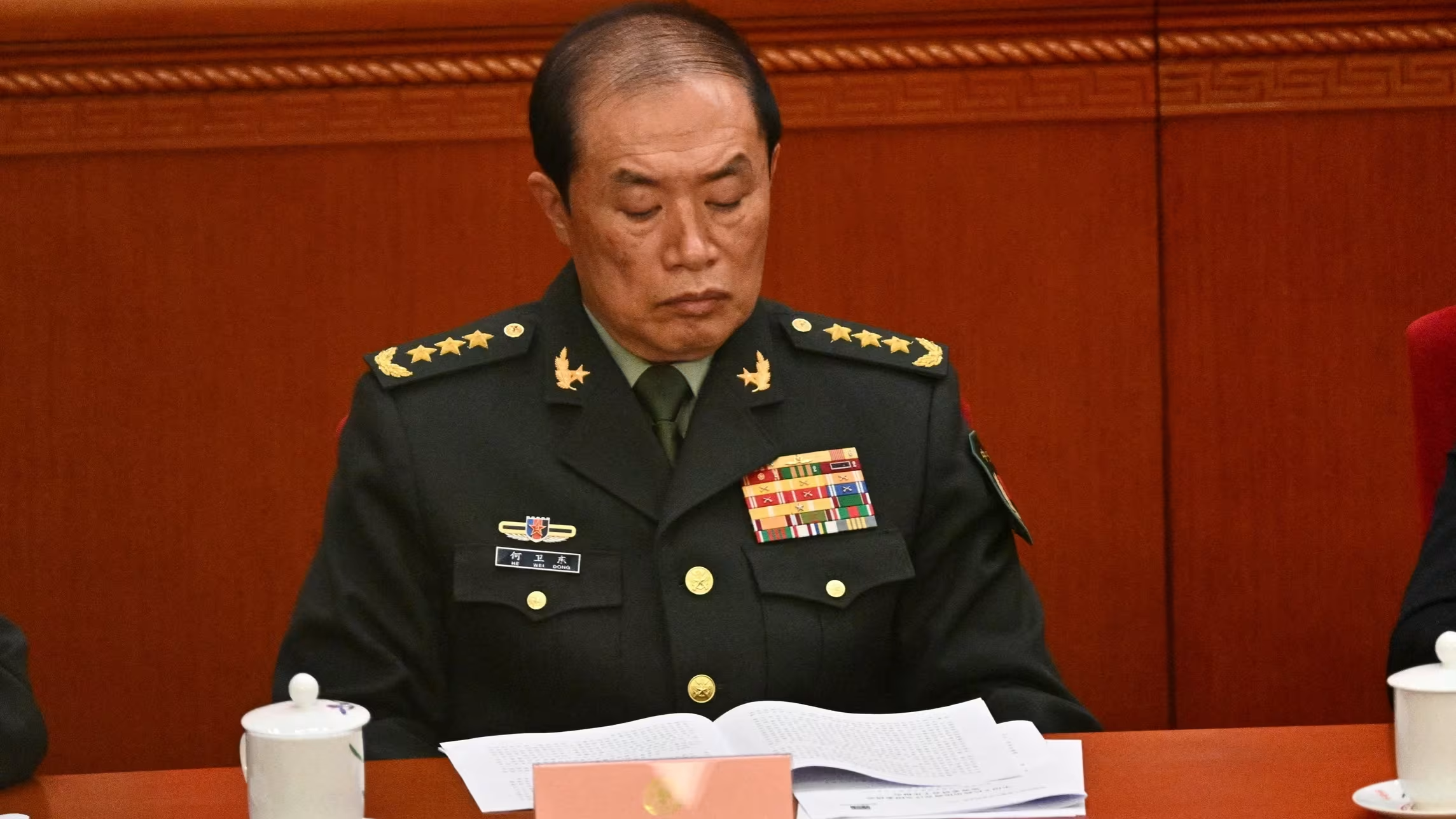
The Chinese Communist Party has expelled nine top military generals, including He Weidong, amid a large-scale anti-corruption and political purge, signaling a significant crackdown on military and political elites ahead of the party's upcoming plenum.
China has expelled two top military leaders, including the influential Vice Chairman of the Central Military Commission, Weidong He, and navy admiral Miao Hua, on corruption charges, marking the most senior officers purged in the ongoing anti-graft campaign. The move is seen as part of President Xi Jinping's broader effort to consolidate power and 'clean house' ahead of an important Communist Party meeting.
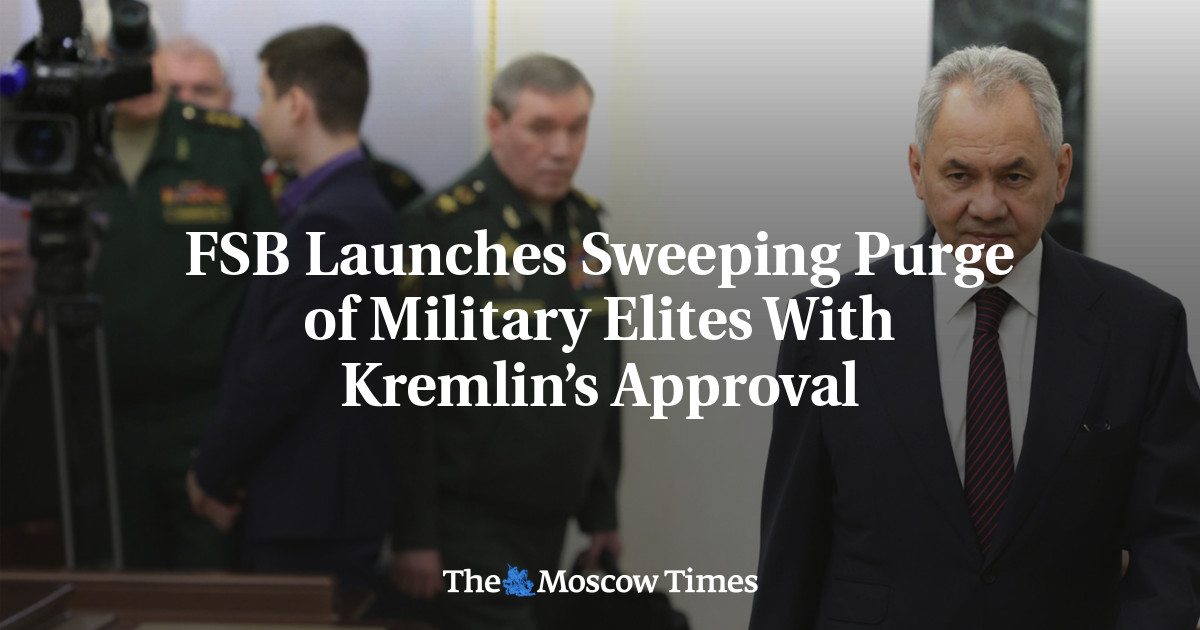
The FSB, with Kremlin approval, has begun a sweeping purge of Russian military elites, arresting top officers to root out corruption and blame them for the failed 2022 Ukraine invasion. This move, seen as a power struggle between the FSB and the Defense Ministry, risks destabilizing the military during a critical phase of the war. The campaign highlights the FSB's growing influence and control over military resources.
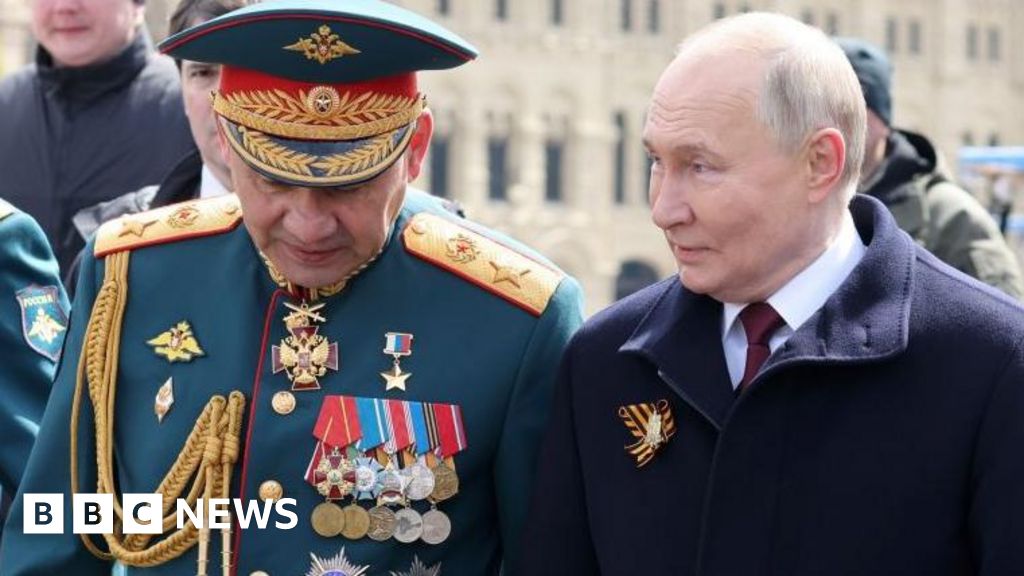
Russian President Vladimir Putin has initiated a significant purge within the military, arresting several high-ranking officials on corruption charges. This move follows the public criticism and failed mutiny led by Wagner Group's Yevgeny Prigozhin, who had accused military leaders of incompetence and corruption. The recent reshuffle, including the replacement of long-time Defence Minister Sergei Shoigu, aims to boost efficiency and tackle corruption within the Russian military.
US intelligence reports reveal that China's military purge, which saw the removal of over a dozen senior commanders, was prompted by serious equipment issues, including missiles filled with water instead of fuel and improperly sealed silo lids. This corruption scandal has impacted Xi Jinping's efforts to modernize the Rocket Force, China's main nuclear arm, and may affect Beijing's military capabilities. The purge, long speculated to be linked to Xi's anti-corruption campaign, has led to a renewed emphasis on combating graft within the People's Liberation Army.