
Judge Won’t Split Google’s Ad-Tech Empire
A federal judge declined to break up Google’s advertising technology business, instead endorsing behavioral remedies amid ongoing antitrust scrutiny of the tech giant and its dominance in online ad markets.

All articles tagged with #monopoly
A federal judge declined to break up Google’s advertising technology business, instead endorsing behavioral remedies amid ongoing antitrust scrutiny of the tech giant and its dominance in online ad markets.

The June 27, 2026 NYT Connections puzzle (#1112) solution groups are: Yellow = Monopoly squares (Boardwalk, Income Tax, Short Line, Water Works); Green = fashion-show components (catwalk, collection, designer, model); Blue = commonly striped items (barber pole, billiard ball, credit card, crosswalk); Purple = endings in horse gaits (decanter, envelope, firewalk, foxtrot). The piece also includes hints, strategies and notes on the NYT Connections bot and Times Games progress tracking.

Netflix’s head of unscripted, Jeff Gaspin, is leaving the streamer to move into producer duties; the departure, announced to colleagues and effective July 1, comes without a direct replacement and will see him shepherding upcoming titles like Monopoly and other formats while continuing to work with the team in a producing capacity.
Following a jury ruling that Live Nation illegally monopolized the live-music market, a coalition of states asks a federal judge to impose structural remedies, including divesting Ticketmaster and selling large venues, to restore competition. They also seek future-merger restrictions and damages, while Live Nation opposes a breakup and says changes previously agreed with the DOJ should suffice.
A Washington federal class-action accuses Lucky Strike Entertainment (formerly Bowlero) of building an illegal bowling monopoly through aggressive acquisitions, commanding about 35% of U.S. bowling revenue and 350+ centers, driving up prices and degrading quality; the suit seeks to unwind acquisitions and damages, while Lucky Strike says the claims are meritless and that it has expanded opportunities for the sport.
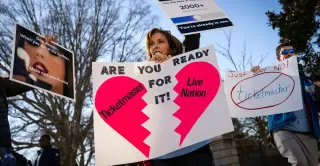
A New York federal jury ruled Live Nation to be an illegal monopoly, potentially forcing penalties or divestitures that could loosen its dominance in promotion, venues, and ticketing over time; but ticket prices are unlikely to drop immediately since penalties haven’t been set and an appeal is likely, and broader demand dynamics will continue shaping prices.

Renowned antitrust lawyer Jeffrey Kessler led a states’ team to a landmark verdict finding Live Nation and Ticketmaster operated as a monopoly after the DOJ settled early in the case. With just eight days to prep, Kessler adapted the DOJ plan, using witness testimony and key internal documents (including incriminating Slack chats) to present a clear monopolization story to the jury. The ruling, described by Kessler as a ‘total victory,’ could lead to remedies hearings and Tunney Act review, and Live Nation plans an appeal, meaning the case may continue for years and reshape the live-entertainment landscape for fans, venues, and competitors.
A New York federal jury ruled that Live Nation and its Ticketmaster unit engaged in an anticompetitive monopoly over major U.S. concert venues, potentially leading to penalties and divestitures. The verdict also notes fans were overcharged by $1.72 per ticket in 22 states and could trigger a remedies phase with possible structural changes, following a DOJ/state lawsuit that challenged the companies’ dominance.

A federal jury found Live Nation and Ticketmaster illegally monopolize ticketing at major venues and overcharge fans, with about $1.72 per ticket in excess fees identified across 22 states. Damages and other remedies will be decided in a separate proceeding, and while a six-state settlement offered up to $280 million in penalties, 33 states continued pursuing broader antitrust remedies, including possible structural changes such as a breakup. Live Nation says it will appeal and notes the verdict covers only a subset of tickets and venues.
A Manhattan federal jury ruled that Live Nation Entertainment and its Ticketmaster subsidiary maintained a harmful monopoly over large concert venues, accusing them of using market power to stifle competition and overcharge fans—about $1.72 per ticket—with total damages to be determined. Live Nation plans to appeal, and the trial followed a government-led action with a separate DOJ settlement that did not force a split from Ticketmaster. The case spotlighted long-standing fan and artist concerns about fees and access to ticketing.
A Manhattan federal jury ruled that Live Nation and its Ticketmaster unit engaged in an anticompetitive monopoly over large concert venues, potentially triggering penalties, remedies, and possible divestitures after a multi-state lawsuit that scrutinized pricing and market control in live entertainment.

A Manhattan federal jury concluded that Live Nation and its Ticketmaster subsidiary illegally monopolized the U.S. ticketing market, finding anticompetitive conduct that led to higher fees for fans at major venues (about $1.72 per ticket). Remedies will be decided by a judge, and the case follows a DOJ settlement with divestitures and fee caps that was not fully embraced by many states pursuing their own claims.
A New York jury ruled that Ticketmaster and Live Nation engaged in an anticompetitive monopoly over large concert venues, a landmark decision that underscores concerns about consolidation in the live-entertainment industry and could reshape how venues and ticketing are structured.
A Manhattan jury is closing in on a verdict in the multi-state antitrust case against Live Nation-Ticketmaster, with prosecutors arguing the company maintained monopoly power through coercive venue deals and inflated ticketing charges, while Live Nation defends its product and contends fierce competition exists; a ruling for the states could trigger sweeping industry changes, including potential breakup, though appeals are likely.
A Trump-era Department of Justice settlement in a long-running antitrust case against Live Nation Entertainment keeps the Live Nation-Ticketmaster merger intact, preserving a near-total monopoly on live-event ticketing while delivering only limited penalties; the outcome follows years of regulatory pressure and public backlash sparked by the Taylor Swift Eras Tour fiasco.