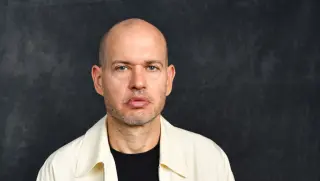
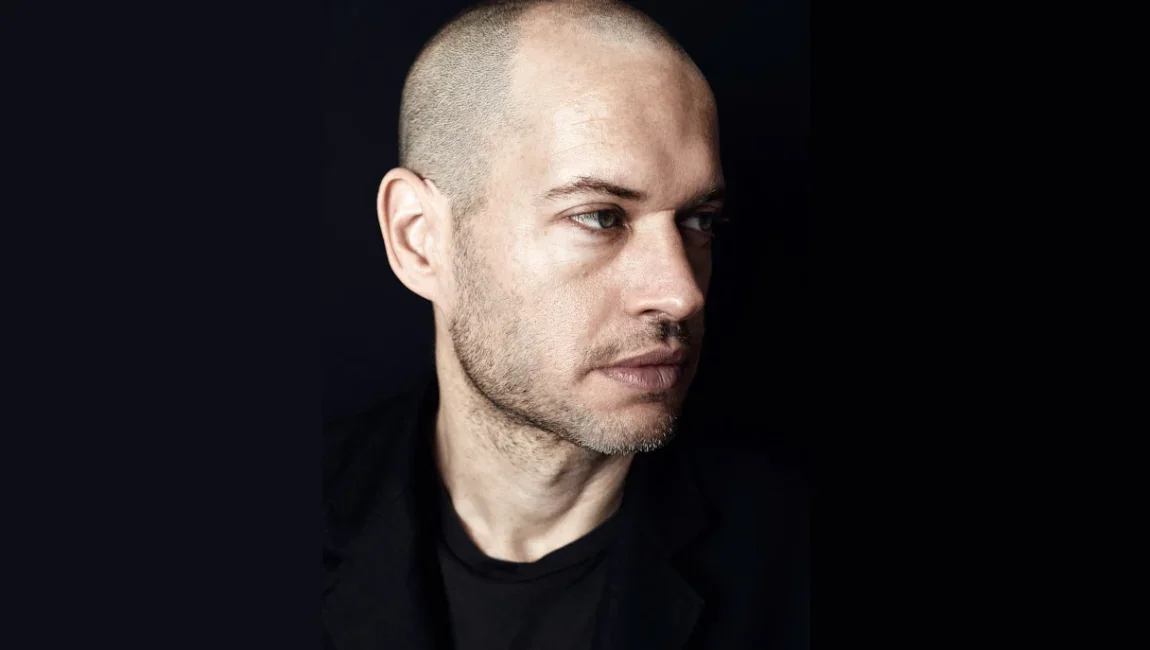
Natalie Portman, French directors Justine Triet and Jacques Audiard publicly defend Israeli filmmaker Nadav Lapid, calling the cultural boycott against him an intellectual failure and urging continued artistic freedom in cinema.
Israeli director Nadav Lapid pulled out of the Marseille Film Festival jury after several filmmakers planned to withdraw their films in protest of his presence as part of an Israeli cultural boycott. The festival criticized the move, while hundreds of French filmmakers signed a Le Monde open letter in support of Lapid, which he later endorsed to AFP. Lapid’s recent satire Yes (2025) and its Israeli Film Fund ties have fed the debate surrounding the boycott.
More than 350 film-industry figures, including Natalie Portman and Justine Triet, signed an open letter in Le Monde defending Israeli director Nadav Lapid against a cultural boycott and intimidation campaign tied to his festival involvement. The letter argues inviting a filmmaker is about the work, not state representation, and denounces attempts to silence debate as several filmmakers withdrew from Marseille’s festival. Lapid said he would withdraw to ease the festival’s difficulties but warned of a broader chilling effect on cultural institutions and reaffirmed support for political sanctions against Israel.
Natalie Portman, Justine Triet, and Jacques Audiard joined an open letter opposing the cultural boycott of Israeli director Nadav Lapid, who faced pressure from pro‑Palestinian filmmakers and withdrew from Marseille festival jury duties; the signatories, including over 350 French film industry figures, say dissident artists should not be punished for governments’ actions and the boycott is an intellectual failure.
In this interview about Yes, Nadav Lapid argues that art must portray the perpetrators’ perspective to reveal the moral rot behind Israel’s violence, using Tel Aviv as a liberal bubble near Gaza. He outlines the film’s premise—Y, a musician, is hired to compose a national anthem after October 7 by a Russian billionaire and the government—as a vehicle to expose how so‑called “good Israelis” can enable genocide. Lapid also reflects on the responsibility of Israeli filmmakers, the danger of reductive anger, and the hope that art can illuminate truth amid crisis.