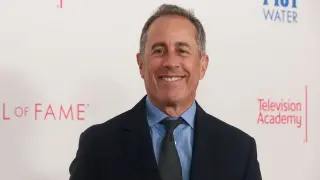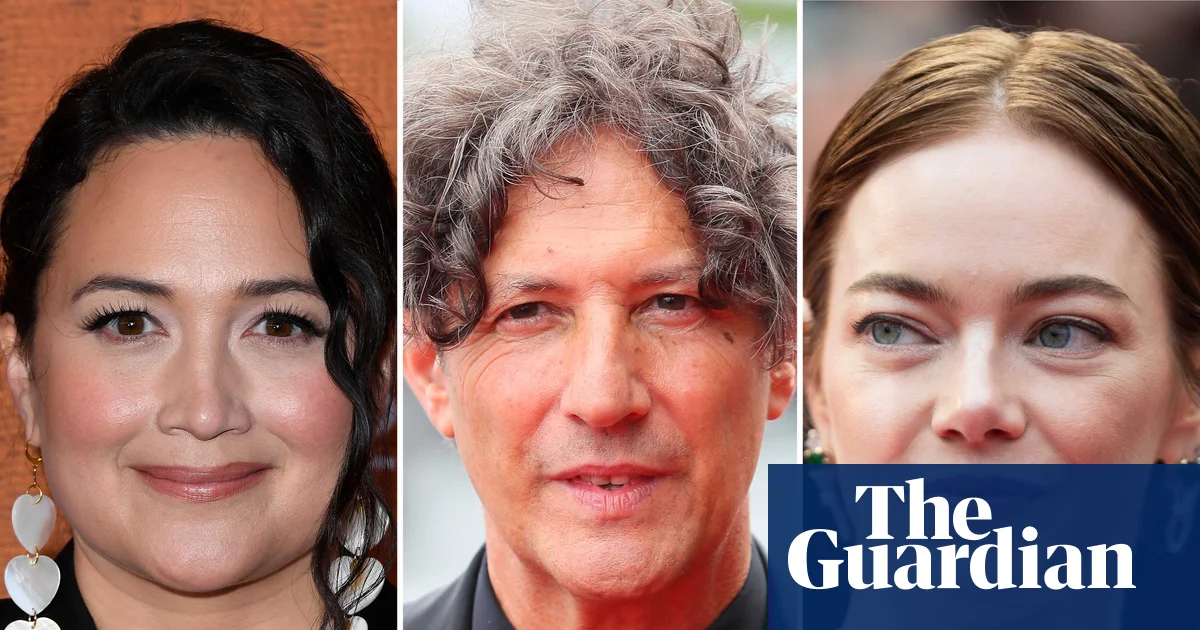
Natalie Portman, French directors Justine Triet and Jacques Audiard publicly defend Israeli filmmaker Nadav Lapid, calling the cultural boycott against him an intellectual failure and urging continued artistic freedom in cinema.
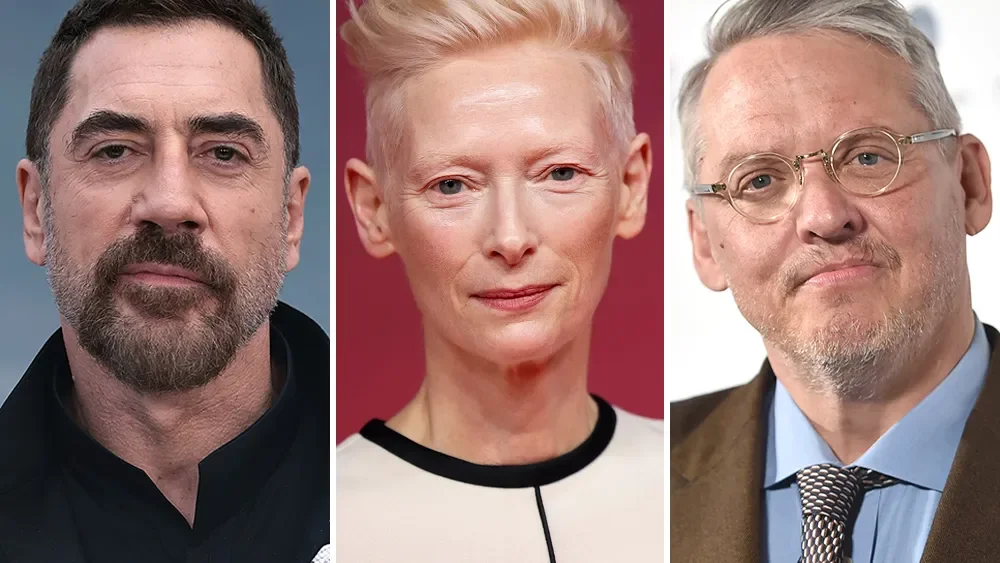
More than 80 current and former Berlinale participants sign an open letter condemning the festival for silence on Gaza and censoring artists who spoke out, urging Berlinale to oppose Israel’s actions and defend free speech. Signatories include Tilda Swinton, Javier Bardem, Adam McKay, Mike Leigh, Nan Goldin and others, arguing that filmmaking cannot be separated from politics. The letter situates Berlinale within a growing movement of festivals and industry workers supporting a cultural boycott of Israel and calls for the festival to publicly condemn what it calls genocide and crimes against Palestinians.
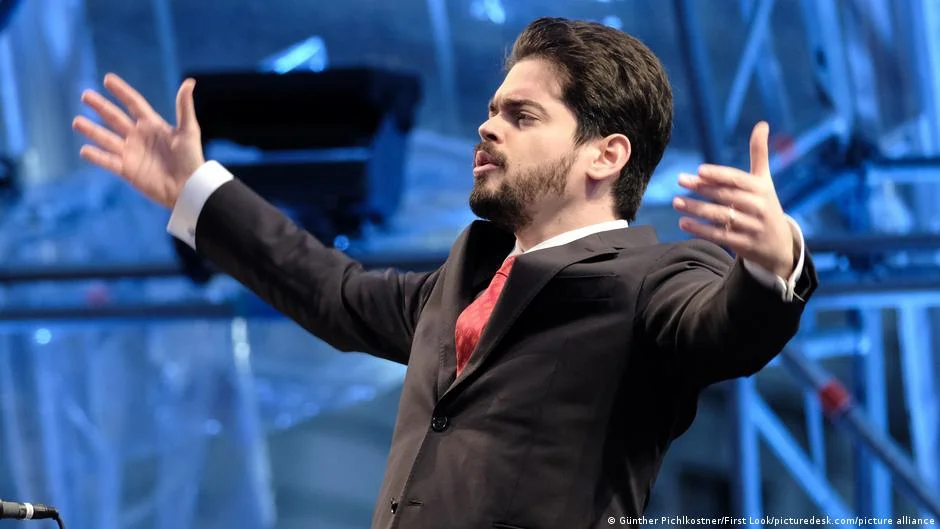
The Flanders Festival Ghent canceled a performance by the Munich Philharmonic with Israeli conductor Lahav Shani, citing concerns over his attitude towards the Israeli government, which the organizers labeled as a 'genocidal regime.' German Culture Minister Wolfram Weimer condemned the decision as antisemitic and a dangerous precedent, affirming support for the orchestra and Shani, and criticizing the festival for what he called a cultural boycott and attack on European values.
Representatives of the Israeli film industry oppose a global boycott pledge by some filmmakers criticizing Israeli policies towards Palestinians, arguing it harms dialogue and artistic expression, and emphasizing their work's role in fostering understanding and peace.
Hundreds of film industry professionals have signed a pledge to boycott Israeli film institutions they consider complicit in genocide and apartheid against Palestinians, inspired by the anti-apartheid movement in South Africa, aiming to address industry complicity in the Gaza crisis.
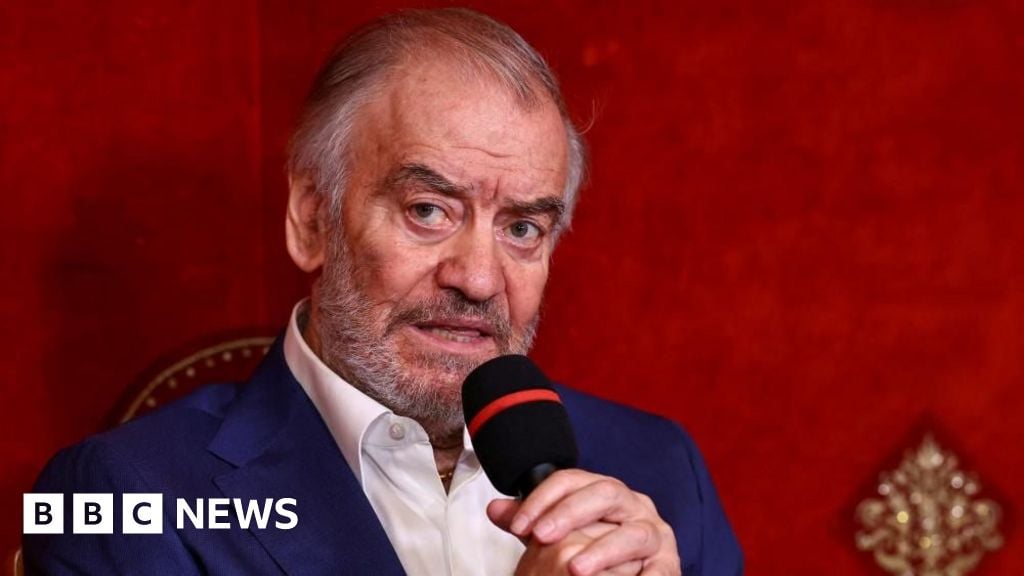
A planned concert by Russian conductor Valery Gergiev in Italy was canceled amid criticism due to his support for Putin and Russia's invasion of Ukraine, reflecting broader Western cultural sanctions and protests against Russian political actions.
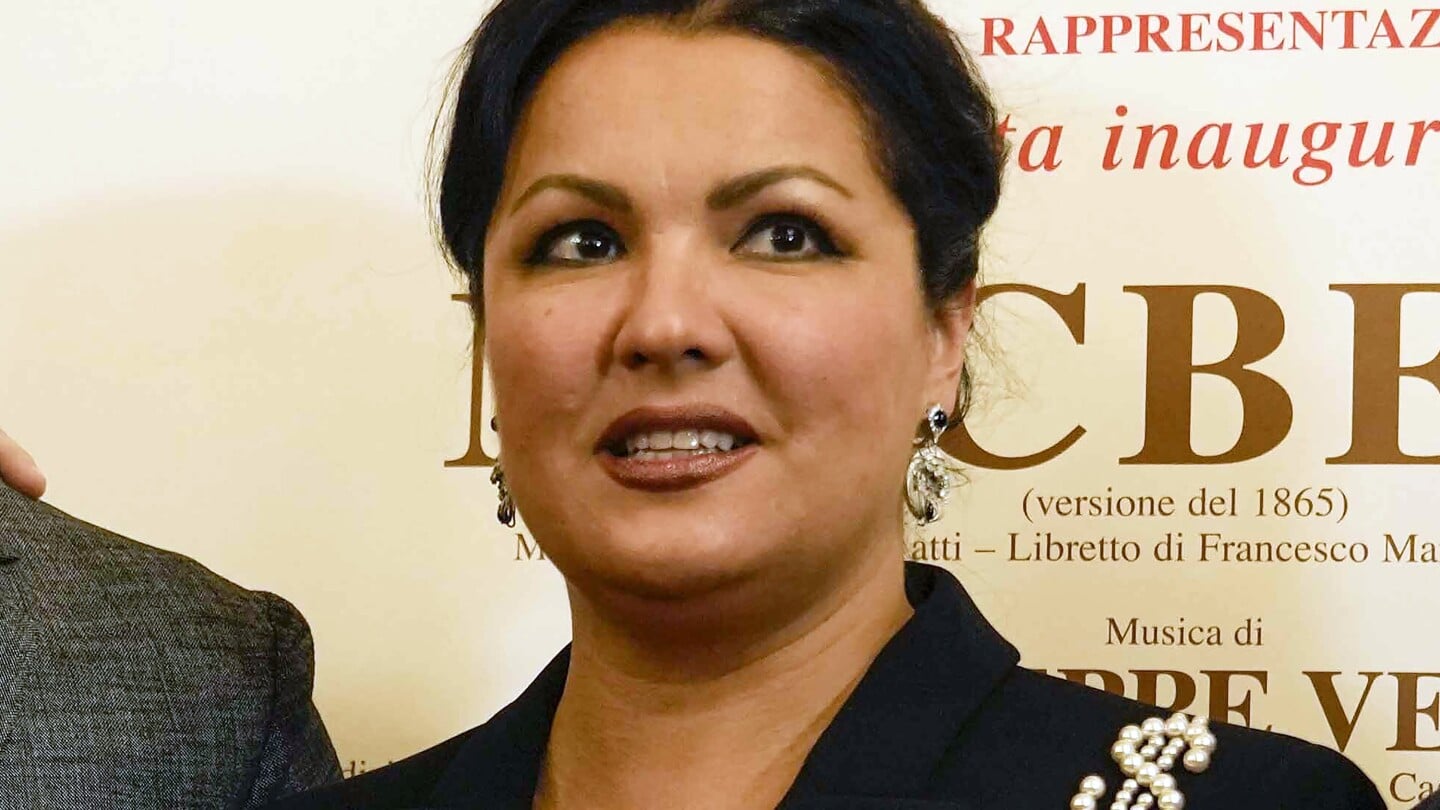
The local government in Prague, Czech Republic, has expressed strong opposition to a scheduled performance by Russian opera singer Anna Netrebko in the city, citing insensitivity due to Russia's ongoing war with Ukraine. The governing coalition in Prague, which includes the same political parties as the Czech government, shares this view. However, the final decision rests with the management of the venue, Prague's Municipal House, and it may be challenging to find legal grounds to cancel Netrebko's contract. Netrebko has faced controversy in the past for her support of Russian President Vladimir Putin.