
Tag

Nsidc

All articles tagged with #nsidc

Arctic Sea Ice Hits 2026 Minimum, Tying Decade-Old Low
climate16 days ago

Arctic Sea Ice Hits 2026 Minimum, Tying Decade-Old Low

Arctic sea ice reached its annual minimum extent on September 12, 2026, covering 4.6 million square kilometers. This figure ties 2008, 2010, and 2025 for the 10th-lowest recorded minimum since satellite observations began in 1978. While the extent has plateaued in recent years due to increased cloud cover, it remains significantly lower than historical averages, with the last 20 years accounting for the 20 lowest minimums on record.
Arctic Winter Sea Ice Nears Record-Low Max as Global Heat Pushes Extreme Records
environment6 months ago

Arctic Winter Sea Ice Nears Record-Low Max as Global Heat Pushes Extreme Records

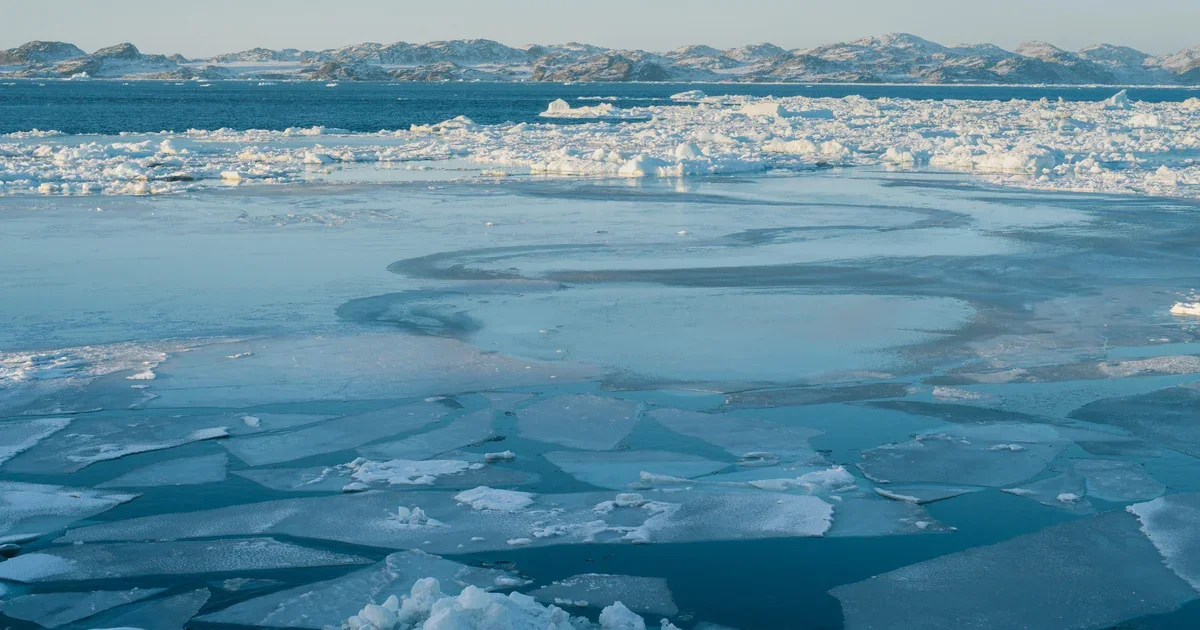
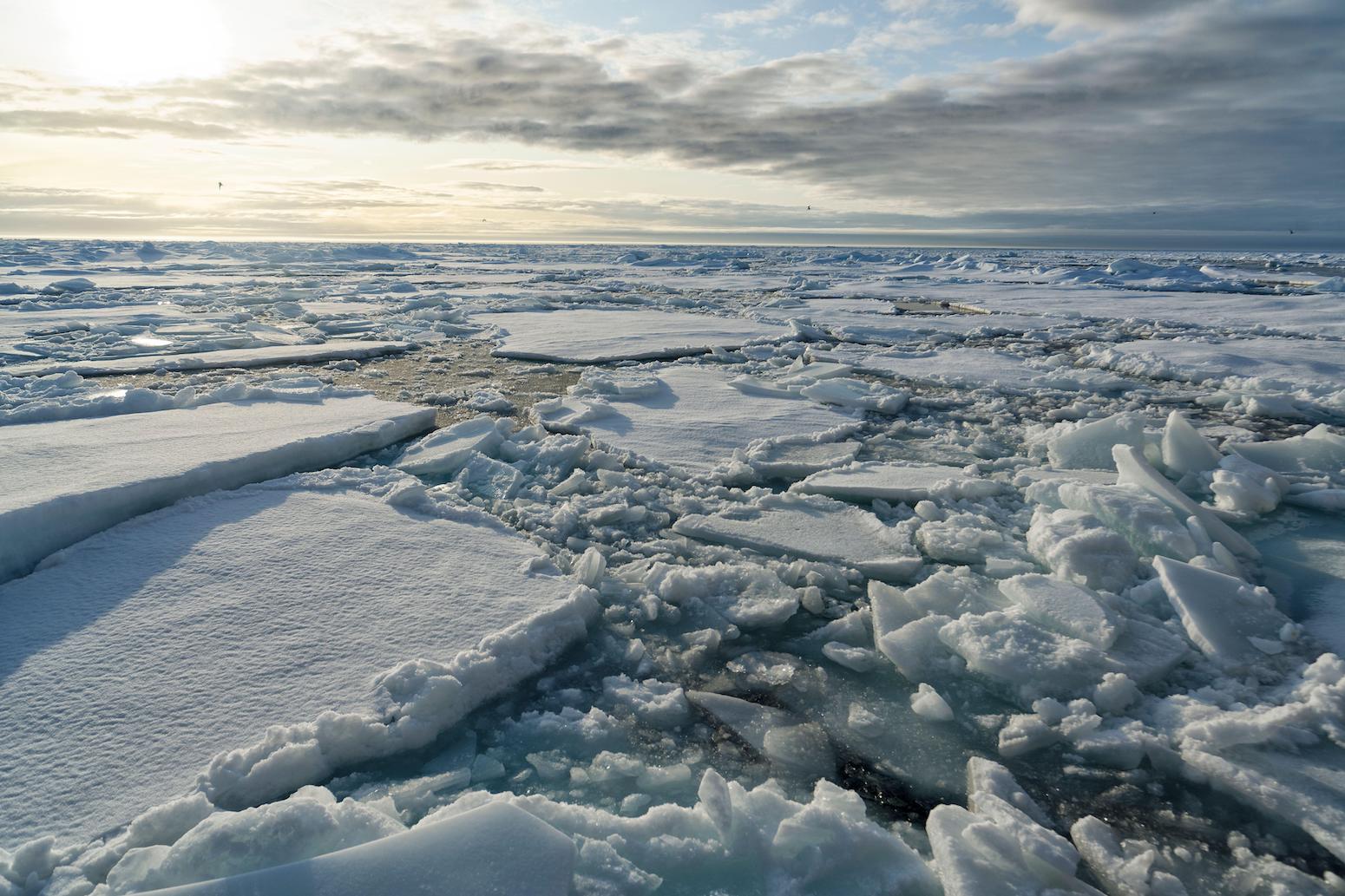
Arctic sea ice reached its lowest winter maximum on record, essentially tying last year at about 5.52 million square miles; this diminished winter growth could hasten the summer melt, influencing climate patterns, shipping routes, and wildlife. Meanwhile, March heat records broke across the U.S., Mexico, Australia, Northern Africa, and Northern Europe, with Antarctica logging a record-cold day, underscoring a planet-wide pattern of extreme temperatures tied to warming.

"Unprecedented Changes in Arctic and Antarctic Sea Ice: Implications for Global Climate"
environment2 years ago

"Unprecedented Changes in Arctic and Antarctic Sea Ice: Implications for Global Climate"

Antarctic sea ice has been at near-record-low levels for months, with the 2024 minimum extent tying with 2022 for the second-lowest in the 46-year satellite record. The director of the US National Snow and Ice Data Centre (NSIDC) suggests that more warm ocean water reaching the surface may be affecting the sea ice, leading to a potential "new regime" in the Antarctic. Meanwhile, Arctic sea ice reached its maximum extent for the year, peaking at 15.01m square kilometres on 14 March, which was 640,000km2 smaller than the 1981-2010 average maximum. Despite this, the relatively high winter peak is a reminder of the need to account for weather variability when discussing Arctic climate change.