
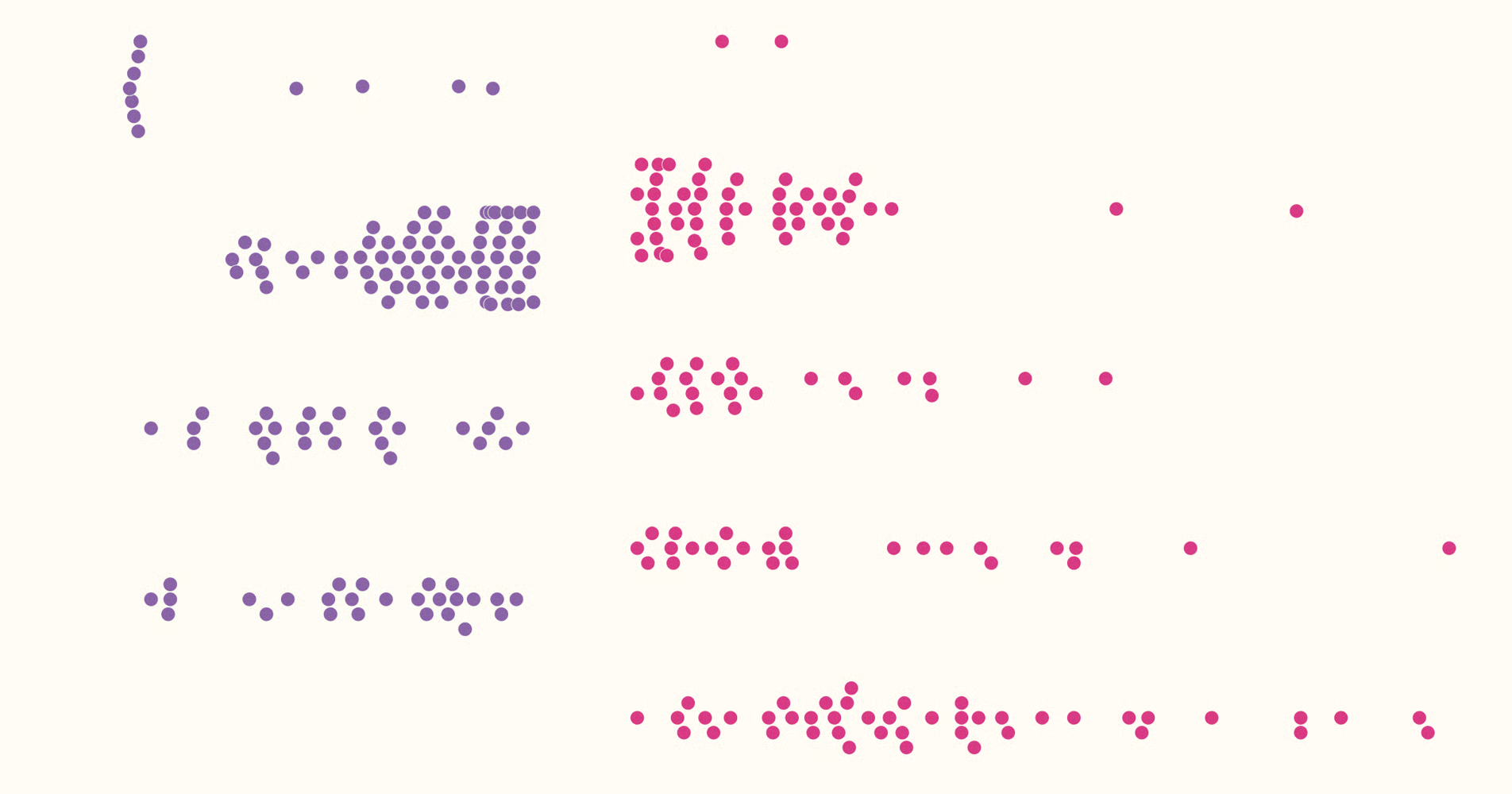
Organic farming often greener per hectare but demands more land, complicating climate goals
Organic farming tends to lower ecotoxicity and can boost biodiversity on a per-field basis, but it generally requires more land and yields less, so its advantages for climate and water pollution fade when measured per kilogram of food. The overall picture is nuanced: organic is better per hectare for some impacts, while conventional farming is more land-efficient and may be better for feeding the world unless diets shift toward less land-intensive foods. Diet and location matter far more than organic status for reducing global environmental footprints.