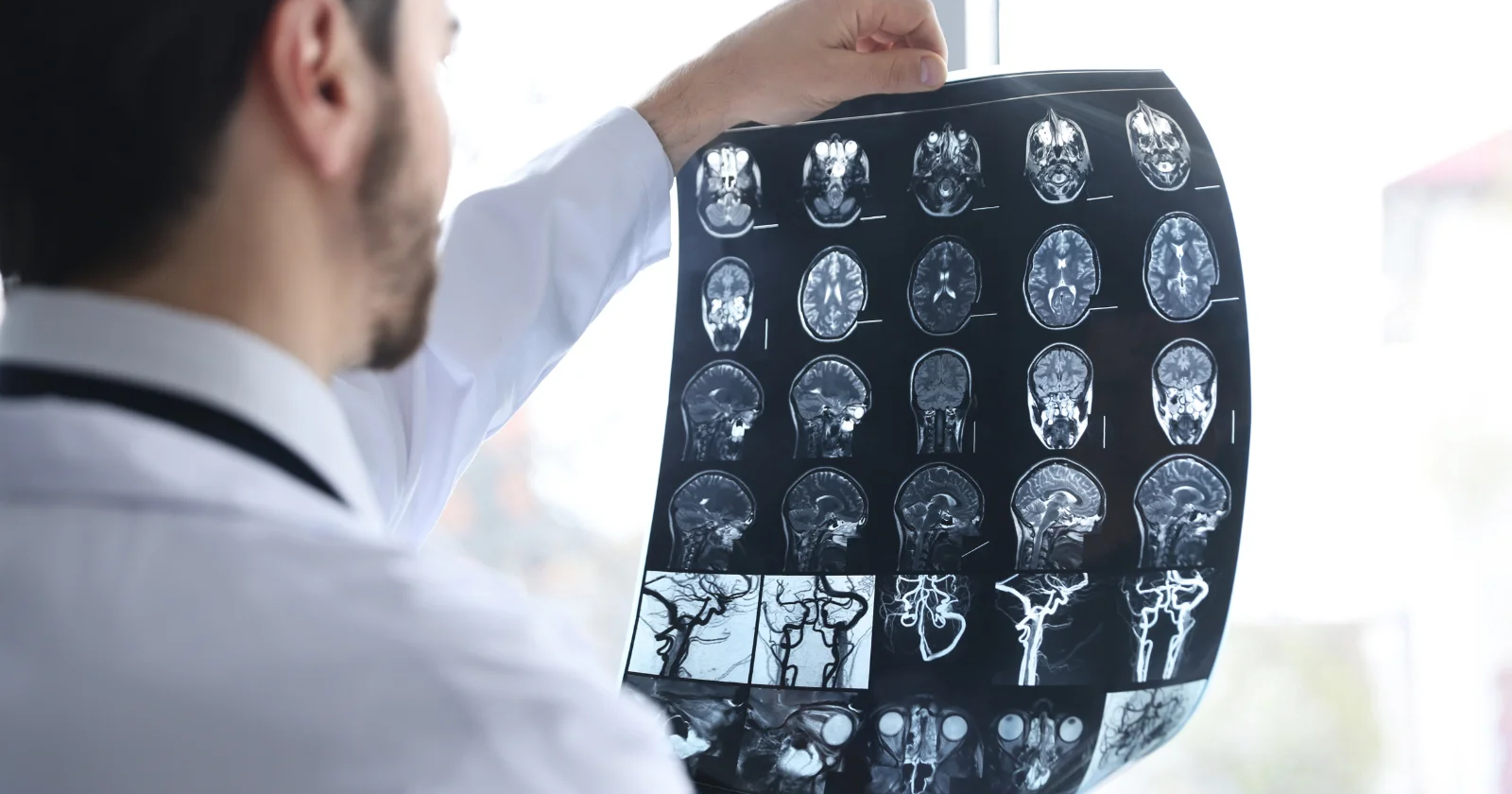
Fatherhood triggers rapid brain reorganization, study finds
A longitudinal MRI study of 25 first-time fathers shows early widespread gray matter reductions in areas tied to sensory processing, self-referential thinking, and social cognition during the first six weeks after birth, followed by later increases in frontal and cerebellar regions related to planning and emotional control. Functional connectivity also shifts, weakening links to sensory regions and strengthening those related to emotion and cognitive control. Researchers identify weeks six to nine as a critical window for paternal neuroplasticity, indicating that the brain’s reorganization is a real biological feature of early fatherhood, not just a social adjustment.